Trump’s NATO Air Force One Switch: Iranian Threat Exposed, NYT Reports
A previously undisclosed Iranian threat reportedly compelled then-President Trump to switch planes at a pivotal NATO summit, exposing a hidden layer of escalation in US-Iran tensions.
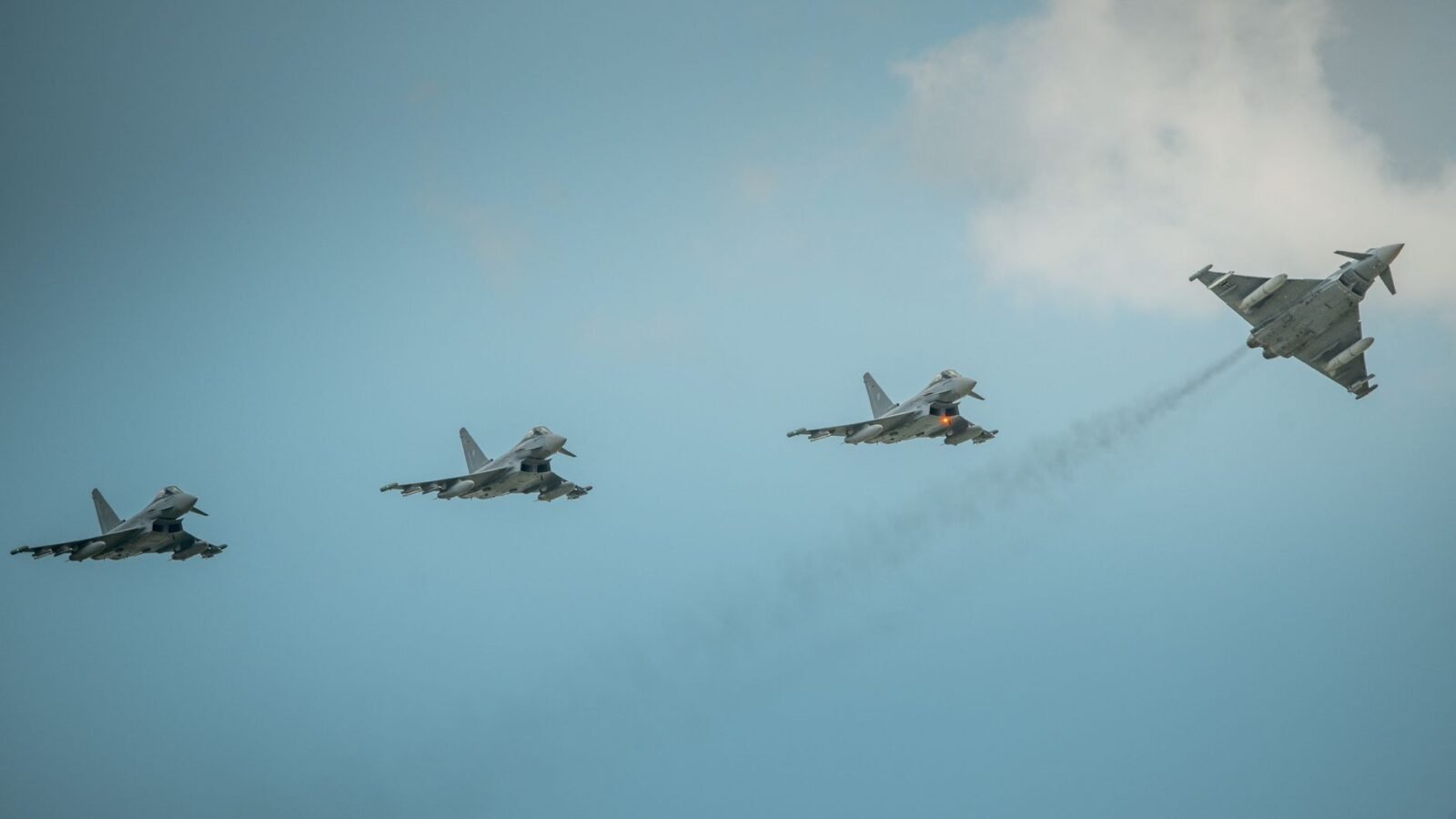
During a NATO summit, then-President Donald Trump reportedly abandoned the distinctive Air Force One for an older model due to a credible Iranian threat, The New York Times revealed. This extraordinary, previously undisclosed security measure illuminates the intense, often covert, geopolitical pressures impacting high-level diplomacy.
The decision to swap presidential aircraft was a direct response to intelligence concerning a potential Iranian attack, according to the report. This drastic action underscores the severity with which U.S. officials assessed the threat, elevating an already tense U.S.-Iran dynamic to unprecedented operational security levels.
While the specific nature of the threat or the exact summit location remains undisclosed, the incident raises urgent questions about the true extent of the US-Iran conflict. It suggests an operational escalation that directly impacted presidential safety protocols on foreign soil, far beyond the public gaze.
Why this is trending
This revelation trends amid ongoing global discussions on presidential security, the shadow war between major powers, and the resilience of international diplomatic frameworks. It resonates with current search interest in geopolitical 'black swan' events and the undisclosed risks leaders face, linking past incidents to present concerns about intelligence efficacy and threat mitigation.
Such a drastic security change during a high-profile international gathering highlights the disruptive potential of regional hostilities. It prompts critical debate on how international diplomacy can proceed effectively when leaders' personal security is overtly compromised by persistent geopolitical tensions, potentially forcing changes in summit logistics and leader movements.
Unanswered Questions and Implications
The New York Times report does not specify if or how the alleged threat was ultimately thwarted, leaving many crucial questions unanswered regarding specific circumstances and broader implications. This lack of detail fuels speculation among experts about the precise intelligence capabilities at play and the full scope of the security operation.
“A credible Iranian threat reportedly compelled then-President Trump to switch planes at a pivotal NATO summit.”
How effectively do you believe intelligence agencies protect global leaders from sophisticated threats?
🔥 Readers are voting live
This revelation will likely spark further discussion among international relations experts and policymakers. The incident forces a re-evaluation of current strategies employed to manage and contain the complex, often volatile, relationship between the United States and Iran, prompting a deeper dive into intelligence sharing and risk assessment protocols.
What impact do you think such undisclosed threats have on the public's perception of global security and leadership effectiveness?
Analysis
This reported incident, while specific to a past administration, illuminates persistent undercurrents in US-Iran relations that continue to shape global security. The alleged necessity of a presidential plane switch, as reported by The New York Times, signifies more than just a security scare; it points to the high-stakes and often unacknowledged intelligence 'shadow wars' that run parallel to public diplomacy. Such an extreme measure underscores the deep distrust and the sophisticated, often covert, capabilities that state and non-state actors can bring to bear in the region. It suggests that even during ostensible periods of de-escalation, the potential for disruptive action remains acutely high, compelling world leaders to operate under elevated threat assessments.
The implications extend beyond bilateral US-Iran tensions. A credible threat against a US President during a NATO summit demonstrates how regional flashpoints can directly impinge upon broader international cooperation and multilateral diplomacy. When a leader's physical security requires such drastic, covert adjustments, it inherently affects the climate of high-level engagement, potentially diverting resources and attention from core diplomatic objectives. This incident, even in hindsight, forces a re-evaluation of the resilience of international gatherings against geopolitical volatility, suggesting that the 'safe spaces' of diplomacy are increasingly porous to real-world threats emanating from distant conflicts. The interconnectedness of global security means a perceived threat in the Gulf can necessitate a security overhaul in Europe, exposing the fragility of the international order.
Sources: The New York Times
🗞 National Times Newsroom — Reported by Adam Cole · Analysis by Dr. Idris Okafor · Edited by Leila Mansour · Approved by Victoria Hale · Standards score 100/100