Ukraine Mall Attack: Deliberate Strike or Tragic Miscalculation?

Trending Global
A missile strike on a Ukrainian shopping centre has ignited a fierce debate over intent, with implications for international law.
What just happened
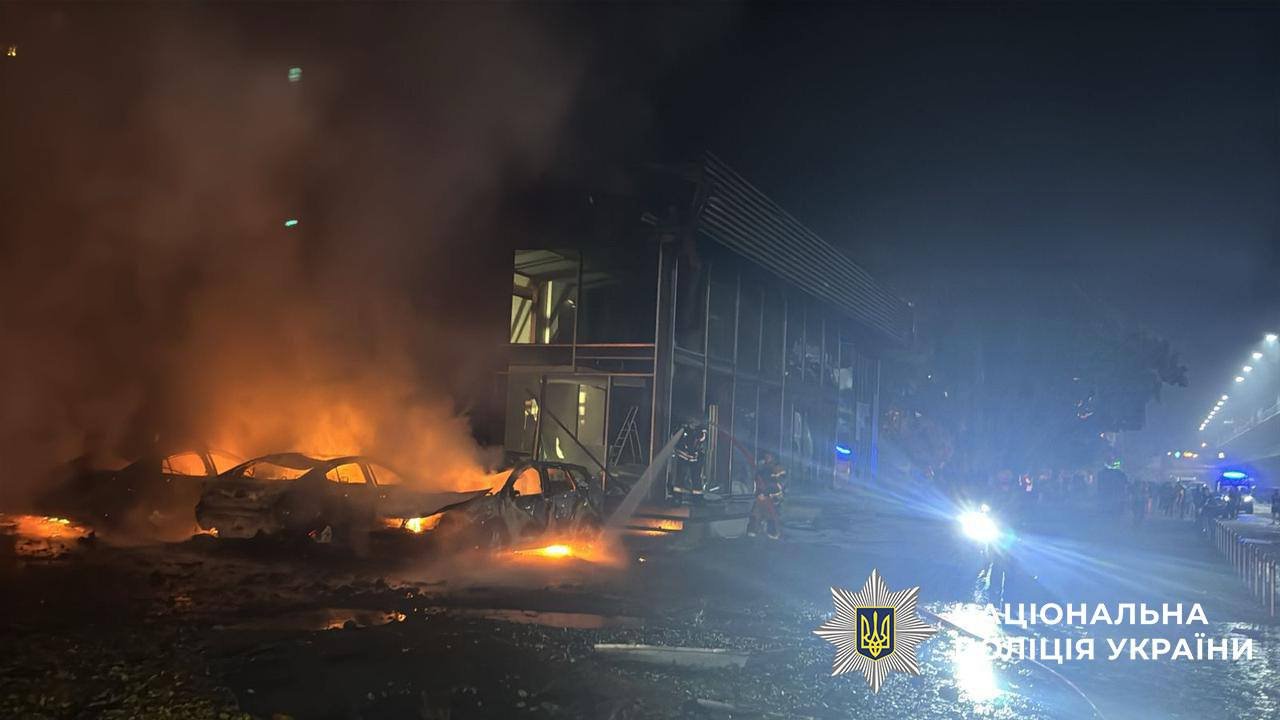
A shopping mall in Ukraine was struck by a missile, reportedly in a 'double-tap' sequence, resulting in 16 fatalities and 130 injuries. Rescue operations are ongoing, with nine people still missing in the wreckage. The attack has drawn immediate international condemnation and calls for investigation into the circumstances of the strike. The civilian nature of the target, a populated retail centre, has become central to the unfolding narrative.
The 'double-tap' nature of the strike, typically involving a second munition deployed shortly after the first, is often associated with tactics designed to target first responders or individuals arriving at the scene of an initial impact. This specific detail has intensified concerns regarding the intent behind the attack, moving the discussion beyond mere accidental collateral damage.
Why it is contested
The core of the contestation lies in discerning intent: was the shopping mall deliberately targeted, or was it an unfortunate consequence of an attack aimed at a legitimate military objective? The distinction is critical under international humanitarian law, particularly concerning the principle of distinction between combatants and civilians, and the prohibition against targeting civilian objects. Evidence, or the lack thereof, regarding proximate military installations or infrastructure, will be key to resolving this question.
Without clear, verifiable intelligence on the presence of military assets in the immediate vicinity of the mall, any claim of an accidental strike remains difficult to substantiate. Conversely, proving deliberate intent to target a civilian facility requires equally robust evidence, such as intelligence intercepts or explicit statements of targeting policy. The ambiguity inherent in conflict zones often leaves such incidents open to competing interpretations, each with significant geopolitical ramifications.
The competing narratives
One dominant narrative, advanced by Ukrainian authorities and many international observers, characterises the strike as a deliberate act of terror, a war crime intended to inflict maximum civilian casualties and demoralise the population. Proponents of this view point to the nature of the target – a shopping mall – and the 'double-tap' methodology as evidence of malicious intent. The strongest objection to this reading is that even in deliberate targeting, there is often a stated or perceived military rationale, however tenuous, which has not yet been articulated or discovered for this specific location.
The competing narrative suggests that the mall was not the primary target, but rather an adjacent or nearby military asset. Under this interpretation, the mall was either hit due to a guidance error, a miscalculation of blast radius, or as unavoidable collateral damage from a strike on a legitimate military objective. The strongest objection to this explanation is the absence of immediate, credible evidence of such a military target in close proximity to the mall that would justify such a significant risk to civilian life. Furthermore, the 'double-tap' aspect complicates this explanation, suggesting a more calculated approach than simple error.
What to watch next
The immediate focus will be on the ongoing forensic investigation of the site, including missile remnants, impact patterns, and any recovered intelligence that might shed light on the weapon system used and its intended trajectory. Satellite imagery, if it becomes available, could reveal the presence or absence of military infrastructure around the mall prior to the strike. International bodies and investigative journalists will be scrutinising any official statements or leaked intelligence that could corroborate either of the primary narratives.
Beyond the immediate investigation, the diplomatic fallout will be significant. The incident is likely to be raised in international forums, potentially leading to further sanctions or increased military aid, depending on how the international community ultimately interprets the evidence. The precedent set by the interpretation of this event could influence future rules of engagement and accountability for civilian harm in armed conflicts.
The bottom line
The attack on the Ukrainian shopping mall forces a critical examination of intent in modern warfare. Is the targeting of a civilian area an explicit strategy, or a tragic, if perhaps negligent, outcome of aiming at other objectives? The answer will not only determine the legal classification of this specific incident but will also shape the broader understanding of accountability in the conflict. What evidence would definitively distinguish between a calculated act of terror and a severe case of collateral damage, and how long will it take for such evidence to emerge, if it ever does?
Source material: BBC News