Ukraine Mall Attack: The Contested Utility of Escalation
Trending Global
A Russian 'double-tap' strike on a Ukrainian shopping centre, killing 16, raises questions about the strategic intent behind such attacks.
What just happened
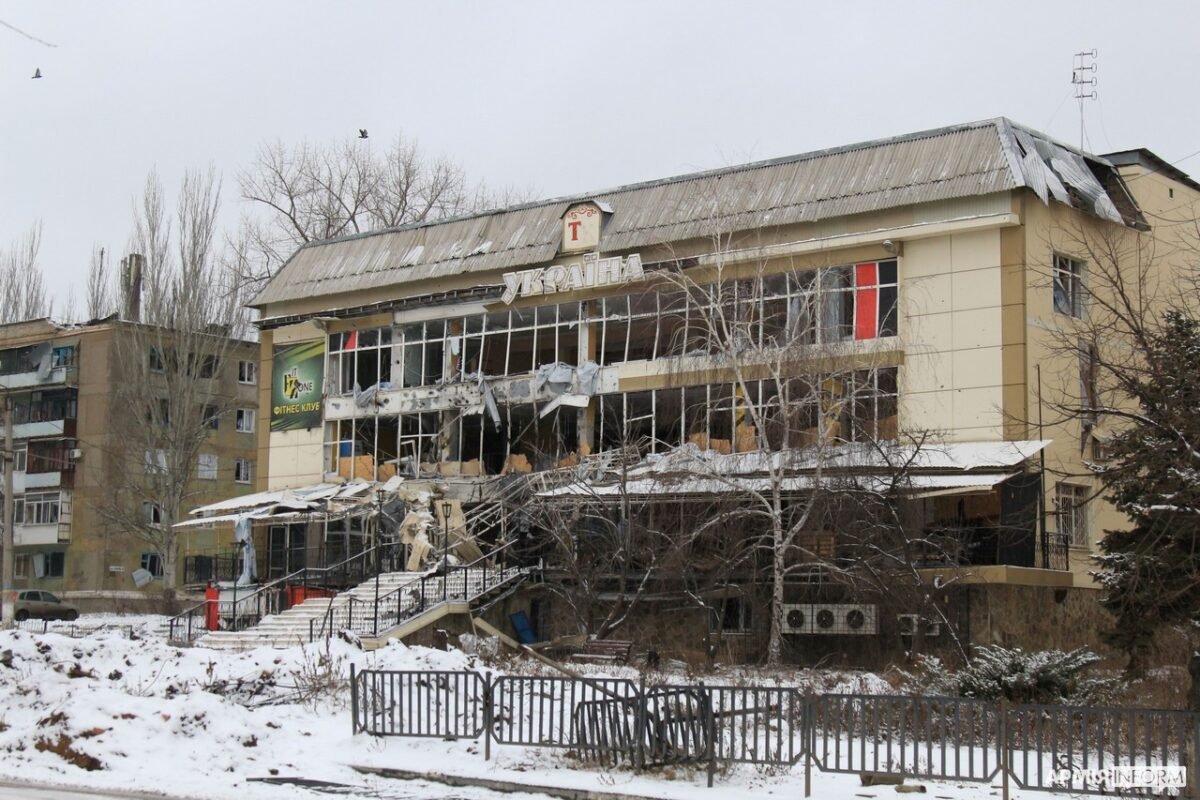
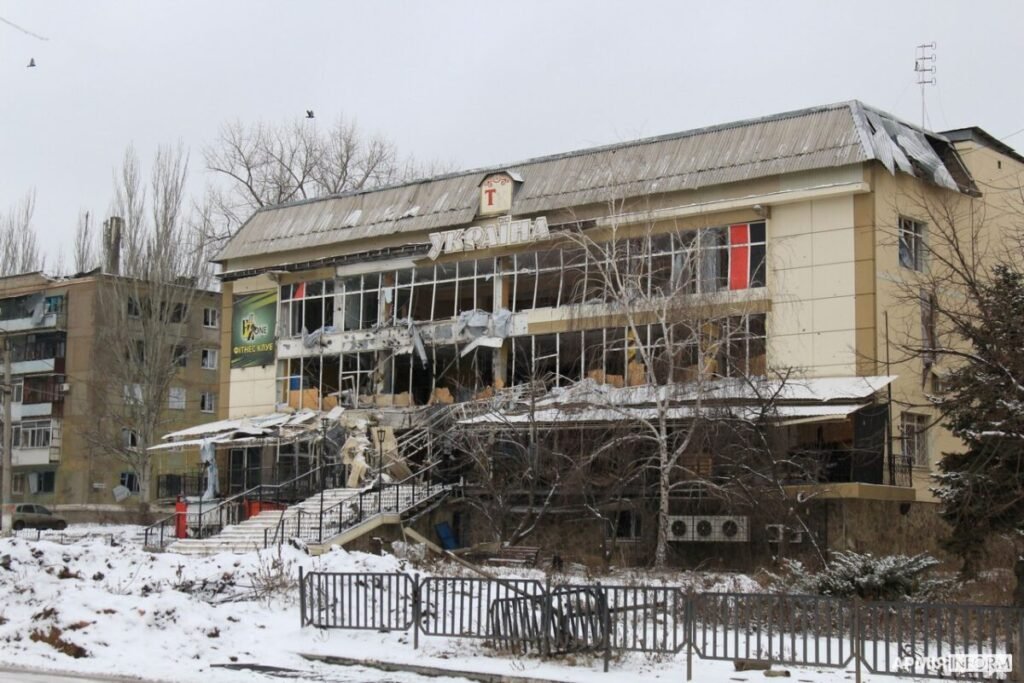
A Russian missile strike on a shopping centre in Ukraine resulted in 16 deaths and 130 injuries, with nine individuals still reported missing. The attack, described as a 'double-tap' strike, involved two successive munitions impacting the same location. Such a pattern is often associated with an intent to target first responders or those attempting to assist initial casualties, amplifying the human cost and psychological impact. The affected facility was a civilian shopping mall, raising immediate questions about the targeting rationale and the broader implications for the conflict's trajectory.
Why it is contested
The strategic utility of striking civilian infrastructure, particularly a shopping mall, remains a deeply contested point in analyses of the conflict. While such actions undeniably inflict significant human suffering and generate international condemnation, their effectiveness in achieving specific military or political objectives is far from clear. For an attack to be strategically rational, it must either degrade an adversary's military capability, compel a change in policy, or significantly undermine public support for the war effort. The targeting of a retail centre, however, does not directly impact military logistics or front-line capabilities. This leaves analysts to weigh whether the objective is primarily punitive, coercive, or indicative of a more profound shift in Moscow's operational doctrine or even a sign of tactical frustration.
The competing narratives
One prevailing interpretation posits that such attacks are designed to exert psychological pressure on the Ukrainian population and government, aiming to degrade morale and foster a desire for an end to hostilities on Moscow's terms. By demonstrating the reach and destructive capacity of its weaponry against civilian targets, Russia may seek to signal that no part of Ukraine is truly safe, thereby raising the perceived cost of continued resistance. The strongest objection to this reading is that previous similar attacks have not demonstrably weakened Ukrainian resolve; rather, they have often solidified it, galvanising international support and hardening domestic sentiment against any concessions.
An alternative narrative suggests these strikes are a form of punitive retaliation, perhaps in response to perceived Ukrainian cross-border incursions or tactical successes elsewhere. Under this view, the attacks are less about achieving a direct military outcome and more about demonstrating a capacity for escalation and an unwillingness to tolerate perceived provocations. The objection here is that such a tit-for-tat logic rarely serves a clear strategic purpose beyond immediate retribution, often leading to an escalatory spiral without altering the fundamental balance of power. Moreover, it risks alienating potential mediators and further isolating Russia on the international stage, consequences that may outweigh any perceived short-term deterrent effect.
What to watch next
The immediate aftermath of this strike will be critical in observing both Ukrainian and international reactions. Will Kyiv respond with a demonstrable escalation of its own, or will it seek to leverage international outrage to secure further advanced weaponry? Equally important is the Western response: will this incident prompt a re-evaluation of current aid packages, potentially accelerating the delivery of more sophisticated air defence systems or long-range strike capabilities? Finally, observe whether Moscow articulates any specific strategic rationale for the strike beyond general claims of targeting military infrastructure, or if it maintains ambiguity. The absence or presence of a coherent justification could indicate whether this was a calculated tactical shift or an isolated, if devastating, incident.
The bottom line
The attack on the shopping mall forces a re-evaluation of Russia's strategic calculus in Ukraine. Is the intent to systematically degrade civilian infrastructure to break the will of the population, or is it a more reactive, punitive measure aimed at signalling resolve? The efficacy of such tactics in achieving strategic aims remains highly questionable, often yielding a counterproductive hardening of opposition. What does this specific act of targeting reveal about the evolving objectives of the conflict, and how will it reshape the parameters of both military aid and future diplomatic engagements?
Source material: BBC News