US Strikes Iran, Global Energy Markets Brace for Escalation
The United States has launched a 'wave of strikes' against Iran, escalating Middle East tensions. The action follows past warnings from former President Trump, as the world watches for potential regional conflict and energy market disruption.
· 4 min read👁 2٬889 reading now
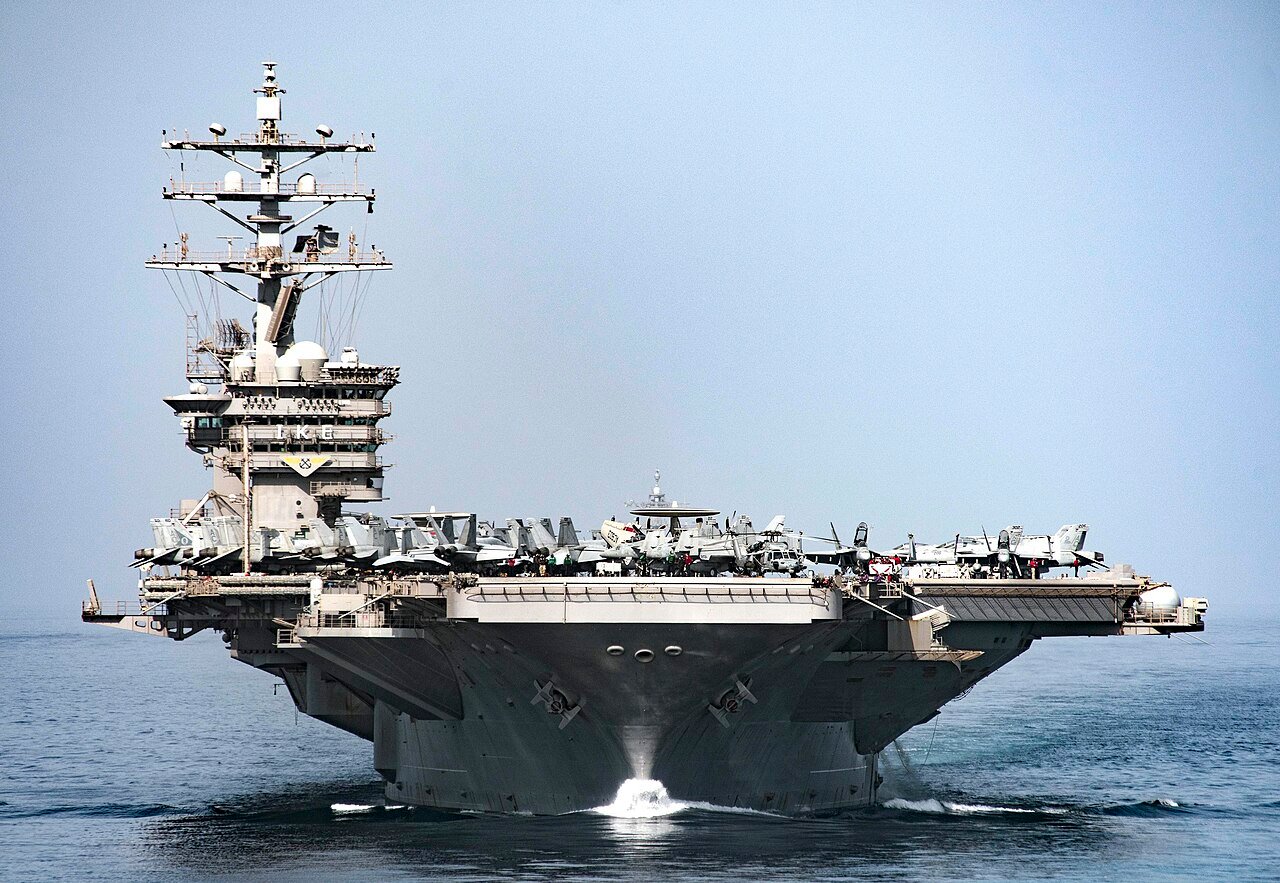
📷 Official U.S. Navy Page from United States of America
J. Alexander Delgado/U.S. Navy Photo / Wikimedia Commons (Public domain) · source
The United States has initiated a 'wave of strikes' against Iran, a significant escalation reported by The Guardian's live coverage of the Middle East crisis. This military action immediately heightens fears of a wider regional conflict.
The Guardian's report notes previous warnings from former President Donald Trump regarding potential targets like power plants and bridges, made if diplomatic agreements with Iran were not reached. The specific targets and full scope of the current US strikes remain undisclosed in the initial signal.
Geopolitical Ripples and Energy Markets
This aggressive posture by the US immediately raises fears of wider regional conflict, placing global energy markets on high alert. Analysts are closely monitoring any potential disruption to vital Middle Eastern shipping lanes, particularly through critical chokepoints.
The specter of a global energy crisis looms large. Iran has historically threatened to halt Mideast energy exports in response to international pressure or military action, a move that could send oil prices skyrocketing and destabilize global supply chains.
Should measures akin to a 'blockade' of Iranian ports be confirmed and enacted, it would further choke off Iran's economic lifelines, severely impacting global oil supplies and international trade stability.
Why this is trending
This unfolding crisis immediately connects to global concerns over energy security, geopolitical stability in the Middle East, and the delicate balance of power. International searches are trending for 'Iran US conflict', 'oil prices Middle East', and 'Strait of Hormuz' as observers seek to understand the implications for global commerce and international relations.
“The specter of a global energy crisis looms large, as analysts watch for any disruption to vital Middle Eastern shipping lanes.”
⚡ Quick Poll
Which factor do you believe is the most significant driver of this escalation?
🔥 Readers are voting live
The immediate question for policymakers and global observers is whether these escalating military actions will lead to a full-blown regional war. The threat to vital energy routes creates an urgent geopolitical flashpoint that demands international attention.
Diplomacy's role in averting a wider conflict is now under intense scrutiny. The international community holds its breath, hoping de-escalation efforts can still prevent a devastating expansion of hostilities that would have far-reaching humanitarian and economic consequences.
The full economic and geopolitical fallout from this 'wave of strikes' remains to be seen. The coming hours and days will be crucial in determining the trajectory of this rapidly unfolding crisis, particularly concerning global energy stability and regional peace.
How do you anticipate this 'wave of strikes' will impact global energy prices in the short term? Share your thoughts below.
🗞 National Times Newsroom
— Reported by Adam Cole · Analysis by Dr. Idris Okafor · Edited by Leila Mansour · Approved by Victoria Hale · Standards score 85/100