US Strikes on Iran: The Ambiguity of Escalation and Strategic Intent
Trending Global
The US military's reported strikes on targets within Iran introduce profound uncertainty regarding the immediate trajectory of regional conflict.
What just happened
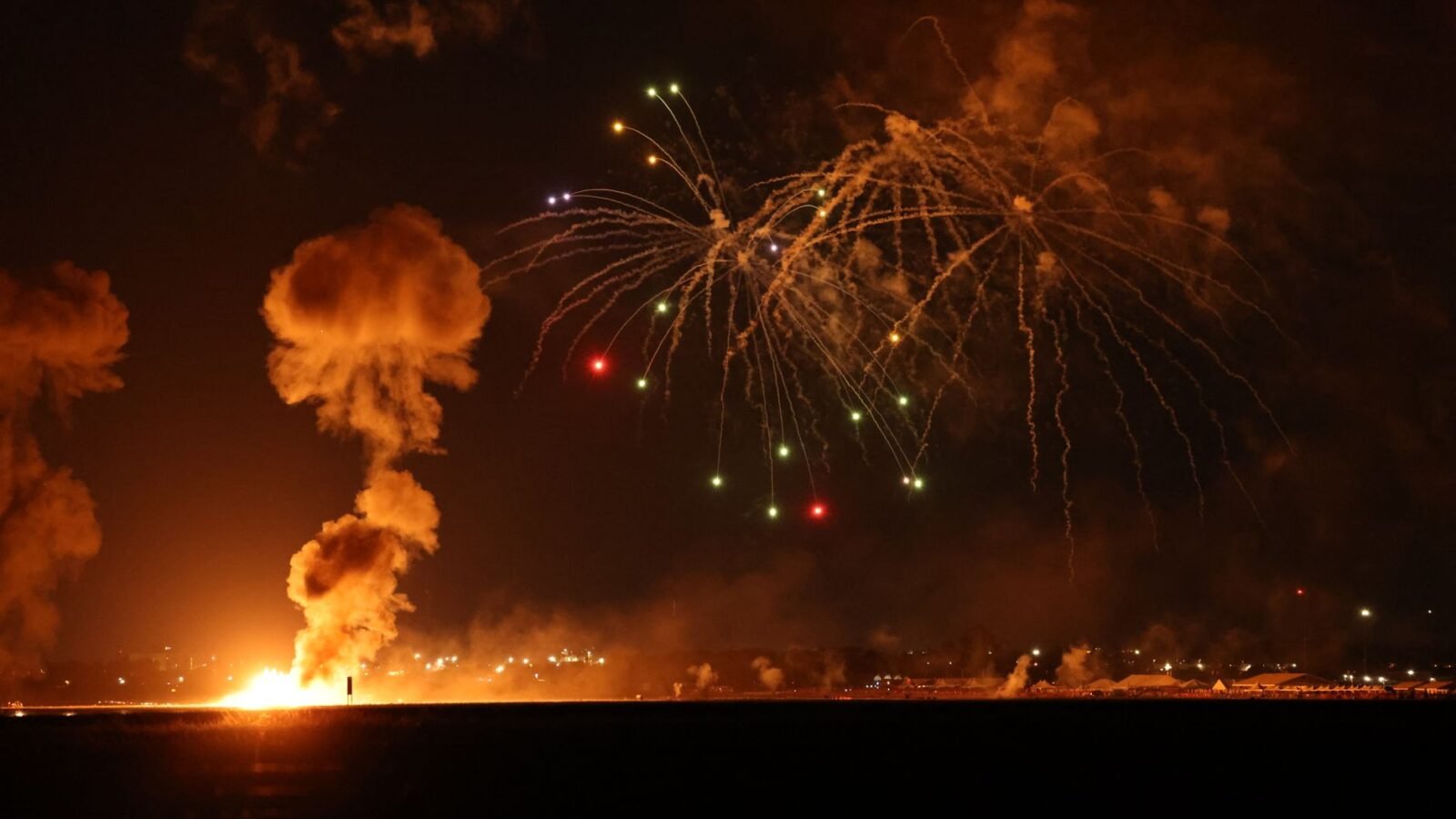
The United States military, through its Central Command (CENTCOM), has announced that it has commenced striking targets within Iran. The precise nature, scale, and specific locations of these strikes have not been immediately detailed. This action follows a period of heightened tensions in the region, characterised by various proxy engagements and threats of reprisal from multiple actors. The confirmation from CENTCOM signifies a direct engagement by US forces on Iranian soil, a development that carries considerable implications for regional stability and international relations.
Why it is contested
The strategic intent behind these strikes is subject to immediate and intense debate. Without specific information regarding the targets, the extent of damage, or the declared objectives, observers are left to interpret the action through a lens of profound uncertainty. Is this a limited, punitive measure designed to restore deterrence without provoking a wider war? Or does it represent a significant escalation, crossing a threshold that could invite a more direct and destabilising response from Tehran? The ambiguity allows for multiple, equally plausible, and fundamentally contradictory readings of the immediate future.
The competing narratives
One dominant interpretation posits these strikes as a calculated act of de-escalation, paradoxical as that may sound. Proponents of this view argue that by striking directly at the source of perceived aggression, Washington aims to establish a clear red line and deter further proxy actions, thereby preventing a more uncontrolled regional conflagration. The limited disclosure of information, in this reading, might be a deliberate tactic to allow both sides an off-ramp, providing Iran with an opportunity to absorb the blow without being publicly pressured into a disproportionate response. The strongest objection to this narrative is that any direct strike on sovereign territory, regardless of scale, inherently carries a risk of escalation that is difficult to contain, particularly when the initial provocation is not fully articulated.
Conversely, another narrative frames these strikes as a dangerous escalation, potentially marking the beginning of a broader conflict. This perspective suggests that by engaging directly, the US has abandoned the previous strategy of responding only to proxy attacks, thereby widening the scope of potential confrontation. Those who hold this view would argue that Iran's leadership, having suffered a direct attack, will be compelled to respond to maintain credibility, potentially targeting US assets or allies in the region with increased intensity. The primary counter-argument here is that inaction in the face of sustained provocations could be perceived as weakness, inviting further aggression and ultimately leading to a more severe conflict down the line. The current action, therefore, could be seen as a pre-emptive measure to prevent a worse outcome.
What to watch next
The immediate future hinges on several critical factors. Firstly, the nature and speed of Iran's official response will be paramount. Will Tehran condemn the strikes but signal a desire to avoid further escalation, or will it promise immediate and forceful retaliation? Secondly, the specific targets hit and the damage inflicted, if and when these details emerge, will offer insights into the US's strategic objectives. Were they military facilities, command and control centres, or sites associated with specific proxy operations? Finally, the reactions of regional and international actors will be crucial. Will allies condemn the action, or will they express support for a deterrence strategy? The unfolding diplomatic and military signalling will provide the necessary context to assess the true trajectory of this development.
The bottom line
The US military's strikes on Iran have introduced a significant variable into an already volatile regional equation. The absence of detailed information ensures that competing interpretations of intent and potential outcomes will persist. Whether this represents a calculated attempt to re-establish deterrence and prevent a wider war, or a dangerous step towards direct confrontation, remains an open question that future actions and disclosures will either clarify or further complicate. What specific conditions would need to be met for either a de-escalatory or escalatory path to become unambiguously clear?
Source material: Al Jazeera – Breaking News, World News and Video from Al Jazeera