Typhoon Dolphin Challenges Okinawa’s Infrastructure Resilience
Trending Global
The passage of Typhoon Dolphin through Okinawa underscores the persistent vulnerability of critical infrastructure to extreme weather events.
What just happened
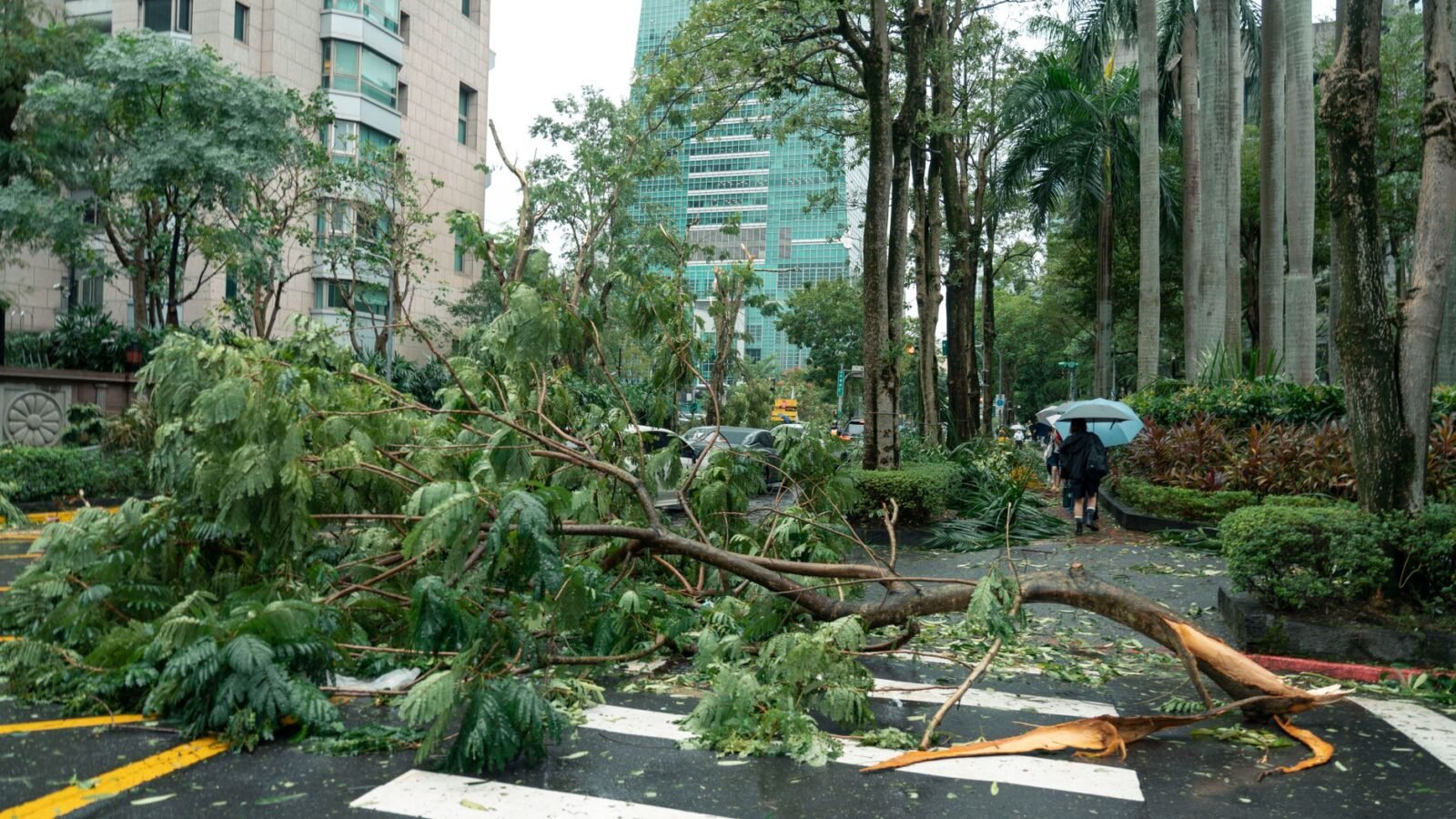
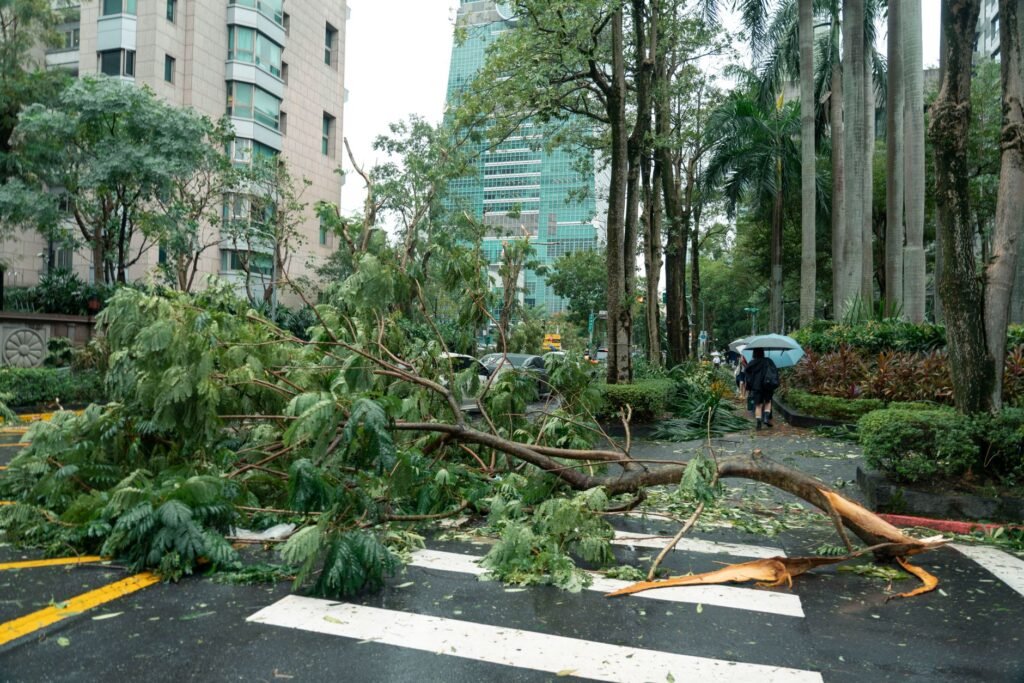
Typhoon Dolphin made landfall in the vicinity of Okinawa, Japan, precipitating significant disruption. The storm's direct impact resulted in power disconnections for an estimated 44,000 structures across the island, indicating a broad-based compromise of local utility infrastructure. Additionally, the event led to reports of five injuries, underscoring the immediate physical risks posed to the populace. Following its passage over Okinawa, Typhoon Dolphin has continued on a trajectory that places it on course to impact mainland China, extending the geographical scope of its potential consequences.
The immediate aftermath in Okinawa has initiated emergency response protocols focused on power restoration and aid to those affected. While the reported injury count remains comparatively low for a storm of this magnitude, the extensive power disruption points to systemic vulnerabilities. The unfolding situation provides an immediate case study for assessing regional readiness against severe weather events, a concern amplified by the broader context of climate pattern shifts.
Why it is contested
The interpretation of Typhoon Dolphin's impact on Okinawa is contested between two principal perspectives: one emphasising the resilience and preparedness measures in place, and another highlighting persistent vulnerabilities. Proponents of the former view point to the relatively contained casualty figures and the activation of established emergency protocols as evidence of effective mitigation strategies. They might argue that widespread power outages, while inconvenient, are an expected consequence of typhoons and that the rapid response demonstrates operational robustness.
Conversely, critics contend that the scale of power disruption, affecting tens of thousands of buildings, suggests an underlying fragility in infrastructure that has yet to be adequately addressed. They question whether current hardening efforts are sufficient to withstand increasingly frequent or intense weather events. The debate centres not merely on what happened, but on what the incident reveals about the long-term efficacy of disaster preparedness and infrastructure investment in a region routinely exposed to such meteorological phenomena.
The competing narratives
One prevailing narrative posits that Okinawa's experience with Typhoon Dolphin exemplifies a mature and well-exercised disaster response framework. This view suggests that the infrastructure, while not impervious, is designed to absorb and recover from significant shocks. The limited number of injuries, despite the widespread power loss, is cited as evidence that public safety measures and early warning systems functioned effectively. The strongest objection to this reading is that 'resilience' is often retrospectively defined; the true measure of success lies in preventing disruption, not merely recovering from it. The sheer volume of power cuts suggests a preventative failure, irrespective of recovery speed.
An alternative narrative frames the event as a stark reminder of the enduring challenge posed by extreme weather, particularly for island territories. This perspective argues that despite advancements in engineering and warning systems, critical infrastructure, especially power grids, remains fundamentally susceptible to direct strikes. The persistent nature of power outages, even after significant investment in storm-proofing, leads this narrative to question the adequacy of current standards. The strongest objection here is that perfect storm-proofing is economically unfeasible and operationally impossible; a certain level of disruption is inherent to the force of nature, and the focus should remain on rapid restoration and minimising human harm, which was largely achieved.
What to watch next
The critical next phase involves monitoring the speed and efficacy of power restoration efforts across Okinawa. The duration of outages will offer a more definitive indicator of the grid's actual resilience and the logistical capabilities of utility providers. Beyond immediate recovery, attention will shift to any post-storm assessments by Japanese authorities regarding infrastructure vulnerabilities and potential upgrades. Specifically, whether the incident prompts a re-evaluation of existing building codes or utility hardening standards will be telling.
Concurrently, the trajectory and impact of Typhoon Dolphin as it approaches China will provide a comparative case study. How China's coastal infrastructure and emergency response mechanisms fare against the same storm system could illuminate differences in national preparedness strategies and investment priorities. The extent of disruption and the nature of the official response in China will offer additional data points for assessing regional resilience against a shared climatic threat.
The bottom line
The passage of Typhoon Dolphin over Okinawa presents a dual challenge to interpretation: whether it represents a successful demonstration of resilience in the face of an inevitable natural force, or a persistent exposure of infrastructure vulnerabilities that demand further investment and strategic reconsideration. The outcome in Okinawa and the subsequent impact on China will undoubtedly inform future policy debates on climate adaptation and disaster preparedness across East Asia. The question remains whether societies can truly 'storm-proof' themselves against increasingly powerful typhoons, or if they must simply refine their capacity to absorb and recover from repeated blows.
Source material: BBC News