Ukraine’s deep strikes: Shifting war aims or tactical escalation?
Predictive Analysis
Recent Ukrainian drone strikes on Tatarstan, deep within Russian territory, suggest a significant recalibration of Kyiv's strategic objectives.
The signal
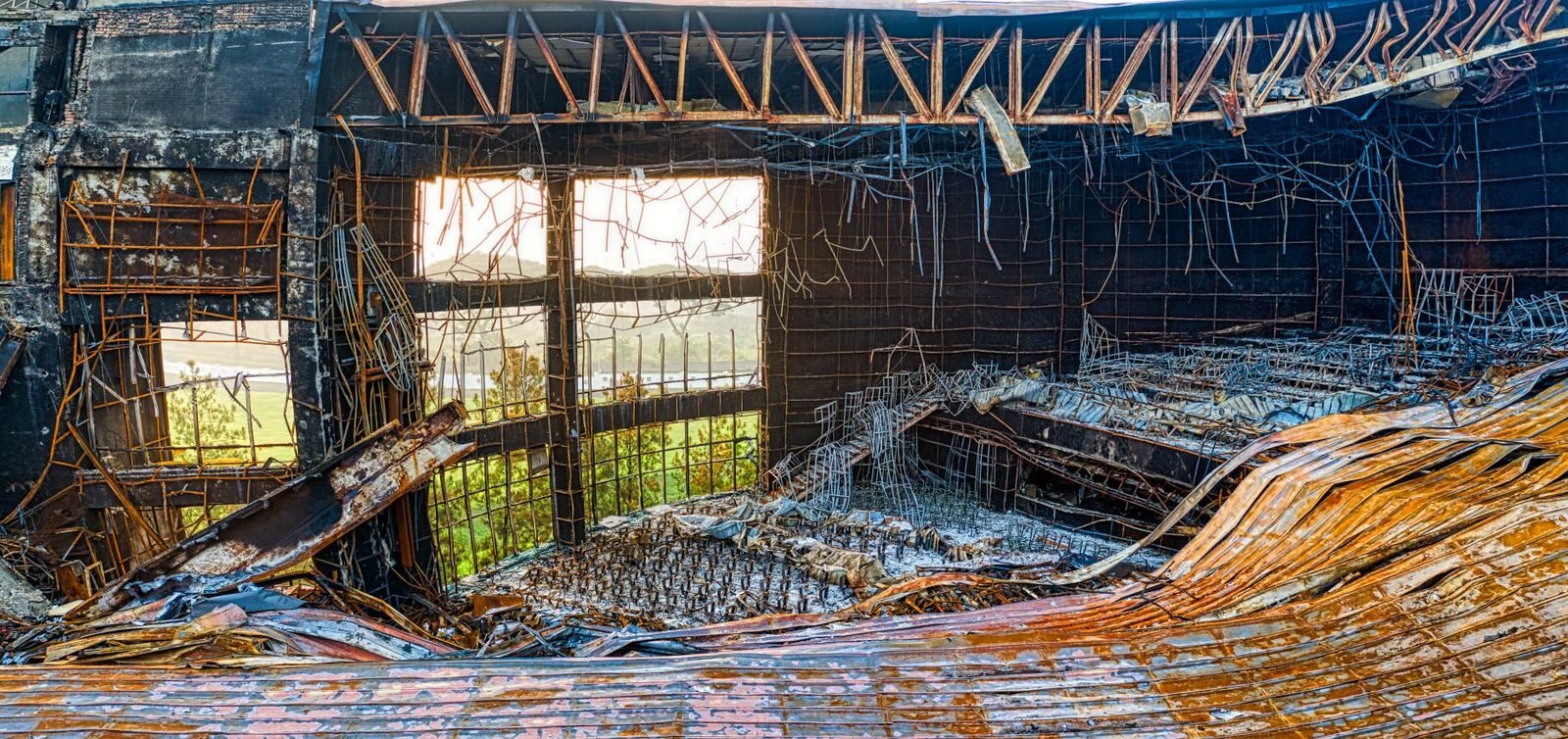
The recent Ukrainian drone strikes on targets within Tatarstan represent more than a mere tactical nuisance; they constitute a deliberate signal of strategic intent. Historically, Ukrainian deep strikes have largely focused on border regions or occupied territories, aiming to disrupt logistics or military concentrations. The targeting of Tatarstan, hundreds of kilometres from the front, marks a qualitative shift. This is not simply about an expanded operational reach, but about a redefinition of the battlefield to include critical Russian industrial and logistical nodes far from the front lines. The choice of target, a region integral to Russia's industrial base, suggests an objective beyond immediate battlefield advantage: to impose a direct and tangible cost on the Russian interior, challenging the Kremlin's capacity to insulate its populace from the conflict's repercussions.
This strategic pivot can be read in two ways. First, as an attempt to compel a reallocation of Russian air defence assets away from the front, thereby creating vulnerabilities for Ukrainian forces. Second, and more profoundly, it may indicate a revised Ukrainian war aim: to erode the Russian public's tolerance for the conflict by demonstrating Moscow's inability to guarantee security even in its heartland. This second interpretation would imply a more protracted conflict, one in which Ukraine seeks to undermine Russian domestic stability as a means to influence the war's ultimate trajectory.
The mechanism
The mechanism of these strikes involves a combination of increasingly sophisticated drone technology and an evolving intelligence picture. While specifics remain unconfirmed, the range and precision required for the Tatarstan operation suggest either indigenously developed long-range unmanned aerial vehicles or adapted commercial platforms. The ability to penetrate Russian airspace to such depths indicates potential weaknesses in Russian air defence layers, particularly beyond the immediate conflict zone. This is not merely a matter of quantity but of systemic integration and early warning capabilities.
Crucially, the success of such operations relies on an intelligence network capable of identifying high-value targets and assessing their vulnerabilities. This network may involve a combination of human intelligence, open-source intelligence, and potentially signals intelligence, allowing Kyiv to select targets that maximise strategic impact. The psychological effect of these strikes cannot be overstated; they puncture the Kremlin's narrative of a 'special military operation' confined to Ukraine, forcing the Russian populace to confront the reality of war on their own soil. This mechanism, therefore, is as much about information warfare and psychological operations as it is about kinetic effects.
Who gains and who is exposed
Ukraine stands to gain by demonstrating its capacity to escalate beyond the immediate front, potentially forcing Russia to divert resources or reconsider its strategic calculus. If these strikes can be sustained, they could disrupt critical Russian industrial output, complicate logistics, and potentially sow domestic discontent. For Kyiv, this strategy offers a means to regain initiative and exert pressure even as battlefield conditions remain challenging. It also serves as a potent message to Western allies regarding Ukraine's resolve and its need for continued, and potentially expanded, military support.
Conversely, Russia is exposed on multiple fronts. Domestically, the strikes challenge the image of a strong, protective state, potentially eroding public confidence and support for the conflict. Militarily, Russia faces the difficult choice of either reinforcing deep-area air defences, thereby weakening forward deployments, or accepting continued vulnerability. Internationally, the attacks could be framed by Moscow as an escalation requiring a commensurate response, potentially justifying further retaliatory measures against Ukrainian cities or infrastructure. Western nations find themselves exposed to the implications of these strikes. While publicly supporting Ukraine's right to self-defence, many have implicitly, or explicitly, cautioned against the use of Western-supplied weapons for strikes deep inside Russia. Sustained deep strikes by Ukraine could force a re-evaluation of these 'red lines', potentially straining alliances or leading to calls for de-escalation that Kyiv may resist.
Leading indicators to track
Several indicators will be crucial for assessing the trajectory of this evolving strategy. Firstly, the frequency and depth of subsequent Ukrainian drone strikes into Russian territory. A sustained pattern, particularly targeting industrial or logistical nodes far from the border, would confirm a strategic shift rather than an isolated incident. Secondly, Russia's response: observe whether Moscow reallocates significant air defence assets from the front lines to protect its interior, or if it escalates retaliatory strikes against Ukrainian cities and critical infrastructure. Any official Russian statements that explicitly link the Tatarstan strikes to a new phase of the conflict would be highly indicative.
Thirdly, monitor the internal Russian information space for signs of increased public concern or criticism regarding the state's ability to protect its citizens. This could manifest in social media trends, local news reports, or even subtle shifts in state media narratives. Fourthly, observe the reactions of key Western allies. Any public statements from Washington, London, or Berlin that either condemn or implicitly endorse such deep strikes would signal a shift in their policy posture regarding Ukraine's operational freedom. Finally, track Ukrainian official statements for any subtle changes in rhetoric regarding war aims or the scope of operations.
The twelve-month forecast
The next twelve months will likely see an intensification of this deep-strike strategy by Ukraine, albeit constrained by resource availability and Western political sensitivities. Kyiv's capacity to consistently hit targets hundreds of kilometres into Russia will depend on its ability to sustain and innovate its drone production and intelligence gathering. Russia, in turn, will be forced to adapt, likely by strengthening its deep-area air defences and increasing its own long-range retaliatory strikes.
The most significant uncertainty lies in the political dimension. Will these strikes prompt a re-evaluation of Western 'red lines' on the use of supplied weaponry, or will they be tacitly accepted as a necessary component of Ukraine's self-defence? The outcome of this strategic shift will not be decided by a single strike, but by the sustained pressure it exerts on Russia's war economy, its domestic stability, and the international calculus of support for Ukraine. The central question remains whether Kyiv can inflict sufficient pain to alter Moscow's strategic objectives, or if these attacks will merely lead to a prolonged and more geographically expansive conflict without a decisive outcome.
Scenario matrix
| Scenario | Probability | Confirming trigger |
|---|---|---|
| Sustained Ukrainian deep strikes force Russia to divert critical resources, slowing its offensive capacity and creating domestic instability. | 45% | Consistent reports of Ukrainian drone attacks on Russian industrial and logistical targets more than 500km from the border, coupled with observable re-deployment of Russian air defence systems from the front lines. |
| Russia adapts effectively, bolstering its deep defences and escalating retaliatory strikes, leading to a prolonged, more geographically expansive conflict without significant strategic shifts. | 35% | No observable decrease in Russian offensive pace on the front, combined with an increase in Russian long-range missile and drone attacks on Ukrainian critical infrastructure, and official Russian statements downplaying the impact of Ukrainian deep strikes. |
| Western allies explicitly or implicitly sanction deeper Ukrainian strikes, providing advanced long-range capabilities, leading to a significant increase in the operational tempo and impact of these attacks. | 20% | Public statements from major Western powers indicating a shift in policy regarding the use of supplied weaponry, or the confirmed delivery of new long-range strike systems to Ukraine not previously supplied. |
Probabilities are estimates, not certainties. They are published so the forecast can be scored later.
Source material: BBC News