Canada’s wildfire crisis: a test for supply chains and insurance models
Predictive Analysis
The rapid escalation of wildfires in Canada's Okanagan region highlights deeper vulnerabilities in global logistics and risk assessment.
The signal
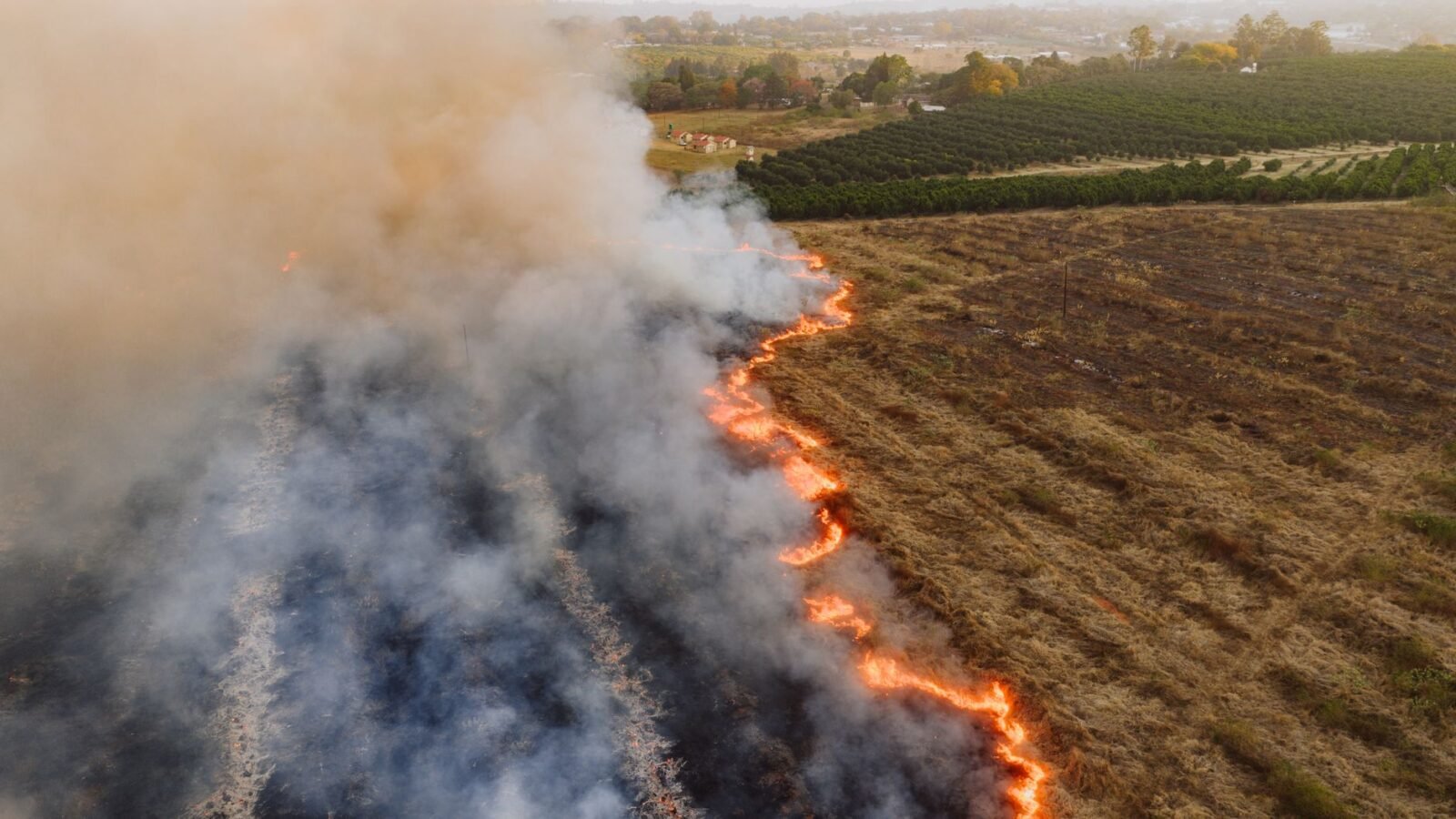
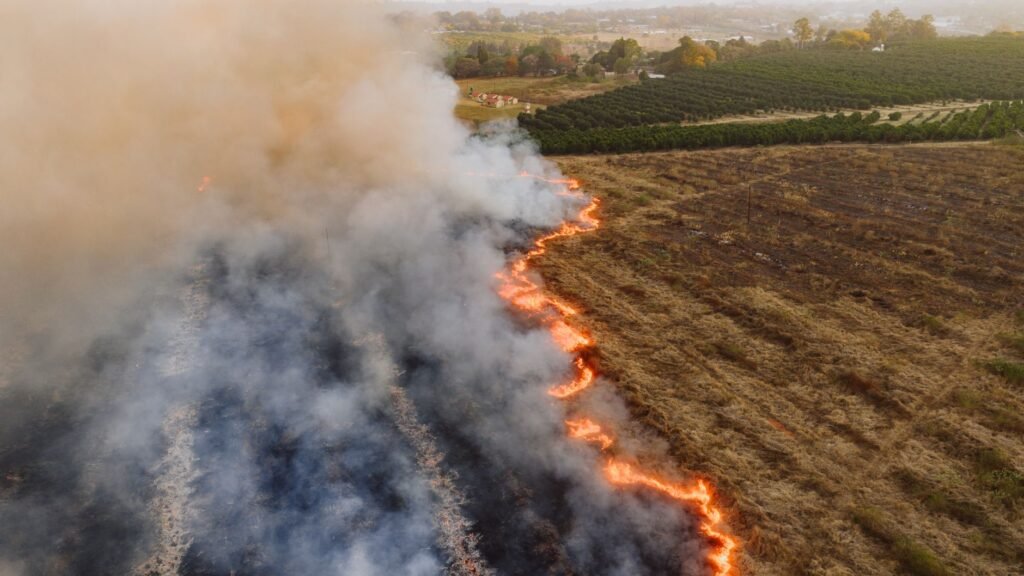
The rapid incineration of significant tracts of land and residential areas in Canada's Okanagan region, leading to the evacuation of over 12,000 residents, serves as more than a local disaster. It functions as a critical signal regarding the increasing frequency and intensity of climate-related events and their cascading economic implications. This is not merely a question of property loss, but of systemic disruption to logistics, regional economies, and the financial instruments designed to mitigate such risks. The Okanagan, known for its agricultural output, particularly fruit and wine, and as a significant tourist destination, represents a microcosm where climate vulnerability intersects with economic specialisation. The speed and scale of the fires challenge existing emergency response frameworks and, more critically, the underlying assumptions in risk modelling across multiple sectors.
The immediate spectacle of destruction obscures the second-order effects that will ripple through supply chains and financial markets. Unlike a localised industrial accident, a widespread environmental catastrophe in a productive region creates a vacuum that is difficult to fill quickly. The signal is therefore two-fold: an accelerating environmental threat, and a growing inadequacy in current economic structures to absorb or adapt to these shocks without significant re-evaluation of long-held paradigms.
The mechanism
The primary mechanism of impact extends beyond direct fire damage. First, the disruption to transportation infrastructure – road closures, potential rail line interruptions, and air quality issues affecting air freight – will impede the movement of goods and people. The Okanagan corridor is a vital artery for north-south and east-west trade within British Columbia and beyond. Prolonged closure or reduced capacity will necessitate costly re-routing, increasing lead times and freight expenses for businesses reliant on this nexus. This is particularly salient for just-in-time inventory systems, where even minor delays can create bottlenecks further down the supply chain.
Second, the destruction of agricultural assets – orchards, vineyards, and processing facilities – will create a supply shock for specific commodities. While Canada's overall agricultural output is diverse, the Okanagan specialises in certain high-value crops. The loss of a significant portion of a season's yield, coupled with the long recovery period for perennial crops, will translate into higher prices for consumers and revenue losses for producers. This mechanism is not confined to the immediate producers; it affects distributors, retailers, and associated industries such as wine tourism, which relies on the continued viability and appeal of the region.
Third, the mechanism of financial contagion operates through the insurance sector. Insurers underwrite the risk of property loss, and a rapid succession of high-severity events can strain their capital reserves. This leads to a re-pricing of risk, either through higher premiums, revised policy terms, or, in extreme cases, a reduction in coverage availability for high-risk areas. The actuarial models used to calculate premiums are often based on historical data. If the frequency and intensity of events now exceed these historical distributions, the models become obsolete, exposing insurers to unexpected liabilities and policyholders to potentially uninsurable risks. This mechanism could force governments to step in as insurers of last resort, a financially unsustainable position in the long term.
Who gains and who is exposed
In the immediate aftermath, certain sectors and entities are exposed. Property owners in the affected zones face direct and often catastrophic losses, alongside the psychological toll of displacement. Local businesses, particularly those in hospitality and agriculture, will experience severe revenue shortfalls, with some facing permanent closure. The provincial and federal governments are exposed to increased expenditures for emergency response, disaster relief, and potentially long-term reconstruction efforts, diverting funds from other public services. Insurance companies with significant exposure in the region are vulnerable to large payouts, which could impact profitability and necessitate capital raises or re-evaluations of their risk portfolios.
The exposure also extends to industries reliant on Okanagan produce, which will need to scramble for alternative sourcing, potentially from international markets, incurring higher costs and longer transit times. Consumers will ultimately bear the cost through increased prices for affected goods.
Conversely, there are entities that may experience indirect gains or a shift in market dynamics. Construction and remediation firms will see an influx of work in the rebuilding phase, though this is a gain derived from destruction. Manufacturers of fire-resistant building materials and advanced fire suppression technologies may see increased demand. Regions with similar agricultural output but unaffected by the fires may temporarily gain market share. Furthermore, the event could accelerate investment in climate adaptation technologies and infrastructure, benefiting companies operating in those niches. The broader re-evaluation of risk might also benefit reinsurers who can adjust their pricing models more rapidly, passing on increased costs to primary insurers.
Leading indicators to track
To discern the true depth of this event's impact and its broader implications, several leading indicators warrant close monitoring. Firstly, insurance claim volumes and payout rates from major carriers operating in Western Canada will provide insight into the financial strain on the industry. Any announcements regarding premium increases or changes in coverage terms for properties in fire-prone regions would signal a systemic shift in risk pricing. Secondly, freight costs and transit times along the Trans-Canada Highway and other key arteries through British Columbia will indicate the level of supply chain disruption. Spikes in these metrics would suggest sustained bottlenecks.
Thirdly, commodity prices for Okanagan-specific agricultural products, such as certain varieties of apples or wine grapes, will reflect the extent of agricultural loss. A sustained upward trend would confirm a significant supply shock. Fourthly, government announcements regarding disaster relief funding, rebuilding initiatives, and changes to land-use planning or building codes in fire-prone areas will signal the policy response. Finally, long-term investment patterns in the region, particularly in tourism and agriculture, will reveal whether capital is being withdrawn or redirected, indicating a reassessment of the region's economic viability in the face of escalating climate risks. The pace of population resettlement or permanent migration away from the region would also be a critical, albeit slower, indicator.
The twelve-month forecast
Over the next twelve months, the immediate aftermath of the Okanagan wildfires will transition into a protracted period of economic adjustment and policy re-evaluation. The direct costs of property damage and emergency response will crystallise, placing pressure on provincial and federal budgets. The rebuilding effort will commence, but progress will likely be uneven, hampered by labour shortages and supply chain constraints for building materials. This will likely extend the displacement for many residents.
The insurance market will undergo a significant recalibration. Expect to see substantial premium increases for properties in high-risk zones across Canada, and potentially a tightening of coverage availability. This re-pricing will force a difficult conversation about the role of government as an insurer of last resort and the need for more robust, climate-resilient urban planning and infrastructure investment. Supply chain disruptions, particularly for specialised agricultural products, will persist for at least two growing seasons, leading to higher consumer prices and a search for alternative, more resilient sourcing. The long-term question remains whether this event will serve as a catalyst for fundamental shifts in risk management and climate adaptation strategies, or merely another expensive disaster to be absorbed until the next one.
Scenario matrix
| Scenario | Probability | Confirming trigger |
|---|---|---|
| Accelerated risk re-pricing and policy shifts | 45% | Major insurers announce significant premium increases (15%+) or reduced coverage in high-risk areas within six months; governments initiate studies for new climate-risk insurance or building code mandates. |
| Protracted economic disruption with limited systemic change | 40% | Rebuilding efforts are slow due to supply chain and labour issues; commodity prices for affected goods remain elevated for over nine months; insurance market adjusts but without fundamental government policy shifts. |
| Rapid recovery and adaptation | 15% | Rebuilding progresses faster than anticipated (e.g., 75% of damaged homes under construction within six months); new fire-resistant building technologies are widely adopted; supply chains quickly re-route and stabilise within three months. |
Probabilities are estimates, not certainties. They are published so the forecast can be scored later.
Source material: BBC News