Danube drought reveals Europe’s energy fragility beyond gas
Predictive Analysis
The forced closure of Cernavodă underscores how climate-driven hydrological shifts are rewriting the continent's energy calculus.
The signal
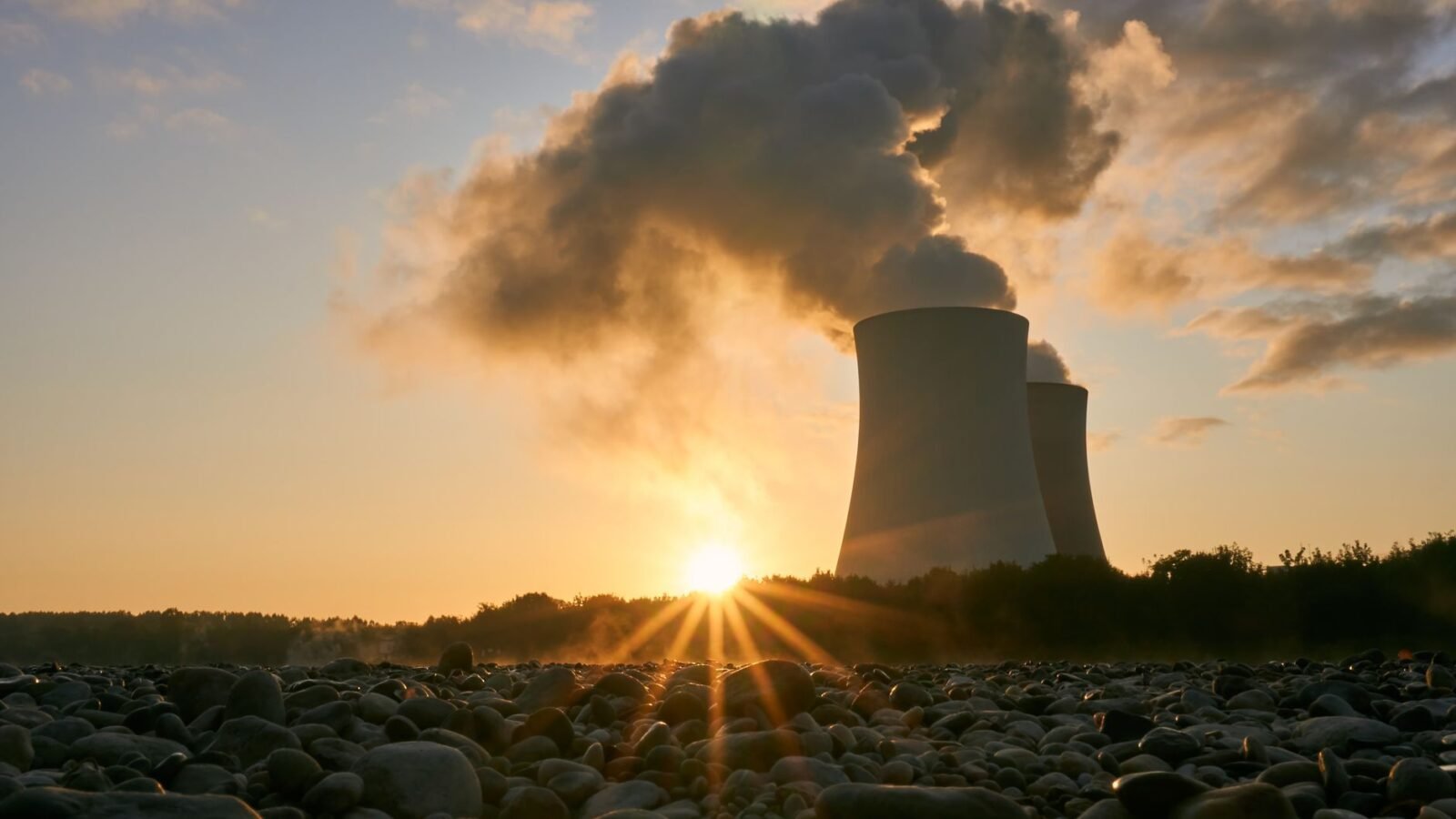
The temporary shutdown of Romania's Cernavodă nuclear power plant, responsible for one-fifth of the nation's electricity, is more than a localised grid disruption. It functions as a critical signal, revealing a profound and perhaps underappreciated vulnerability within Europe's energy infrastructure: the direct impact of climate-driven hydrological stress on baseload power generation. While much of the continent's recent energy discourse has centred on natural gas supply security and the transition to renewables, Cernavodă’s closure due to critically low Danube River levels — a consequence of sustained heatwaves and drought — demonstrates that even non-fossil fuel sources are not immune to environmental shocks. This event forces a re-evaluation of energy resilience, shifting focus from fuel commodity markets to the physical constraints imposed by an altered climate. It suggests that the energy transition, while addressing carbon emissions, may be inadvertently exposing new chokepoints related to water availability and extreme weather events.
The mechanism
The operational mechanism linking low river levels to nuclear plant shutdowns is straightforward but systemically significant. Nuclear power plants, like many thermal generators, require vast quantities of cooling water to manage the heat generated by their reactors. This water is typically drawn from nearby rivers, lakes, or coastal areas, circulated through heat exchangers, and then returned to the source, albeit at a slightly elevated temperature. When river levels fall dramatically, several problems emerge. First, the intake systems may struggle to draw sufficient water, or the water temperature itself may become too high, rendering it less effective for cooling. Second, environmental regulations often impose strict limits on the temperature of discharged water to protect aquatic ecosystems. In periods of low flow and high ambient temperatures, meeting these discharge limits becomes challenging or impossible without reducing plant output. Cernavodă's shutdown implies that either the physical availability of water dropped below critical thresholds, or the thermal discharge limits could no longer be met without risking ecological damage, or a combination of both. This mechanism extends beyond nuclear power; hydroelectric dams, which rely directly on water volume and flow rates, are similarly impacted by drought, often necessitating reduced output or complete halts. The cumulative effect across Europe's diverse energy mix could be substantial during prolonged dry periods, challenging the stability of national grids that increasingly depend on a blend of intermittent renewables and a diminishing pool of dispatchable baseload power.
Who gains and who is exposed
The immediate exposure falls on energy-intensive industries and consumers in Romania, who face higher electricity prices and potential supply instability. The broader exposure is European. Nations reliant on cross-border electricity flows, especially those with significant hydropower or river-cooled thermal generation, will feel ripple effects. Countries downstream on major rivers like the Danube, Rhine, or Elbe, which host critical infrastructure, are particularly vulnerable to upstream hydrological changes. The incident also exposes the limitations of current energy planning, which may not have fully accounted for the frequency and severity of climate-driven hydrological extremes. The beneficiaries, in the short term, are likely to be operators of power generation assets that are not reliant on river cooling or specific water levels, such as certain gas-fired plants (if gas supply is secure) or geographically diverse solar and wind farms. However, even these have their own climate-related vulnerabilities (e.g., wind lulls, extreme heat reducing solar panel efficiency). The medium-term beneficiaries may be companies specialising in grid resilience, energy storage solutions, and advanced cooling technologies that can operate effectively under stressed environmental conditions. The critical question for policymakers is whether this event accelerates investment in alternative cooling systems or prompts a more fundamental re-evaluation of where future baseload capacity should be sited, moving away from major river systems towards coastal areas or regions with more stable water resources.
Leading indicators to track
To anticipate similar disruptions and assess their systemic impact, several leading indicators warrant close monitoring. First, **regional hydrological forecasts** for major European river basins are paramount, focusing on snowpack levels in winter, spring melt rates, and long-range precipitation outlooks for summer. These provide early warnings for potential low-flow conditions. Second, **water temperature anomalies** in key river segments adjacent to power plants offer real-time insights into cooling efficacy and potential regulatory breaches. Third, **electricity forward prices** in affected regions will reflect market expectations of supply tightness and could signal impending generation shortfalls. Fourth, **national grid operator statements** regarding reserve capacity and interconnector availability will indicate the immediate buffers against supply shocks. Fifth, **public discourse and policy announcements** from national energy ministries or the European Commission regarding climate adaptation for energy infrastructure will reveal the political and regulatory response to these emerging vulnerabilities. Finally, tracking **investment trends in non-river-dependent cooling technologies** or geographically diversified power generation projects will signal long-term shifts in energy strategy. The interplay of these indicators will offer a composite picture of both the immediate risks and the strategic responses to Europe's evolving energy security landscape.
The twelve-month forecast
The Cernavodă incident is unlikely to be an isolated event. Over the next twelve months, Europe faces an elevated probability of similar climate-driven energy disruptions, particularly if current meteorological patterns persist. The immediate impact on Romania will likely involve a scramble for alternative power sources, potentially increasing reliance on fossil fuels or imports, thus complicating decarbonisation efforts. For the broader European Union, the event will likely intensify existing debates around grid resilience, the optimal energy mix, and the speed of the transition away from weather-vulnerable generation assets. While a widespread energy crisis on the scale of a major gas supply cut is not the baseline expectation, localised power restrictions or significant price spikes driven by environmental factors could become more frequent. The incident may also prompt a reassessment of what constitutes 'baseload' power in a climate-changed world, pushing for greater investment in long-duration energy storage and more flexible, distributed generation models. The crucial unknown remains the political will to enact expensive, long-term infrastructure adaptations versus the temptation to revert to more easily deployable, but potentially less sustainable, short-term fixes.
Scenario matrix
| Scenario | Probability | Confirming trigger |
|---|---|---|
| Accelerated investment in climate-resilient energy infrastructure, including advanced cooling and storage. | 40% | EU or national governments announce significant, dedicated funding for grid hardening and diversified power generation not reliant on river systems within six months. |
| Increased reliance on fossil fuels as a stopgap measure during periods of hydrological stress, slowing decarbonisation. | 35% | Multiple European nations activate emergency fossil fuel generation capacity or increase imports of conventional energy during summer or winter peaks due to climate-driven power plant outages. |
| Fragmented national responses leading to uneven energy security across the EU, exacerbating regional price disparities. | 25% | Lack of coordinated EU-level policy response to climate-driven energy vulnerabilities, evidenced by divergent national energy strategies and unaddressed cross-border grid weaknesses. |
Probabilities are estimates, not certainties. They are published so the forecast can be scored later.
Source material: BBC News