India’s Industrial Ambition: Semiconductor Fabs and Nuclear Power
Virtual Roundtable
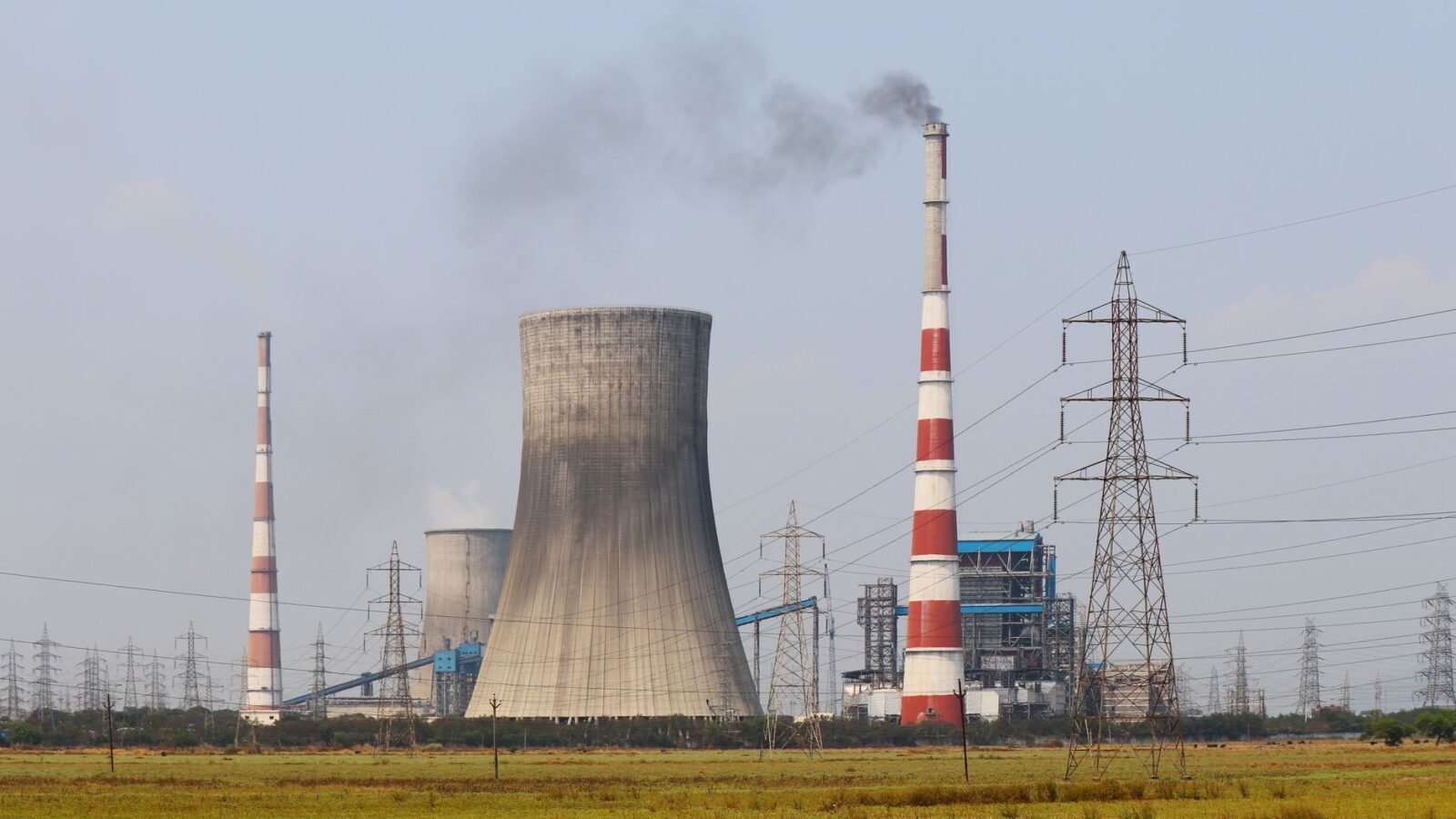
Prime Minister Modi's pledge for semiconductor fabrication and nuclear energy expansion signals a profound shift in India's industrial strategy.
The framing
Prime Minister Narendra Modi's recent pronouncements regarding India's commitment to constructing additional semiconductor fabrication facilities and expanding its nuclear reactor fleet mark a significant inflection point in the nation's industrial policy. These ambitions are framed within a broader objective: to elevate India to the status of a developed nation within the next two decades. This declaration is not merely aspirational; it outlines a strategic pivot towards self-reliance in critical technological and energy sectors, areas traditionally dominated by a select few global powers.
The pursuit of domestic semiconductor manufacturing capability addresses both economic growth imperatives and national security concerns, given the pervasive role of chips in modern infrastructure and defence. Concurrently, the expansion of nuclear energy capacity speaks to a long-term strategy for energy independence and decarbonisation, crucial for sustaining industrial growth without exacerbating environmental pressures. Both initiatives, however, demand immense capital investment, sophisticated technological transfer, and the cultivation of a highly specialised workforce, presenting substantial execution challenges for a developing economy.
Where the panel disagrees
While there is broad consensus on the strategic rationale behind India's industrial ambitions, our panel diverges on the feasibility and potential timeline for these initiatives. One perspective holds that the sheer scale of investment and the complexity of technology transfer required for advanced semiconductor manufacturing may necessitate a longer horizon than currently envisioned, potentially diverting resources from other critical development areas. A contrasting view suggests that India’s strategic geopolitical positioning and growing domestic market could attract the necessary foreign investment and technological partnerships, accelerating progress.
Similarly, on nuclear expansion, opinions vary regarding the capacity of India’s regulatory framework and industrial base to absorb and manage a rapid increase in reactor deployments. The debate centres not on the desirability of these goals, but on the practical pathways to their realisation, and the relative weighting of domestic versus international factors in determining success.
The exchange
Disclosure: This roundtable is an analytical synthesis. The panellists are composite professional personas, and no statement below is a quotation from any real person.
A semiconductor supply-chain strategist
India's ambition to build more chip plants is significant. What are the primary hurdles for a nation seeking to establish or expand advanced semiconductor fabrication domestically?
Establishing advanced semiconductor fabrication is perhaps the most capital-intensive and technologically demanding industrial undertaking globally. The primary hurdles are multifaceted: immense upfront investment, often in the tens of billions of dollars per fab; access to cutting-edge intellectual property and manufacturing equipment, which are frequently subject to export controls; and, critically, the development of a highly specialised talent pool, encompassing everything from materials science to advanced process engineering. The ecosystem required — from chemical suppliers to design houses — is also incredibly intricate and takes decades to mature. India’s existing industrial base, while substantial, is not yet deeply integrated into the highest echelons of this global supply chain, meaning it would largely have to build that infrastructure from the ground up or attract significant foreign direct investment and technology transfer on favourable terms.
A political risk consultant to institutional investors
From an investor's perspective, how does India's 'developed nation' goal, underpinned by these specific industrial projects, alter its risk profile and attractiveness for foreign capital?
For institutional investors, a clear, long-term national development strategy, particularly one focusing on high-value industrial sectors, can significantly de-risk a market. It signals policy stability and a commitment to creating an environment conducive to complex, long-horizon investments. However, the specifics matter. While the ambition is laudable, the execution risk for semiconductor fabs and nuclear reactors is substantial. Investors will scrutinise the details: the regulatory clarity, the availability of subsidies and incentives, the legal framework for technology transfer, and critically, the geopolitical stability required for such strategic assets. There's an inherent tension between national self-reliance and the global integration that foreign capital and technology demand. If India can credibly demonstrate a pathway to mitigating these execution risks, it could unlock a new tier of investment, particularly from sovereign wealth funds and long-term infrastructure investors. The question is whether the domestic market alone can absorb the output, or if export competitiveness is also a goal.
A career diplomat, recently retired
How might these moves, especially in semiconductors, be viewed by other major powers, and what are the potential geopolitical implications for India?
India's pursuit of semiconductor autonomy is almost certainly viewed through a dual lens by major powers. On one hand, it aligns with a broader global trend towards supply chain resilience, which many nations now advocate. On the other, it places India in direct competition, or at least in a parallel trajectory, with existing semiconductor hubs and their associated geopolitical alignments. For countries like the United States, it could be seen as a strategic partner strengthening its own technological base, potentially reducing reliance on East Asian production. For China, it might be viewed as a further step towards decoupling and a strengthening of rival technological blocs. The critical factor will be the extent to which India seeks to integrate with existing multilateral frameworks for technology governance versus pursuing a purely nationalistic path. The acquisition of advanced semiconductor technology is inherently a geopolitical act, and India will need to navigate these sensitivities carefully to avoid alienating potential partners or provoking undue rivalry.
A semiconductor supply-chain strategist
Given the global competition for semiconductor manufacturing, what specific advantages or disadvantages does India possess in attracting talent and investment compared to other emerging players?
India possesses a significant advantage in its vast pool of engineering talent, particularly in software and design, which forms a crucial, albeit distinct, part of the semiconductor ecosystem. Its large domestic market also offers a compelling demand-side argument for local production. However, it faces disadvantages in the highly specialised manufacturing workforce, which requires different skill sets than software development. Other emerging players, particularly in Southeast Asia, have often leveraged existing manufacturing capabilities and closer geographic proximity to established supply chains. India’s challenge is to bridge this gap, potentially through aggressive talent development programmes, partnerships with global educational institutions, and attractive incentives for repatriating diaspora talent. The cost of doing business, while lower than some developed nations, must also be weighed against the logistical complexities and infrastructure deficits that can still exist.
A political risk consultant to institutional investors
The nuclear energy expansion is a long-term play. What are the key financial and regulatory challenges for investors considering India's nuclear sector?
Nuclear power projects are characterised by exceptionally long lead times, massive capital requirements, and complex regulatory environments. For investors, this translates into significant financial challenges, primarily related to financing costs over multi-decade construction periods and the need for stable, predictable revenue streams once operational. Regulatory stability is paramount; investors need assurance that licensing, safety standards, and waste management policies will not shift capriciously. Furthermore, issues such as liability in case of accidents and the availability of domestic or international financing mechanisms play a critical role. India's existing nuclear programme has relied heavily on state-owned entities. Attracting private capital will require a transparent and internationally harmonised regulatory framework, clear power purchase agreements, and potentially, government guarantees or risk-sharing mechanisms to mitigate the unique risks inherent in nuclear projects.
A career diplomat, recently retired
Beyond the economic and technological aspects, what broader strategic message does this dual focus on semiconductors and nuclear energy send about India's long-term global ambitions?
This dual focus sends a very clear and unambiguous message: India intends to be a truly independent pole in the multipolar world order, not merely a consumer of others' technology or energy. By investing heavily in semiconductors, it signals a desire for technological sovereignty and a foundational role in the digital economy. By expanding nuclear power, it asserts its commitment to energy security and a sustainable industrial future, positioning itself as a responsible, yet self-reliant, major power. These are not just economic decisions; they are strategic declarations of intent to reduce vulnerabilities, enhance strategic autonomy, and project power and influence commensurate with its demographic and economic potential. It suggests a long-term vision of leadership, not just participation, in global governance and technological advancement.
Source material: Bloomberg Markets