Cross-border strikes escalate, challenging red lines in Lebanon-Israel conflict
Trending Global
Recent Israeli strikes in southern Lebanon, following alleged Hezbollah actions, suggest a recalibration of acceptable military responses.
What just happened
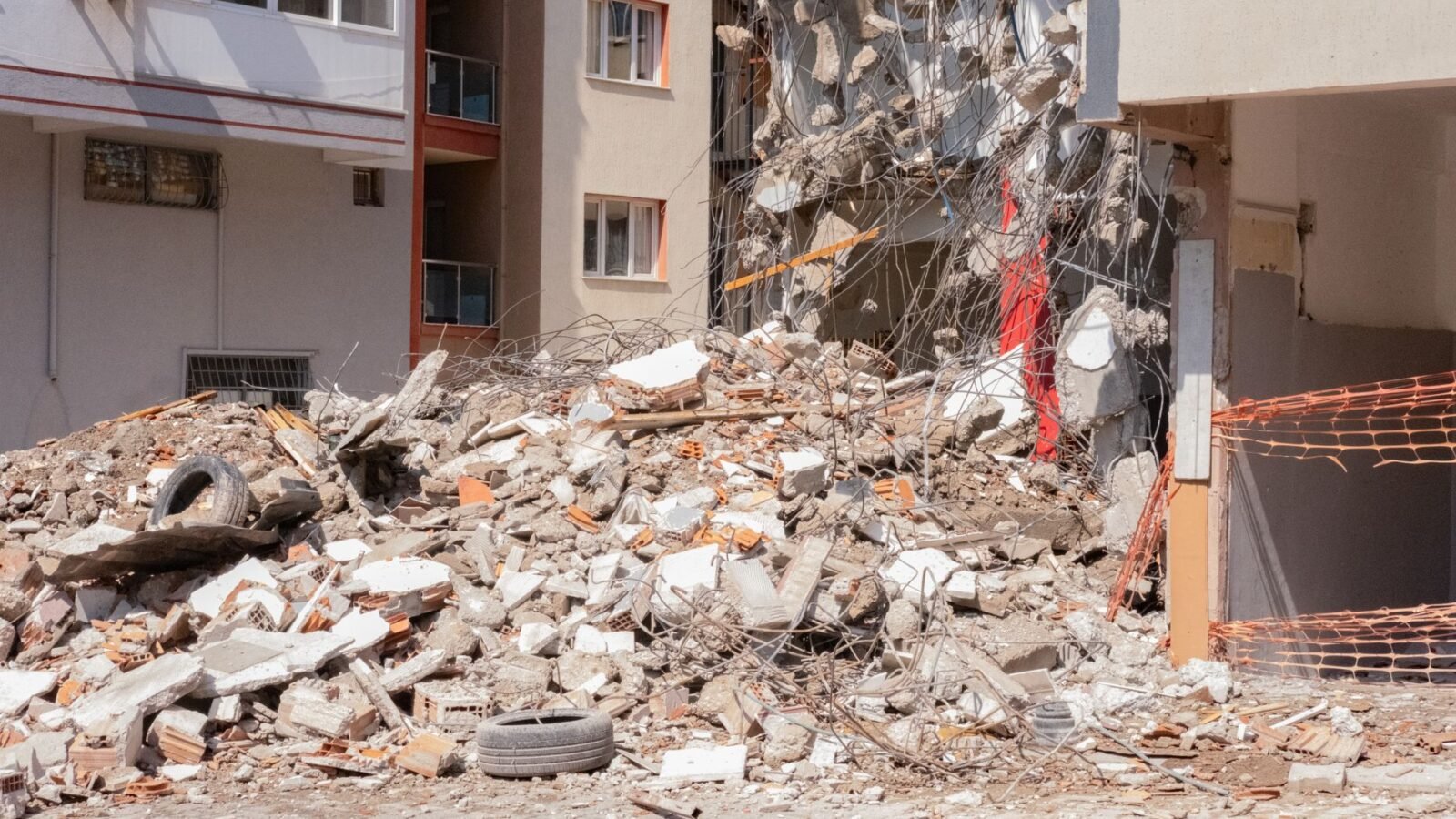
Israeli military forces conducted strikes on targets in southern Lebanon, described as 'Hezbollah terror infrastructure'. These actions were presented as a direct response to earlier alleged hostile engagements against Israeli soldiers. Lebanese authorities have reported eleven fatalities resulting from these strikes. The exchange represents a notable increase in the intensity and lethality of cross-border incidents, moving beyond the more constrained and often symbolic retaliations that have characterised much of the recent friction.
Why it is contested
The significance of these strikes lies not merely in their occurrence, but in what they signal about the evolving calculus of engagement between Israel and Hezbollah. For years, an unwritten understanding has largely delimited the scope and nature of retaliatory actions, aiming to prevent a full-scale regional conflagration. This implicit compact, while frequently tested, has generally held, allowing for tit-for-tat exchanges without triggering broader military mobilisation or civilian targeting on a large scale. The current incident, particularly with the reported casualty count, challenges the durability of this established, albeit fragile, equilibrium. The question is whether this marks a temporary spike within existing parameters, or a deliberate attempt by one or both parties to redefine those parameters.
The competing narratives
One prevalent interpretation posits that Israel's actions represent a reassertion of deterrence, a clear signal that any perceived aggression against its forces will be met with a disproportionate, and increasingly costly, response. Proponents of this view argue that the severity of the strikes aims to restore a deterrent posture that may have eroded, forcing Hezbollah to reconsider the implications of its actions. The strongest objection to this reading is that such a strategy carries inherent escalatory risks; a more aggressive deterrent may provoke, rather than prevent, a stronger counter-response, thereby unwinding any existing de-escalatory mechanisms. If the intention was purely deterrent, a more calibrated response might have been expected.
An alternative narrative suggests that the strikes indicate a deliberate, if gradual, raising of the threshold of acceptable violence by one or both sides, possibly in response to perceived shifts in regional power dynamics or internal political pressures. Under this view, the incident is less about deterrence within existing rules and more about a strategic recalibration of those rules themselves. The aim might be to test the other side's resolve or to establish new 'red lines' through direct action. The primary objection here is that such a strategy is inherently destabilising. Deliberately altering established parameters of conflict without clear communication or understanding risks miscalculation, potentially spiralling into an unintended wider conflict that neither side genuinely desires, but which they become unable to halt.
What to watch next
The immediate focus will be on the nature and timing of any subsequent response from Hezbollah. A highly constrained or delayed reaction might suggest an attempt to de-escalate or revert to previous understandings, absorbing the costs of the recent strikes without seeking further immediate confrontation. Conversely, a response that mirrors or exceeds the recent Israeli action in its lethality or scope would strongly indicate a move towards a new, more volatile phase of engagement. Beyond direct military responses, observers should monitor rhetorical shifts from key regional actors and international mediation efforts, which could either reinforce existing boundaries or signal their breakdown. The composition and targeting of any future strikes will be critical indicators of whether this escalation represents a temporary deviation or a more fundamental shift in the conflict's trajectory.
The bottom line
The recent strikes in southern Lebanon underscore the persistent fragility of the regional security architecture. While the immediate cause is attributed to specific actions, the deeper question remains whether the unwritten rules that have historically prevented wider conflict are now under fundamental challenge. Is this a return to a more aggressive form of deterrence, or the beginning of a deliberate, if perilous, redefinition of the terms of engagement? The answer will likely dictate the stability of the entire Levant in the coming months.
Source material: BBC News