Ukraine’s Escalation: Strategic Shift or Retaliatory Cycle?
Trending Global
The significant Ukrainian strikes against Russia prompt a re-evaluation of military objectives and the potential for a new phase of the war.
What just happened
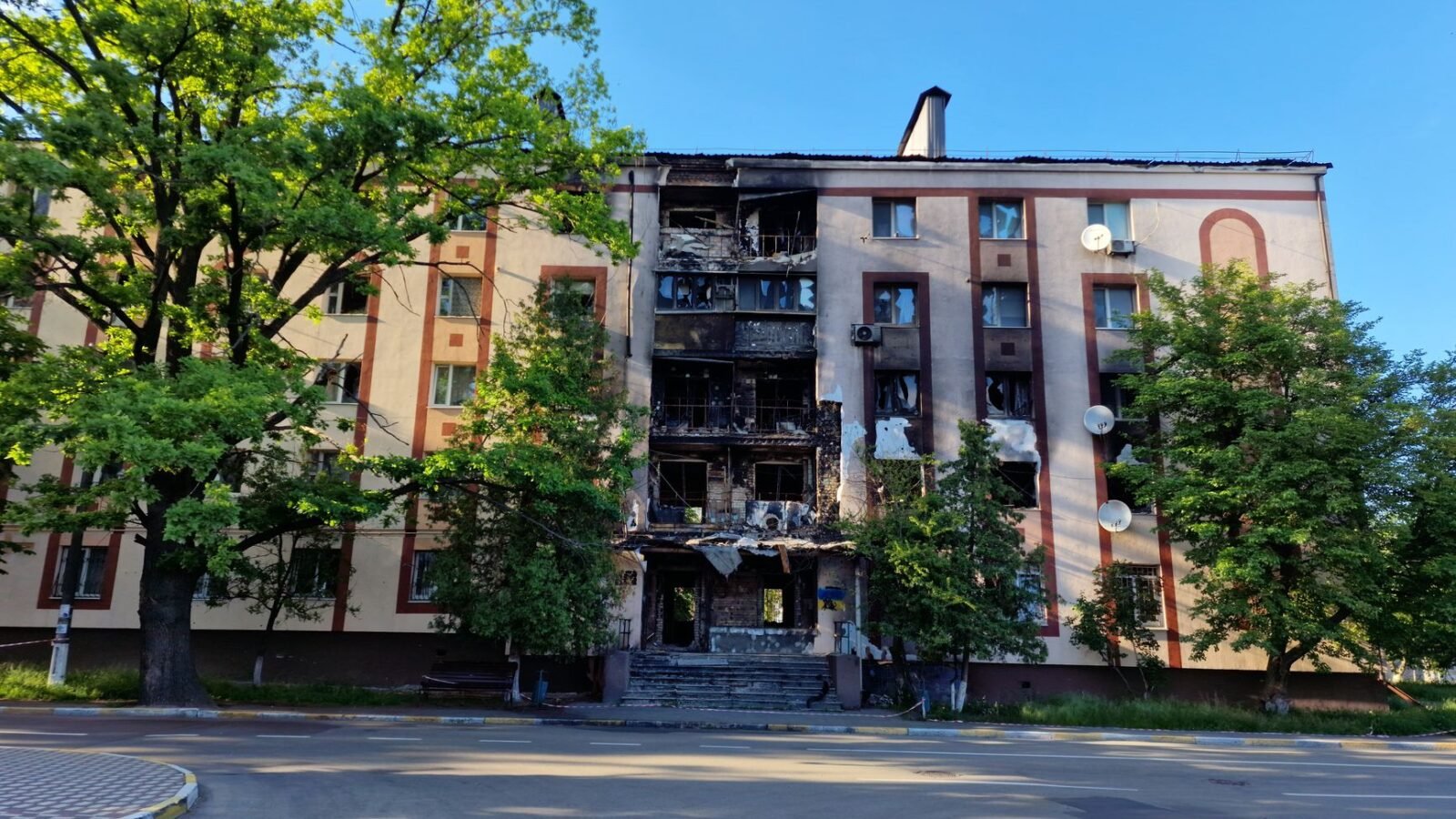
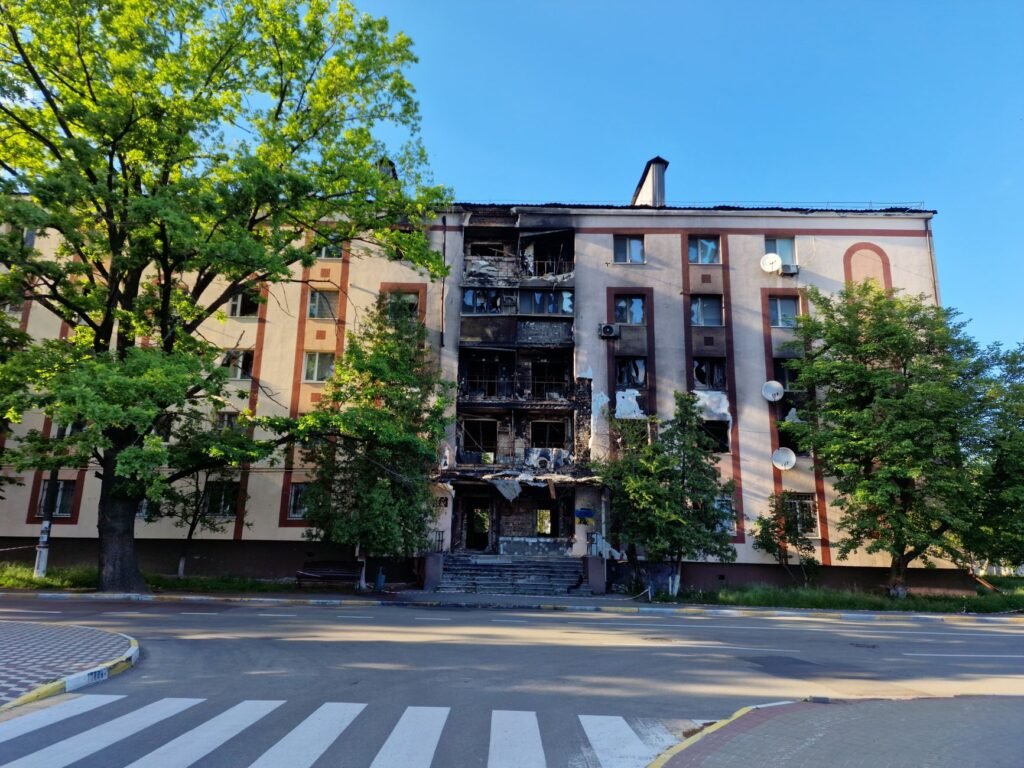
Reports from Moscow indicate that Ukraine launched its most extensive attack on Russian territory to date, resulting in at least seven fatalities. This operation represents a significant increase in the scale and intensity of Ukrainian cross-border actions. Concurrently, Russia conducted its own deadly strikes against Ukrainian targets, including the capital, Kyiv, sparking widespread fires. The synchronicity of these events suggests a highly active and reciprocally destructive phase of the conflict.
Why it is contested
The strategic interpretation of Ukraine's intensified cross-border operations is subject to considerable debate. Is this a deliberate shift in strategy, aimed at altering the operational calculus of the conflict, or is it primarily a retaliatory response, designed to mirror the aggression faced by Kyiv? The distinction is crucial, as it dictates the potential future trajectory of hostilities. A strategic shift implies a sustained campaign to project power deeper into Russian territory, whereas a retaliatory posture suggests a more reactive, albeit still destructive, cycle of strikes and counter-strikes. The immediate impact of the attacks, while tragic, does not definitively resolve this ambiguity, leaving analysts to weigh competing explanations for the timing and scale of the Ukrainian action.
The competing narratives
One prevalent narrative posits that the latest Ukrainian attacks represent a calculated strategic pivot. Proponents of this view argue that Ukraine, facing sustained pressure on its front lines and a perceived need to disrupt Russian logistics and morale, is now deliberately expanding the geographical scope of the conflict. This strategy would aim to compel Russia to divert resources to defend its own territory, thereby alleviating pressure on Ukrainian forces and potentially influencing Russian public opinion. The strongest objection to this reading is the inherent risk of further escalation. Such a strategy could provoke a disproportionate Russian response, potentially involving more advanced or destructive weaponry, which Ukraine may be ill-equipped to counter.
An alternative interpretation frames these actions primarily as a form of retaliatory parity. Under this view, Ukraine is responding to continuous Russian aggression, particularly the recent deadly strikes on Kyiv, by demonstrating an equivalent capacity to inflict damage. This narrative suggests that the objective is less about achieving a decisive strategic advantage and more about deterrence through symmetrical response – signalling that Russian attacks will not go unpunished. The primary challenge to this interpretation is its sustainability. A purely retaliatory cycle risks an endless escalation loop, where each side feels compelled to match or exceed the other's aggression, without necessarily achieving a clear military or political objective. It also fails to account for the operational planning and resource allocation required for an attack of this reported scale, which might suggest a deeper strategic design than mere reaction.
What to watch next
The immediate aftermath of these strikes will be critical in discerning their true intent. Observers will be scrutinising the nature and frequency of subsequent Ukrainian operations: do they continue to target Russian territory with similar intensity, or do they revert to a more localised pattern? Further, the specific types of targets chosen – military infrastructure, logistics hubs, or population centres – will offer additional clues regarding strategic objectives. Similarly, the nature of Russia's response beyond immediate counter-strikes will be telling. Any shift in Russian rhetoric, force deployment, or targeting priorities could indicate how Moscow perceives this escalation and its potential implications for the broader conflict. The diplomatic responses from international actors will also be important, particularly concerning any calls for de-escalation or condemnations of cross-border attacks.
The bottom line
The recent, intensified Ukrainian strikes on Russian territory, while tragic in their immediate consequences, leave a critical question unanswered: are these operations part of a newly adopted, broader strategic campaign to shift the war's dynamics, or are they primarily a robust, albeit dangerous, manifestation of retaliatory action? The distinction is not merely academic; it will profoundly shape the expectations for future conflict escalation and the prospects for any eventual de-escalation, leaving the international community to anticipate whether this marks a fundamental reorientation of the conflict or merely another turn in a destructive cycle.
Source material: BBC News