Kyiv Market Strike: Assessing Russian Strategic Intent Beyond the Immediate Target
Virtual Roundtable
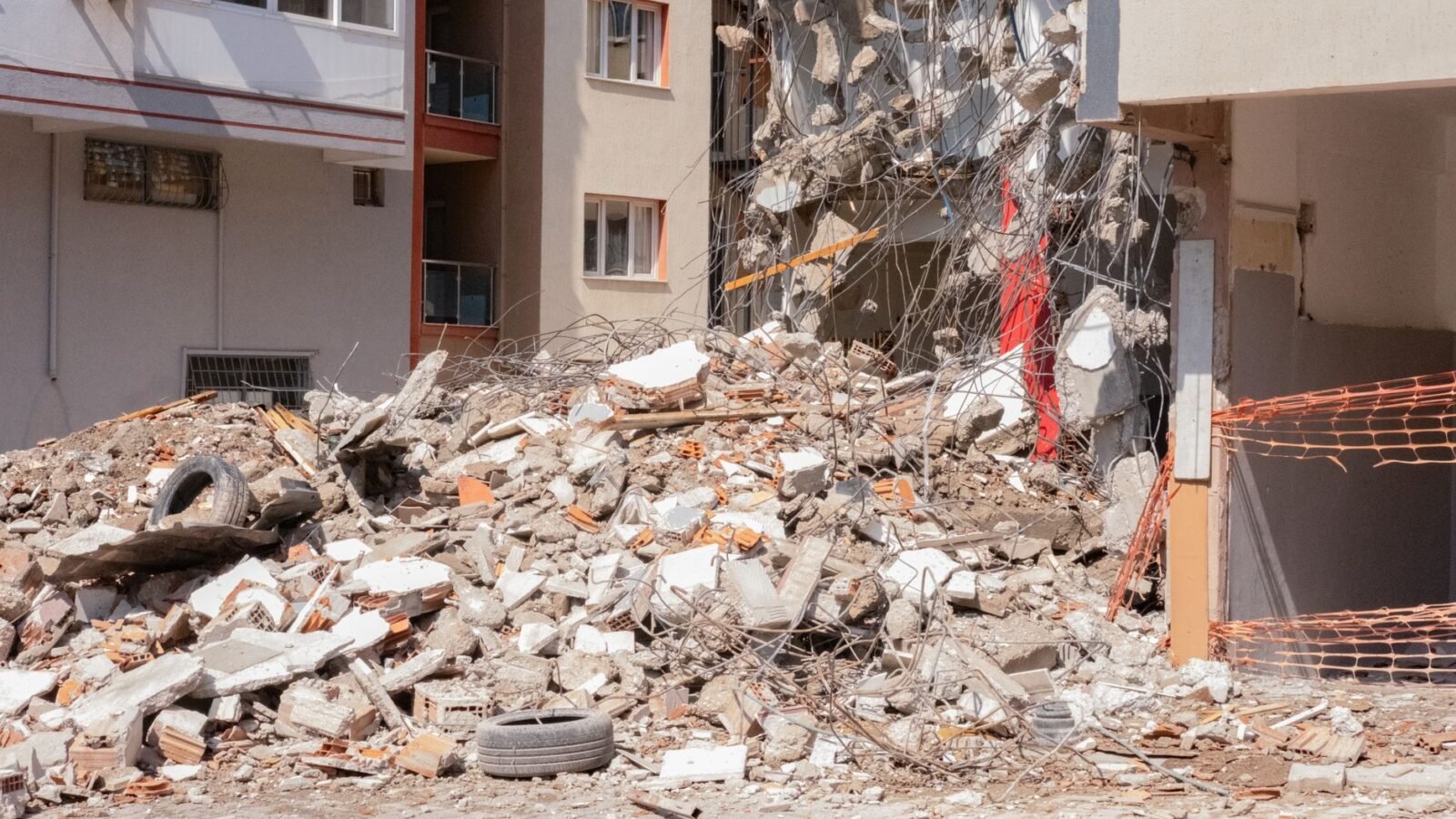
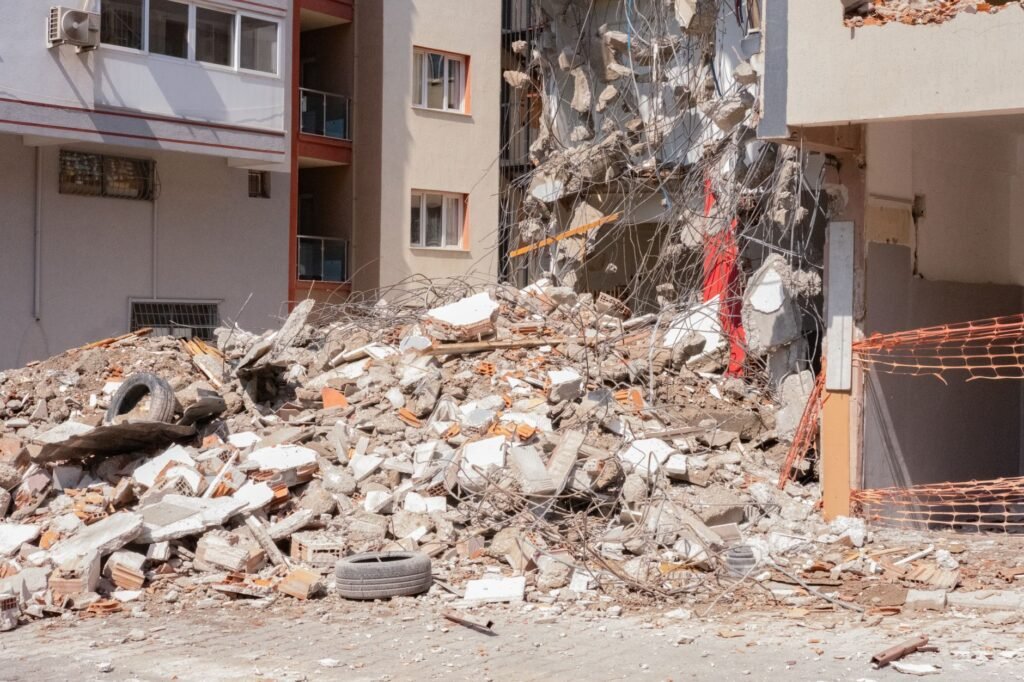
The recent strike on a Kyiv market, while causing immediate casualties, prompts a deeper examination of Russian military objectives and the broader implications for urban resilience.
The framing
The recent strike on a second-hand market in Kyiv, resulting in six injuries, offers a stark reminder of the persistent threat to Ukrainian urban centres, even those ostensibly distant from active front lines. While the immediate human cost is evident, the strategic significance of such an attack warrants careful consideration. Was this an incidental targeting error, a deliberate act of terror, or does it signal a more nuanced shift in Russian operational objectives?
Analysts are divided on whether strikes against civilian infrastructure, particularly those with limited military utility, aim primarily to degrade Ukrainian air defence systems by forcing their activation, or if they are primarily psychological operations designed to undermine public morale and disrupt daily life. The nature of the target – a market selling records, posters, toys, and tools – complicates any easy interpretation of military necessity. This event compels a re-evaluation of the evolving dynamics of urban warfare and the resilience required to sustain a protracted conflict.
Where the panel disagrees
The core disagreement among our panel revolves around the primary intent behind such strikes. One perspective posits that these attacks, regardless of target, are fundamentally about exhausting Ukrainian air defence resources and probing for vulnerabilities. Every intercepted projectile, even one aimed at a civilian target, consumes a scarce resource. A competing view suggests that the psychological impact on the civilian population is paramount, aiming to create a sense of pervasive insecurity that can erode support for the war effort and disrupt economic stability. A third interpretation questions the precision of Russian targeting, suggesting that collateral damage to civilian areas might be an accepted, rather than primary, outcome of attempts to strike facilities perceived as having dual-use potential or simply to maintain pressure on urban areas. The question of whether these are calculated strategic moves or merely a continuation of an indiscriminate pattern remains central to understanding the conflict's trajectory.
The exchange
Disclosure: This roundtable is an analytical synthesis. The panellists are composite professional personas, and no statement below is a quotation from any real person.
A defence procurement analyst
What does a strike on a civilian market, far from the front, tell us about Russian targeting priorities?
Such an incident, particularly given the nature of the target – a second-hand market – presents a complex signal. It could suggest several things. One possibility is that the strike was not precisely aimed at the market itself, but rather at a nearby target of perceived military utility, with the market as collateral damage. Russian precision guidance has been inconsistent. Another reading is that these strikes are intended to force the activation of Ukrainian air defence assets, probing for weaknesses or expending valuable interceptor munitions. Every engagement, regardless of the target's value, consumes resources. A third, more cynical interpretation is that the target's civilian nature is precisely the point: to sow terror and undermine civilian morale, demonstrating that no location is truly safe, even in the capital.
A political risk consultant to institutional investors
How do such attacks impact civilian morale and the broader economic stability of Kyiv?
The immediate economic impact of a single market strike, while tragic for those affected, is unlikely to significantly alter Kyiv's macro-economic stability. However, the cumulative psychological effect is far more insidious. Persistent, seemingly indiscriminate attacks on civilian areas, even if small-scale, foster a pervasive sense of insecurity. This can lead to increased capital flight, reduced foreign investment, and a general reluctance for businesses to expand or even maintain operations, particularly those dependent on predictable consumer behaviour. The long-term risk is not a single economic shock, but a gradual erosion of confidence that impedes post-conflict recovery planning and makes the city less attractive for returnees or new ventures. It's a strategy designed to make daily life incrementally more difficult and uncertain.
A career diplomat, recently retired
From a diplomatic perspective, what message do these types of strikes send, both domestically and internationally?
Internationally, such strikes reinforce the narrative of Russian aggression and indiscriminate targeting, further solidifying Western support for Ukraine, albeit perhaps not increasing it. It makes any diplomatic off-ramp more challenging to construct, as the perceived barbarity of the attacks hardens positions. Domestically, for Russia, the message is one of continued resolve, regardless of international opprobrium. For Ukraine, it is a test of resilience. The diplomatic challenge for Ukraine is to leverage these incidents to maintain donor commitment and expedite the delivery of more sophisticated air defence systems, framing these attacks as not just against Ukraine, but against the principles of international humanitarian law. The question becomes whether the international community's outrage translates into concrete, accelerated assistance, or merely into further condemnations.
A defence procurement analyst
Does this type of strike suggest a shift in Russian capabilities or strategy regarding long-range attacks?
It's difficult to conclude a definitive shift in capabilities from a single incident. Russia has consistently demonstrated the ability to strike deep into Ukrainian territory. What it might indicate, however, is a strategic choice regarding resource allocation. If fewer high-value military targets are presenting themselves, or if the objective is to deplete Ukrainian air defence, then even less militarily significant targets may become acceptable. It could also suggest a continued reliance on older, less precise munitions, or a willingness to accept higher collateral damage. The critical question is whether this reflects a new doctrine of urban attrition or simply a continuation of existing patterns of pressure, perhaps with a reduced inventory of preferred munitions.
A political risk consultant to institutional investors
What specific indicators would you monitor to assess the true impact of these attacks on Ukraine's long-term economic outlook?
I would closely watch several indicators beyond immediate damage assessments. First, foreign direct investment inflows and outflows: a sustained decline, particularly in sectors not directly related to the war effort, would be a strong signal of eroding confidence. Second, internal migration patterns: if residents, particularly skilled labour, begin to permanently relocate from major cities like Kyiv, it indicates a failure to restore a sense of security. Third, consumer spending and business sentiment surveys: a prolonged depression in these metrics suggests that the psychological impact is translating into tangible economic contraction. Finally, the premium on war risk insurance for businesses operating in Ukraine would be a real-time indicator of perceived risk among the international financial community. These collective signals provide a more robust picture than individual incident analysis.
A career diplomat, recently retired
Considering the ongoing diplomatic efforts, how does an event like this complicate potential peace negotiations or future security arrangements?
Such attacks significantly complicate any pathway to meaningful negotiation. They deepen mistrust and make it harder for either side to articulate a credible vision for future security. For Ukraine, agreeing to any cessation of hostilities that does not guarantee an end to such strikes becomes politically untenable. For Russia, ceasing these operations without achieving stated objectives could be seen as weakness. The incident reinforces the maximalist positions on both sides and makes the concept of 'security guarantees' for Ukraine post-conflict even more complex to define and implement. It raises the fundamental question: how can a durable peace be forged when one party demonstrates a willingness to inflict civilian harm, and the other must constantly defend against it? The path to a stable future feels longer, not shorter, after events like this.
Source material: BBC News