Hawaii’s rebuilding test: Climate resilience and disaster finance
Predictive Analysis
The immediate devastation from Hurricane Lala in Hawaii will force a re-evaluation of the state's long-term climate adaptation strategies and the financial mechanisms underpinning disaster recovery.
The signal
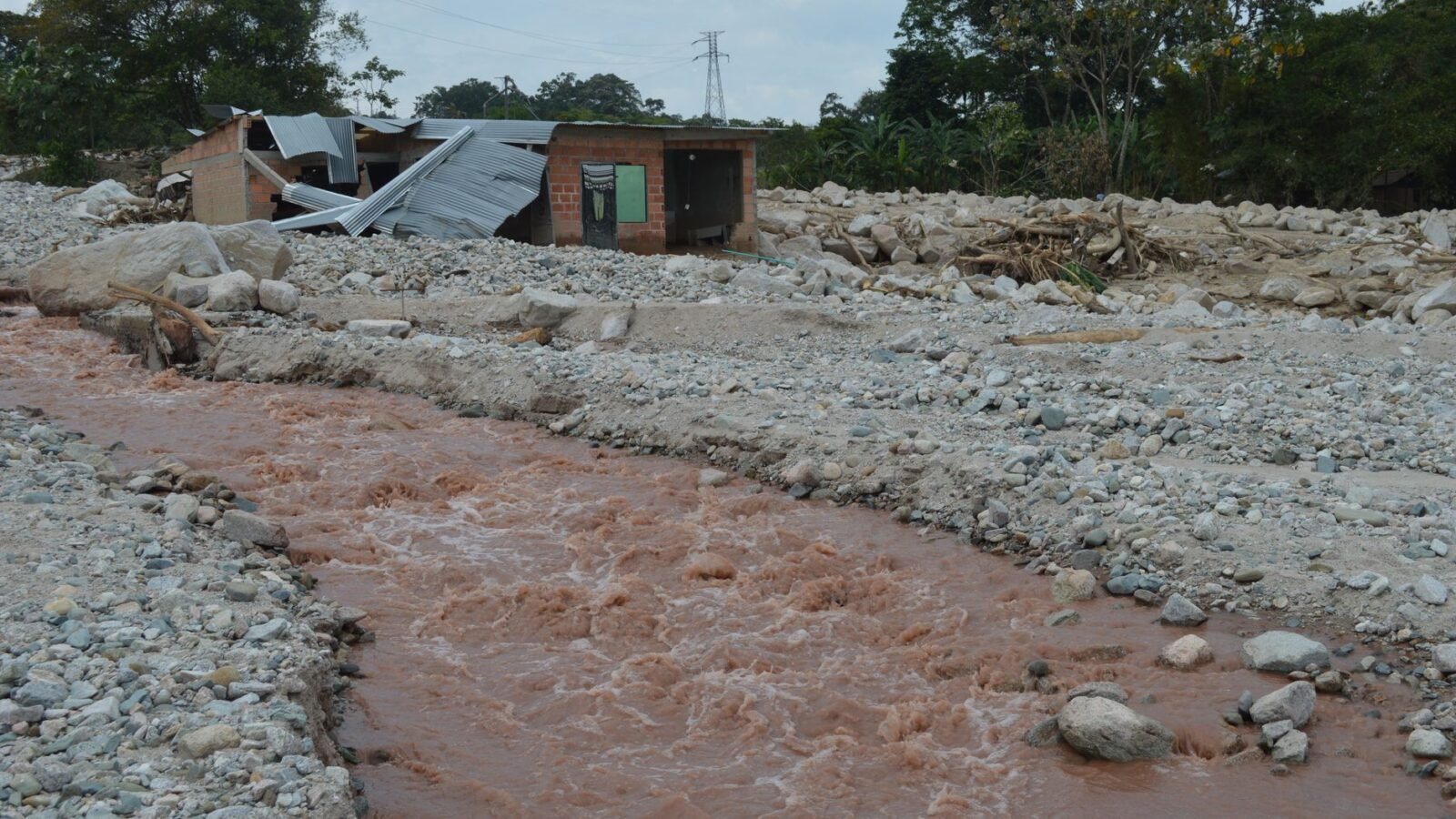
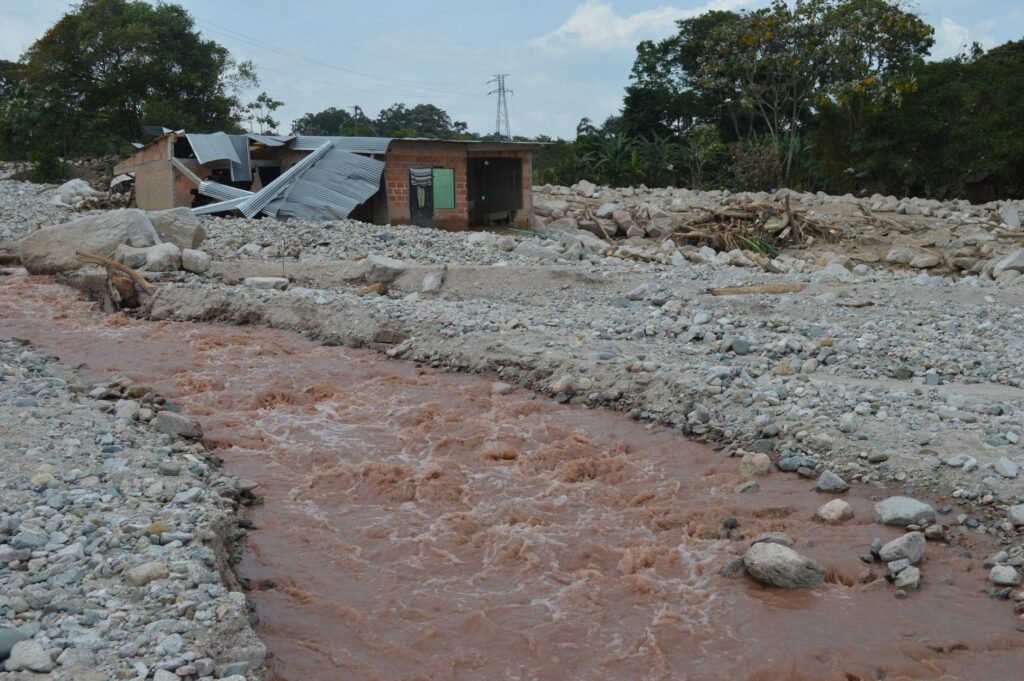
The immediate aftermath of Hurricane Lala, with reports of flash flooding potentially sweeping away homes and their occupants, serves as a stark signal regarding the escalating risks faced by isolated island economies. While the human tragedy is paramount, the event also illuminates a deeper systemic challenge: the confluence of intensifying climatic phenomena with the inherent fragilities of remote infrastructure. Hawaii, despite its advanced economy and disaster preparedness protocols, remains susceptible to events that exceed historical planning parameters. This incident is not merely a weather event; it is a stress test of the state's adaptive capacity and a precursor for similar challenges globally, particularly for vulnerable coastal and island regions.
The scale of reported destruction, even if localised, suggests that existing safeguards may be insufficient against the upper tail of meteorological events. This implies a potential mispricing of climate risk in infrastructure planning and insurance markets. The signal is therefore two-fold: an immediate humanitarian crisis and a longer-term question regarding the solvency and sustainability of current approaches to climate resilience in geographically isolated, highly developed areas.
The mechanism
The mechanism through which Hurricane Lala's impact will propagate beyond immediate recovery is primarily financial and logistical. Firstly, the destruction of housing stock, particularly if occupied, will trigger a rapid assessment of federal and state disaster relief mechanisms. The allocation of funds for emergency response, temporary housing, and long-term rebuilding will stress existing budgets, especially if the damage is more extensive than initial reports suggest. This will inevitably lead to debates over cost-sharing and the criteria for federal assistance, potentially accelerating calls for reform in disaster finance.
Secondly, rebuilding in an isolated geography like Hawaii introduces significant logistical complexities. Construction materials, skilled labour, and heavy equipment must be shipped over long distances, inflating costs and extending timelines. This supply chain vulnerability is a critical, often overlooked, mechanism that transforms a natural disaster into a protracted economic challenge. The scarcity of local resources means that recovery efforts will be highly dependent on external supply lines, making them susceptible to global commodity price fluctuations and shipping disruptions. This mechanism ensures that the economic impact will be felt long after the waters recede and the winds abate, testing the resilience of local economies to absorb sustained inflationary pressures in critical sectors.
Who gains and who is exposed
In the immediate aftermath, emergency services, disaster relief organisations, and certain segments of the construction industry will see increased activity. However, the long-term calculus of 'gain' is more nuanced. Manufacturers and suppliers of resilient building materials, as well as firms specialising in climate-adaptive infrastructure design, may find new opportunities as rebuilding efforts prioritise future-proofing. Engineering consultancies focused on flood mitigation and coastal protection could also see heightened demand. The federal government, by demonstrating robust support, may accrue political capital, though this is contingent on the efficacy and speed of its response.
Conversely, exposure is widespread. Homeowners, particularly those under-insured or lacking flood insurance, face profound financial losses. Local businesses, especially those dependent on tourism or local consumer spending, will suffer from disrupted operations and reduced demand. The state and local governments are exposed to increased fiscal strain from unbudgeted recovery costs and potential declines in tax revenue. Insurers face significant payouts, which could lead to upward pressure on premiums across the region, potentially making insurance less accessible or affordable in the future. Furthermore, the event exposes the vulnerability of Hawaii's economic model, which relies heavily on tourism and a stable environment. A perception of increased risk from extreme weather could deter future investment and tourism, creating a compounding negative effect.
Leading indicators to track
Several leading indicators will offer insight into the trajectory of Hawaii's recovery and the broader implications for climate resilience policy. The immediate indicator will be the official damage assessment figures, particularly the estimated cost of uninsured losses and the number of homes deemed uninhabitable. These figures will dictate the scale of federal intervention and the pressure on state resources. Closely related will be the speed and scope of federal disaster declarations and funding allocations, which will signal the level of political commitment to a robust recovery.
Beyond initial assessments, observe the trajectory of insurance premium adjustments in Hawaii. Any significant, broad-based increases will indicate a re-rating of climate risk by the private sector, potentially influencing property values and future development. Track the availability and cost of construction materials and skilled labour in the region; sustained bottlenecks or price spikes will signal protracted rebuilding timelines and inflationary pressures. Finally, monitor legislative proposals at both state and federal levels concerning climate adaptation funding and infrastructure hardening mandates. These will reveal whether the disaster has catalysed a fundamental shift in policy or merely resulted in incremental adjustments. A proposal for a dedicated, long-term climate resilience fund, rather than ad-hoc disaster relief, would be a strong indicator of a strategic pivot.
The twelve-month forecast
Over the next twelve months, Hawaii will grapple with the immediate aftermath of Hurricane Lala, transitioning from emergency response to the initial phases of long-term recovery. The political discourse will likely pivot from immediate relief to the more complex questions of prevention and future resilience. Expect heightened scrutiny of building codes, land-use planning in flood-prone areas, and the state's overall preparedness for severe weather events. The economic impact will begin to clarify, with potential for localised labour shortages in construction and sustained inflationary pressures on essential goods due to supply chain disruptions. The question of whether this event will trigger a substantive shift in federal climate adaptation policy, moving beyond reactive disaster aid to proactive investment in resilience, will remain open. The political will required for such a shift, especially in an election cycle, may prove to be the most critical variable.
Scenario matrix
| Scenario | Probability | Confirming trigger |
|---|---|---|
| Protracted, under-resourced recovery with limited policy shift | 55% | Federal aid is allocated based on existing formulas without substantial new funding or legislative mandates for enhanced climate resilience; insurance premiums rise significantly, but no new state-backed risk pools emerge. |
| Accelerated recovery driven by significant federal and private investment in climate-resilient infrastructure | 30% | A new federal legislative package specifically targets climate adaptation for vulnerable regions, allocating substantial, multi-year funding, and private insurers or investors launch new resilience bonds or funds for Hawaii. |
| Hybrid approach: Moderate federal aid combined with local policy innovation and private sector adaptation | 15% | Federal aid provides baseline support, but Hawaii independently implements stricter building codes, invests in innovative local resilience projects, and attracts private sector investment in green infrastructure, without a major federal policy overhaul. |
Probabilities are estimates, not certainties. They are published so the forecast can be scored later.
Source material: BBC News