Trump links ROK drill reduction to Iran war non-participation
Trending Global
The US President has explicitly connected a reduction in joint military exercises with South Korea to its refusal to join an unspecified 'Iran war effort'.
What just happened
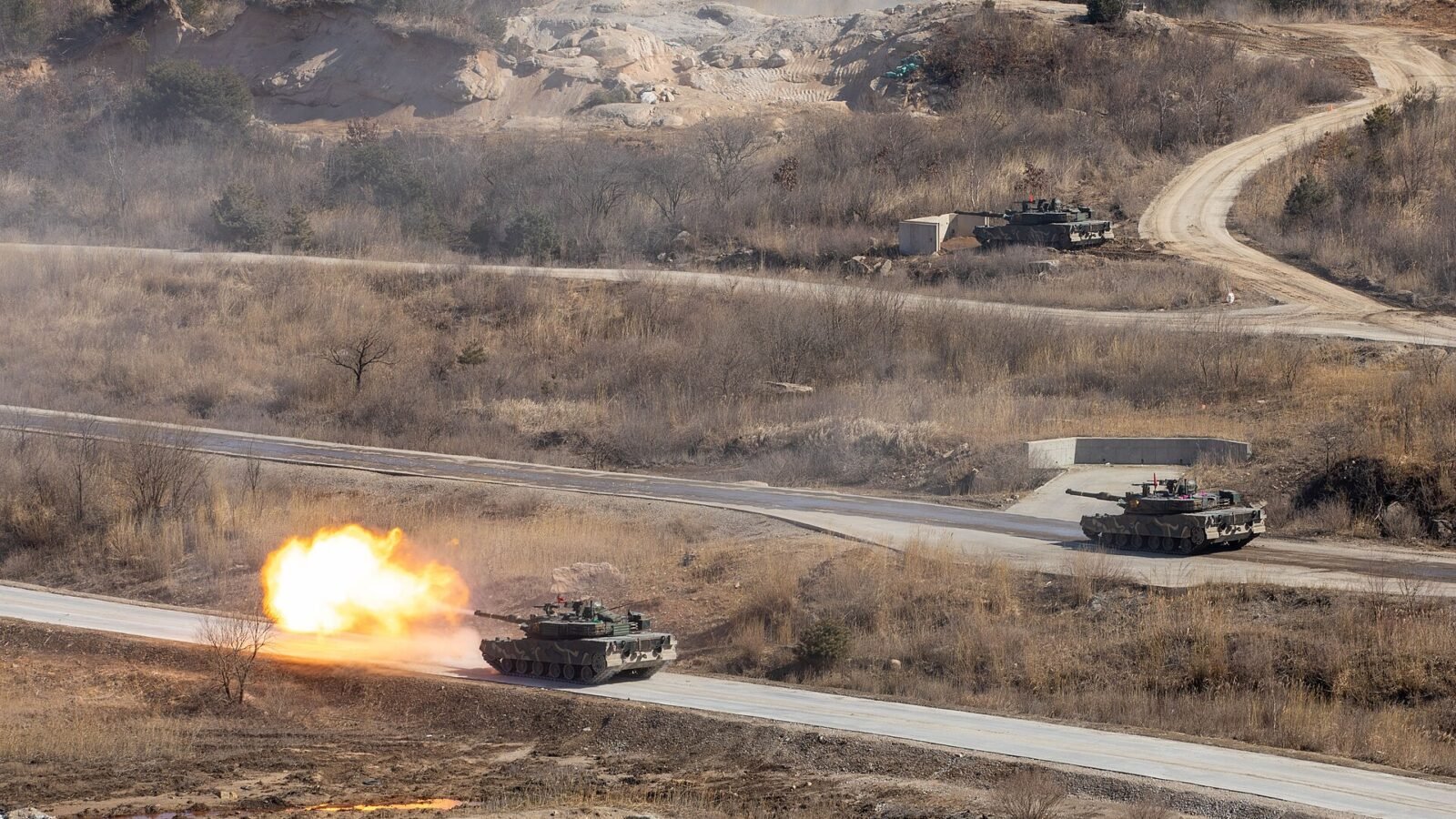
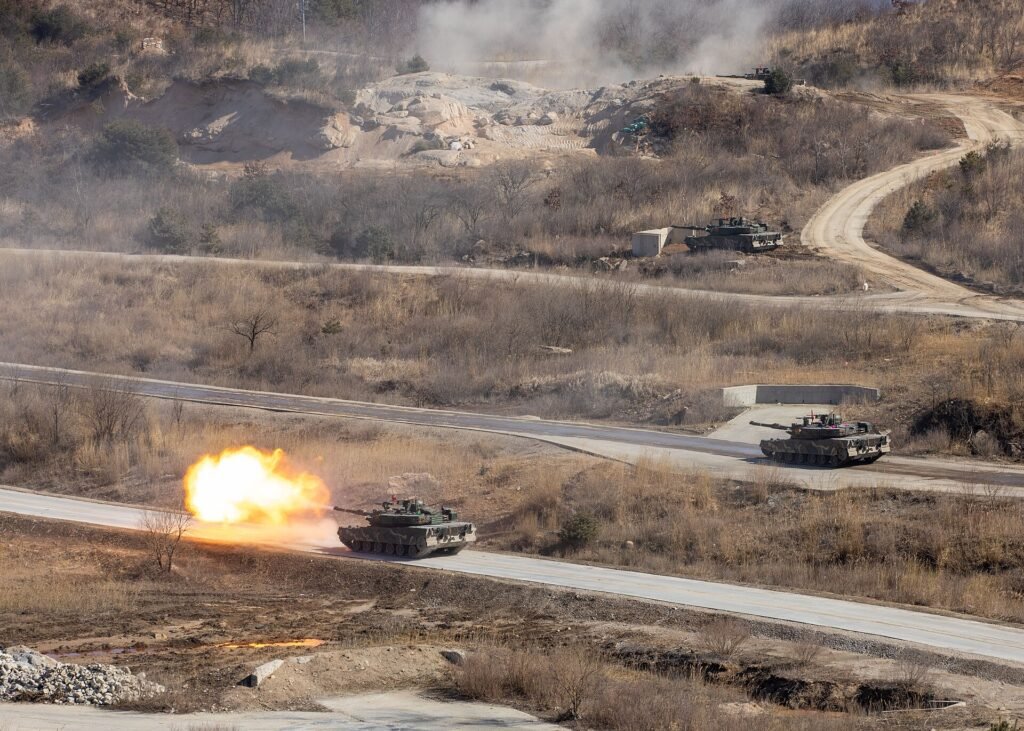
President Trump has stated that the United States will reduce the scope of its military exercises with South Korea. This decision, as articulated by the President, is directly tied to South Korea's recent refusal to contribute to an unspecified 'Iran war effort'. The announcement marks a departure from the established framework of US-ROK defence cooperation, which has historically focused on deterrence against North Korea through regular, large-scale joint drills. The President's remarks introduce a new conditionality to these long-standing arrangements, suggesting that alliance benefits are now contingent on participation in US-led military initiatives beyond the immediate scope of the bilateral defence treaty.
The precise nature of the 'Iran war effort' remains undefined in the President's statement, leaving open whether this refers to a past, ongoing, or hypothetical future conflict. Nevertheless, the explicit linkage between Seoul's non-participation and the subsequent curtailment of military exercises indicates a shift towards a more transactional understanding of alliance obligations. This development signals a potential recalibration of US foreign policy, where the continued robustness of security partnerships may be assessed through a broader lens of support for American strategic objectives, even those unrelated to the direct defence of the ally.
Why it is contested
The President's assertion that the reduction in drills is a direct consequence of South Korea's non-involvement in an 'Iran war' introduces a significant point of contention. Traditional alliance structures are predicated on mutual security interests and collective defence, typically defined by specific treaty obligations. To link the operational readiness of a bilateral defence posture to an ally's participation in a geographically distant and unrelated military endeavour challenges this foundational understanding. Critics argue that such an approach risks undermining the very purpose of these alliances, potentially weakening deterrence in critical theatres by making defence cooperation conditional on extraneous factors.
Furthermore, the ambiguity surrounding the 'Iran war effort' itself complicates any assessment. Without a clear definition of what South Korea allegedly declined to support, the justification for scaling back drills remains opaque. This lack of specificity makes it difficult for observers to discern whether the President's statement reflects a genuine security grievance, a strategic reorientation, or a punitive measure designed to enforce a broader foreign policy alignment. The implications for other US allies, who might also face similar pressures to contribute to diverse US-led operations, are considerable.
The competing narratives
One prevailing interpretation suggests that the President's move is a deliberate attempt to enforce a more equitable burden-sharing within US alliances. From this perspective, allies are expected to contribute not just to their own defence, but also to broader American strategic interests globally. South Korea's refusal to engage in the 'Iran war effort' could be viewed as a failure to meet these expanded expectations, prompting a recalibration of US security commitments. The strongest objection to this reading is that it risks alienating allies and creating a disincentive for cooperation, as partners may perceive their security as less assured if it is tied to unrelated foreign policy choices.
An alternative narrative posits that this decision reflects a deeper, perhaps more cynical, transactionalism in US foreign policy, where security guarantees are treated as commodities to be traded for political or military favours. Under this view, the 'Iran war effort' serves as a pretext for reducing military expenditure or exerting leverage, rather than a genuine strategic imperative. The primary objection here is that such an approach could inadvertently empower adversaries by signalling a weakening of alliance resolve and predictability, potentially inviting greater regional instability. It also raises questions about the long-term viability of US leadership in global security.
What to watch next
The immediate focus will be on the specifics of the announced drill reductions. What scale of exercises will be curtailed, and what impact will this have on the combined readiness of US and South Korean forces? Equally critical will be the response from Seoul, both publicly and through diplomatic channels, as it navigates the implications for its own security posture and its relationship with Washington. Any statements from South Korean officials regarding their understanding of the 'Iran war effort' or their future defence cooperation plans will be highly scrutinised.
Beyond the bilateral relationship, observers will be watching for signals regarding the application of this new conditional approach to other US alliances. Will other partners be presented with similar demands for participation in geographically distant conflicts? The degree to which this policy is consistently applied, or if it remains an isolated incident, will determine whether it represents a fundamental shift in US alliance strategy or a specific response to a particular perceived grievance.
The bottom line
The President's explicit linkage of US-ROK military drills to South Korea's non-participation in an 'Iran war effort' undeniably introduces a new dynamic into alliance politics. It forces a re-evaluation of what constitutes an alliance obligation and how the benefits of mutual defence are earned and maintained. While presented as a response to a specific event, the broader implication is a move towards a more conditional and transactional model of security partnerships. The central question that remains unresolved is whether such a model can sustain the robust, predictable alliances necessary for global stability, or if it ultimately risks eroding the very foundations of collective security by making mutual defence contingent on an ever-expanding list of unrelated foreign policy demands.
Source material: BBC News