The Hidden Mechanism Behind The Silent Language of Power: Decoding Funeral Diplomacy in the Gulf—and What Changes Next
In the Gulf, even a funeral is a stage for geopolitical theatre, with sacred texts as the script.
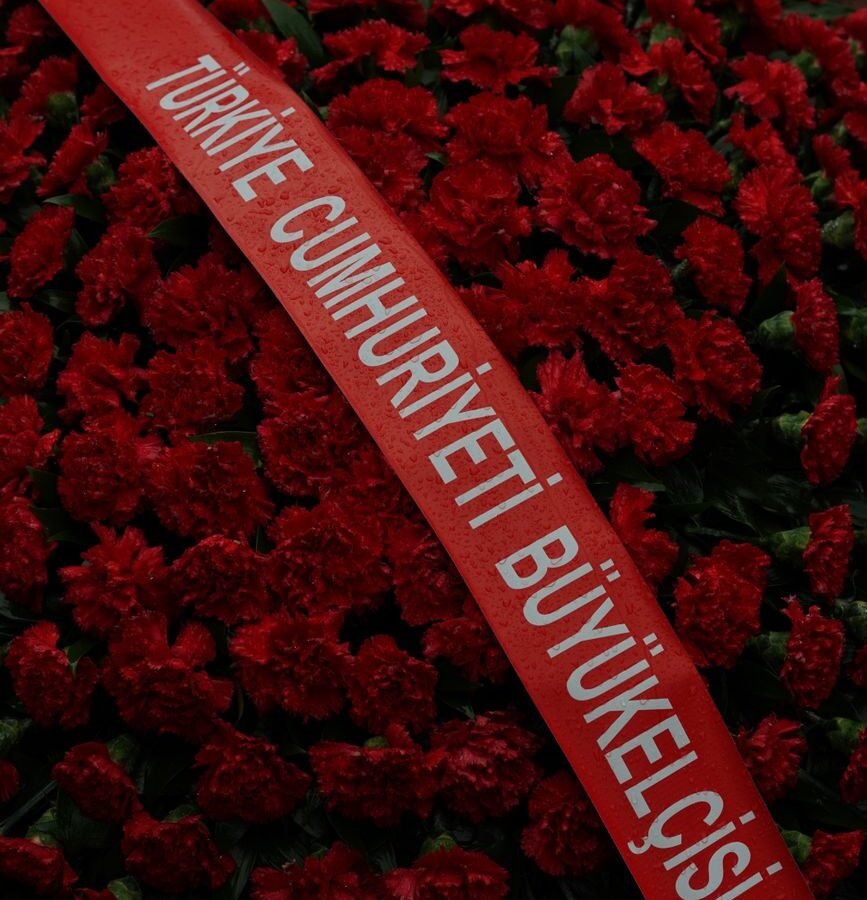
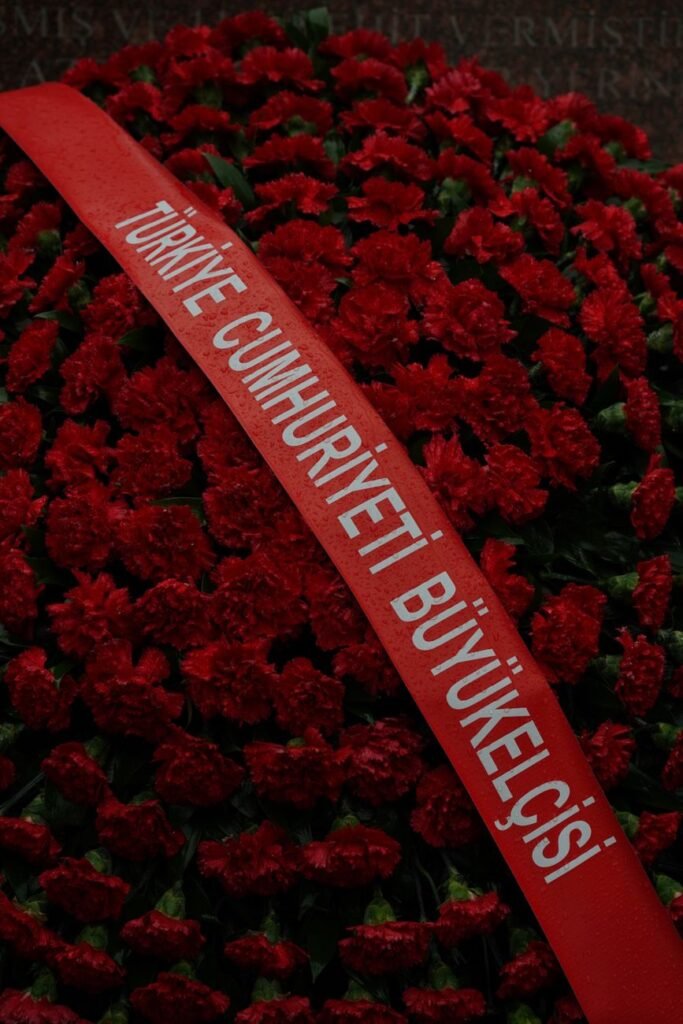
Community prediction: What happens next?
A signal to monitor, not a certainty forecast.
Why this matters now
The signal: The Silent Language of Power: Decoding Funeral Diplomacy in the Gulf may reorder priorities faster than the headline suggests.
Who wins, who loses
Advantage goes to actors with decision speed and execution capacity. The exposed are those treating this as an isolated headline rather than a shift in leverage.
“The ability to decode these signals – whether in a funeral eulogy, a historical reference, or a poetic flourish – is as crucial as understanding oil prices or ballistic missile trajectories.”
Does 'funeral diplomacy' reveal a fundamental gap in Western understanding of Gulf power dynamics?
🔥 Readers are voting live
What happens next
Watch next: the next decision, capital flow, and execution capacity over the next six months.
Evidence & context
The passing of a prominent figure in any nation often provides a moment for reflection, a pause in the relentless churn of daily politics. Yet, in the intricate diplomatic theatre of the Middle East, particularly involving Iran and its Gulf neighbours, even a funeral can be transformed into a meticulously choreographed stage for geopolitical signalling. The National Times' front-page observation today – that the funeral of an Iranian ayatollah became a platform for 'Quranic verses as geopolitical signals' – is not merely an astute piece of cultural analysis; it’s a stark reminder that in this region, communication extends far beyond official communiqués and summit declarations. It’s a language steeped in history, religion, and coded nuance, demanding an acute interpreter.
For Saudi Arabia and other Gulf states, keenly observing these 'subtle cues,' this isn't simply an academic exercise. It's a critical component of national security and economic strategy. When Tehran invokes specific Quranic verses, particularly amidst ongoing regional de-escalation efforts, the choice is never arbitrary. Each word, each surah, can be interpreted as a message of defiance, an olive branch, a warning, or an affirmation of alliances. It speaks to a profound understanding within these power centres that cultural and religious texts are not merely spiritual guides, but potent tools in the diplomatic arsenal, capable of conveying messages that might be too sensitive or provocative for overt articulation.
This 'funeral diplomacy' reveals a deeper truth about power dynamics in the Gulf: that true influence often operates beneath the surface, communicated through layers of symbolism and shared cultural understanding. While Western diplomacy often prioritizes directness and explicit agreements, the Gulf, with its millennia of layered history, thrives on a more elliptical, interpretive form of exchange. This isn't a flaw; it's a feature, demanding a level of cultural literacy and historical context often underestimated by external observers. The ability to decode these signals – whether in a funeral eulogy, a historical reference, or a poetic flourish – is as crucial as understanding oil prices or ballistic missile trajectories.
Consider the economic implications. Saudi Arabia's Vision 2030, a monumental blueprint for diversification and global integration, relies heavily on regional stability. Fluctuations in geopolitical temperature, even those signalled subtly through religious texts, can directly impact investor confidence, tourism prospects, and the viability of ambitious infrastructure projects. If a specific Quranic verse signals a hardening of a position, or conversely, a softening, it could inform decisions ranging from port security enhancements to the allocation of foreign direct investment. The cost of misinterpretation, in this context, is not merely diplomatic embarrassment, but potentially billions of dollars in economic opportunity or risk.
Furthermore, this mode of communication highlights a tension inherent in modern Saudi and Gulf societies. On one hand, there is an accelerating drive towards modernization, embracing global norms, technological innovation, and a more direct, transparent engagement with the world. On the other, the profound cultural and religious heritage remains a bedrock, influencing identity, governance, and indeed, foreign policy. The challenge is to navigate this duality: to project an image of modern dynamism while retaining the capacity to understand and respond to the deeply traditional, coded language of regional power plays.
The question then for majlises and corporate boardrooms isn't just 'What was said?' but 'What was *meant* by what was said, and what does it *imply* for our strategic interests?' It forces a recognition that intelligence gathering in the Gulf isn't confined to satellite imagery or intercepted communications; it extends into theological interpretation, historical scholarship, and a profound understanding of the unwritten rules of engagement. In a region undergoing unprecedented transformation, while simultaneously grappling with ancient rivalries, the silent language of power might be the loudest signal of all.
As Saudi Arabia positions itself as a global hub, its leaders must not only master the language of Davos and Wall Street but also continue to be fluent in the nuanced, sacred lexicon of regional statecraft. The ongoing de-escalation with Iran, a cornerstone of recent Saudi foreign policy, is a testament to the efficacy of diplomacy in all its forms. But the National Times' report reminds us that true de-escalation isn't just about signed agreements; it’s about reading between the lines, even the lines of scripture, to truly understand the intentions that underpin regional peace and prosperity.
The implications ripple beyond immediate neighbours. Global powers engaging with the Gulf — be it for energy, investment, or security — must similarly cultivate this deep understanding. To dismiss 'funeral diplomacy' as arcane is to fundamentally misunderstand a vital component of how power is projected, perceived, and negotiated in one of the world's most critical geopolitical arenas. The verses chosen at an ayatollah's funeral are not just echoes of faith; they are dispatches from the front lines of diplomacy.
🗞 National Times Newsroom — AI-assisted editorial desk · Reported by Alexander Vance, Editorial Director