Nepal’s Flood Devastation: Beyond Natural Catastrophe
Trending Global
The destruction of Nepalese villages and infrastructure by recent floods prompts a re-evaluation of disaster attribution and the limits of climate modelling.
What just happened
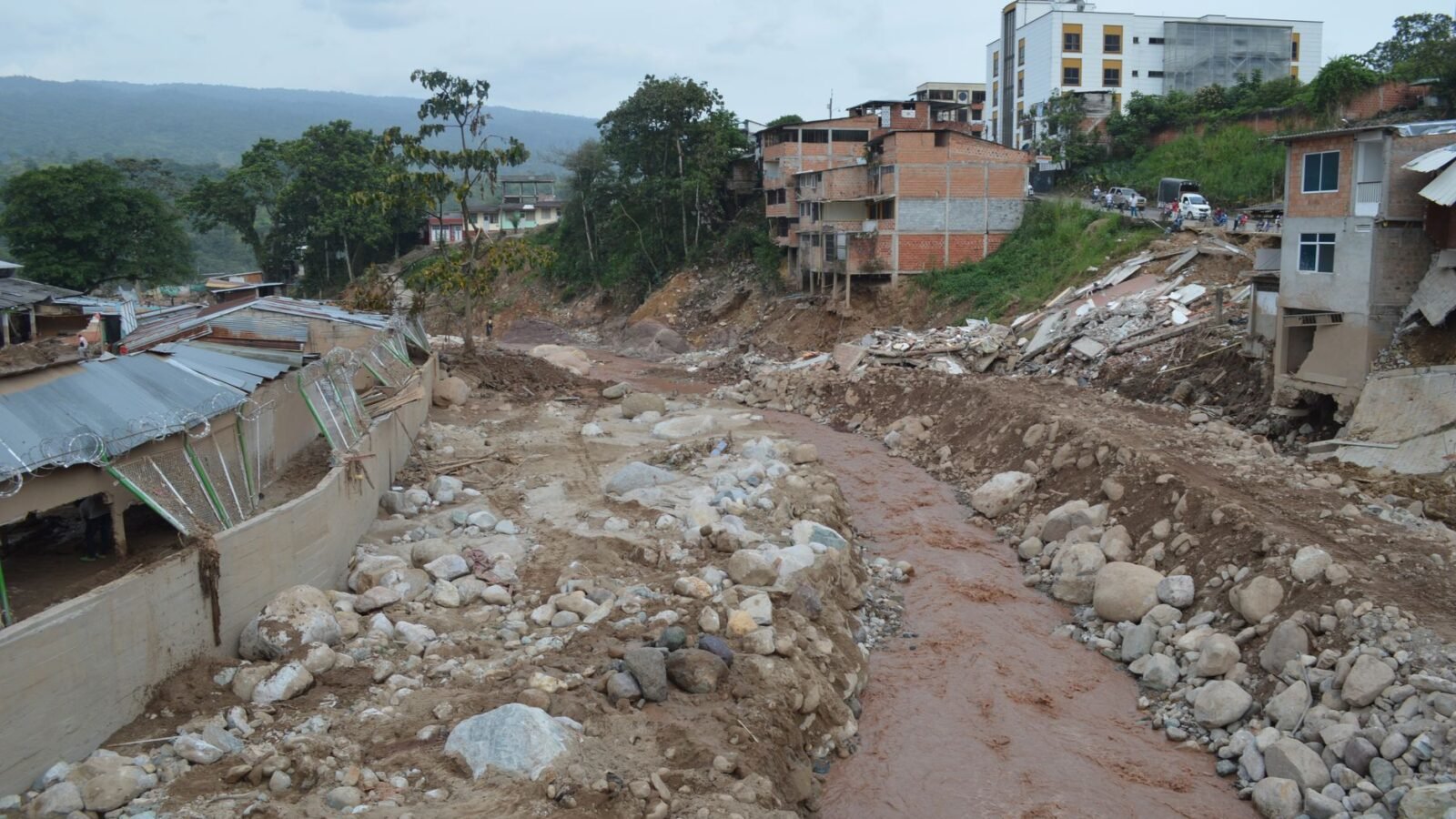
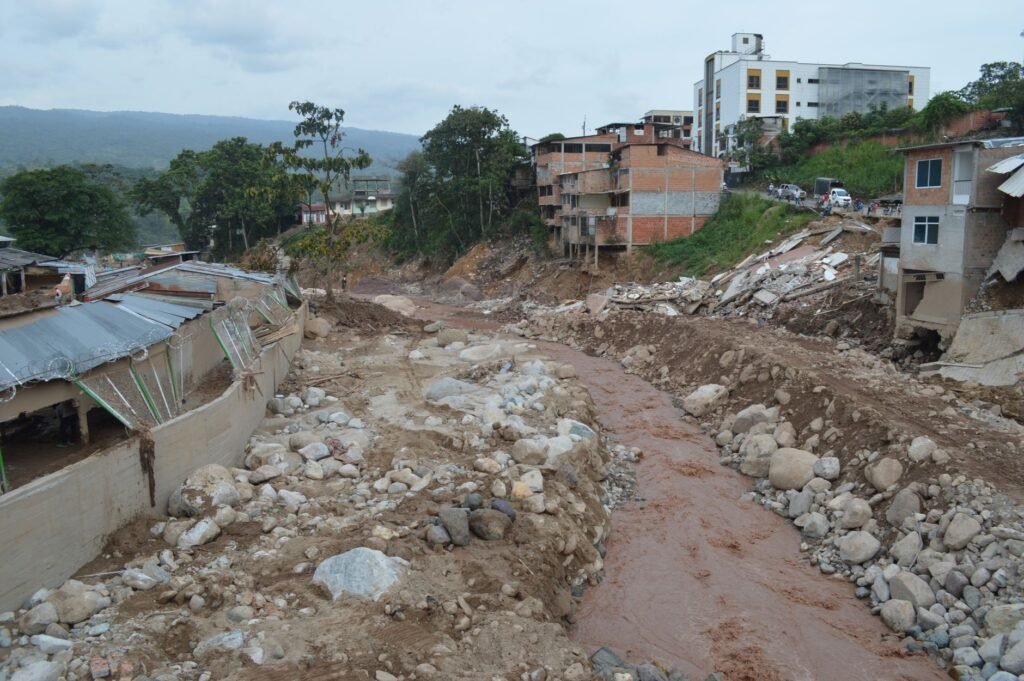
Recent satellite imagery has provided unequivocal evidence of widespread devastation across several Nepalese villages, with critical infrastructure including bridges and a key border crossing to Tibet having been entirely washed away by floodwaters. The before-and-after comparisons illustrate a landscape fundamentally altered, transforming inhabited areas into riverine expanses. This event represents a significant setback for local communities and regional connectivity, underscoring the acute vulnerability of Himalayan settlements to hydrometeorological extremes.
The scale of destruction suggests an event of unusual intensity, challenging the resilience of existing infrastructure and emergency response mechanisms. While the immediate focus remains on humanitarian concerns and damage assessment, the broader implications extend to economic recovery, cross-border trade, and the long-term habitability of affected regions. The loss of the Nepal-Tibet border crossing, in particular, signals disruption to a vital economic artery, with ramifications for both local livelihoods and broader regional supply chains.
Why it is contested
The immediate aftermath of such destructive events often sees a rapid convergence on a single explanatory framework, typically 'climate change'. While increasing climate variability and glacial melt are undoubtedly factors in the Himalayan region, framing this specific catastrophe solely through that lens risks obscuring other, potentially more direct, anthropogenic contributions. The contestation arises from the difficulty in attributing specific events to broad climatic trends, particularly when local factors, such as infrastructure development and land management, exert significant influence.
To interpret this event merely as a 'natural disaster' or an inevitable consequence of global warming overlooks the complex interplay of hydrological dynamics, geological instability, and human intervention that characterises the Himalayan environment. The debate is not whether climate change is real, but whether it is the exclusive or even primary determinant of this specific outcome, and what that distinction implies for actionable policy responses beyond emissions reduction.
The competing narratives
One dominant narrative posits the floods as a direct manifestation of accelerating climate change, citing increased frequency and intensity of extreme weather events in the region. Proponents argue that warmer temperatures lead to more rapid glacial melt and altered monsoon patterns, making such destructive deluges more probable. The strongest objection to this reading is its potential to oversimplify the causality, effectively absolving local and national policy decisions regarding infrastructure resilience and environmental stewardship. If every flood is solely 'climate change', the impetus for localised adaptation and mitigation can weaken.
A rival interpretation focuses on the cumulative impact of large-scale infrastructure projects, particularly hydropower dams and associated construction, within the fragile Himalayan ecosystem. This perspective suggests that riverine alterations, deforestation for construction, and the dumping of debris destabilise slopes and alter natural drainage patterns, exacerbating flood risk. The objection here is that such projects are often critical for national development and energy security; attributing blame solely to them risks undermining essential progress and may overlook the inherent geological instability of the region, which predates modern engineering.
A third perspective highlights inadequate land-use planning and unregulated development in flood-prone areas. This narrative suggests that human encroachment into riverbeds and floodplains, coupled with a failure to enforce robust building codes, renders communities inherently more vulnerable when extreme weather inevitably occurs. The counter-argument is that poverty and population pressure often drive such settlement patterns, making strict enforcement politically and socially untenable without viable alternatives for affected populations.
What to watch next
The immediate aftermath will see continued efforts for humanitarian aid and initial damage assessment. Beyond this, the focus will shift to the political and economic implications of rebuilding. Will international aid be conditional on revised environmental impact assessments for future infrastructure projects? The reconstruction of the Nepal-Tibet border crossing will be a key indicator of regional priorities and the extent of cross-border cooperation, revealing whether the impetus is merely to restore the status quo or to build back with enhanced resilience.
Crucially, observe the discourse surrounding attribution. If the narrative solidifies around climate change as the sole culprit, expect increased calls for international funding mechanisms and less scrutiny of domestic policy. Conversely, if local factors gain prominence, the internal debate within Nepal regarding development practices and environmental regulation will intensify. The true test will be whether the recovery effort integrates lessons from this event to mitigate future risks, rather than simply reacting to immediate needs.
The bottom line
The devastation in Nepal offers a stark illustration of the complex, often intertwined, pressures facing vulnerable regions. While climate change undoubtedly contributes to the backdrop of increased risk, the specific character and severity of this catastrophe may also reflect local policy choices, development trajectories, and land management practices. The open question remains whether this event will catalyse a more nuanced and integrated approach to disaster risk reduction in the Himalayas, one that moves beyond single-cause attribution to address the full spectrum of environmental and anthropogenic vulnerabilities, or if the opportunity for deeper systemic change will be lost in the urgency of recovery.
Source material: BBC News