Kyiv warehouse strike: ammunition storage and strategic signalling
Trending Global
A recent strike on a Kyiv warehouse, resulting in casualties and evacuations, has ignited debate over its true significance and the nature of its contents.
What just happened
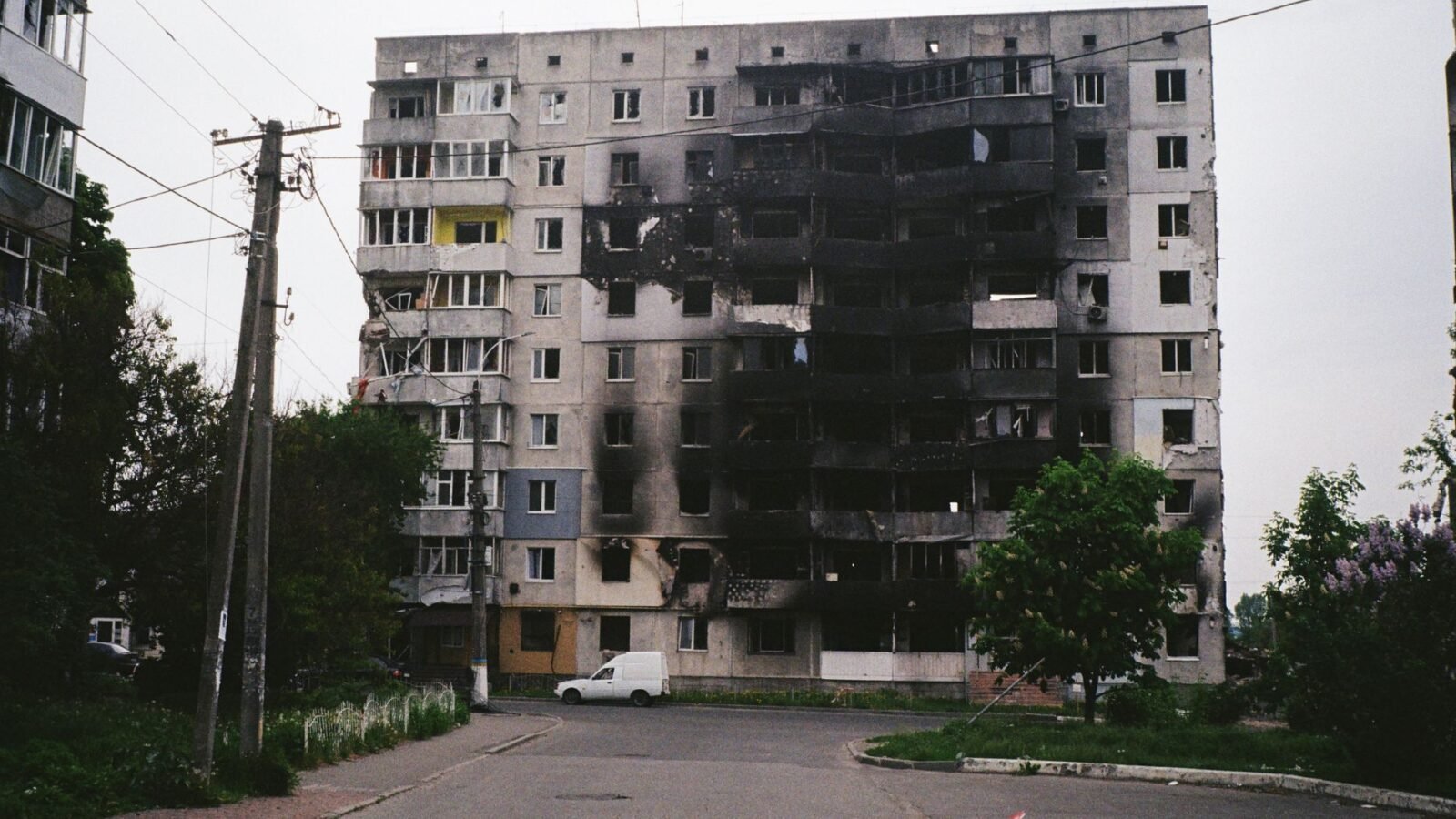
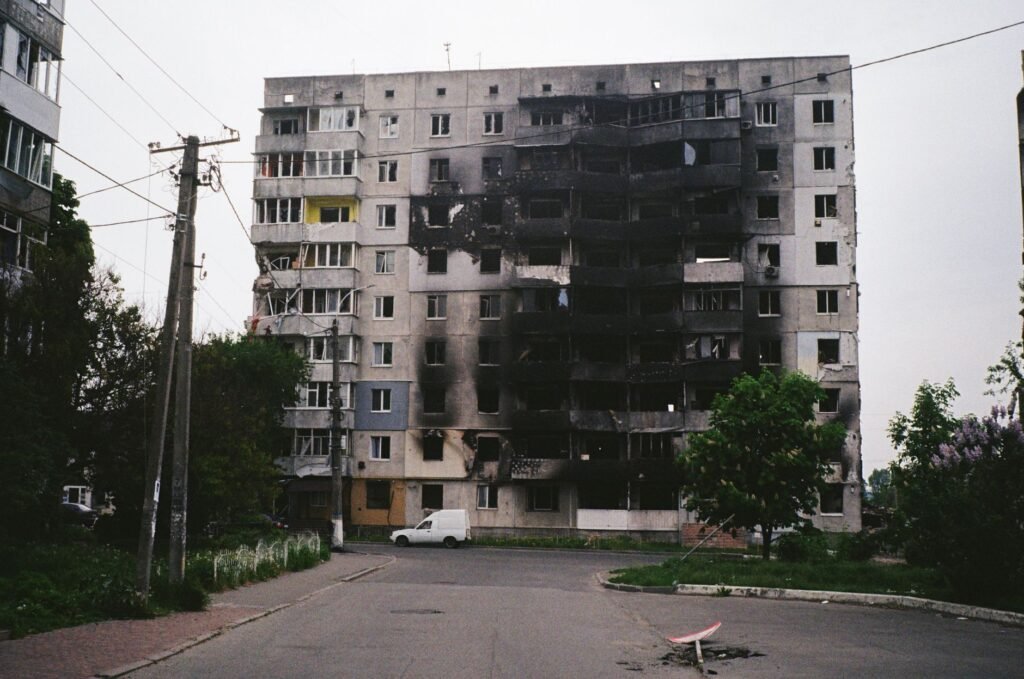
A recent strike in Kyiv targeted a warehouse, leading to at least 27 fatalities and the evacuation of hundreds from the vicinity. The immediate aftermath saw a series of explosions, prompting an urgent investigation into the nature of the materials stored within the facility. Specifically, authorities are examining whether the warehouse contained ammunition, a detail that would significantly alter the strategic interpretation of the attack. The human cost of the strike is clear, yet its broader implications remain subject to intense scrutiny, particularly concerning the operational security protocols for storing potentially hazardous materials in proximity to civilian populations.
The scale of the secondary explosions suggests the presence of volatile contents, whether ammunition or other combustible goods. This event unfolds against a backdrop of ongoing conflict, where the distinction between civilian infrastructure and legitimate military targets is frequently blurred, either by design or by consequence. The investigation's findings will be crucial in establishing the factual basis for subsequent analysis, determining whether this was a precision strike on a military asset or a devastating blow to a civilian-adjacent facility with unforeseen consequences.
Why it is contested
The contestation surrounding the Kyiv warehouse strike stems from the ambiguity inherent in its target and the potential implications of its contents. If the warehouse demonstrably contained ammunition, the strike could be framed as a successful targeting of military logistics. Conversely, if the investigation reveals a different primary purpose for the facility, or if the ammunition was stored without adequate safeguards, the incident raises questions about the operational integrity of the defence and the proportionality of the attack. The very act of investigating the contents underscores the lack of immediate, undisputed clarity.
Furthermore, the public narrative surrounding such events is often weaponised. Each side in a conflict seeks to control the interpretation, either to justify actions, garner international sympathy, or delegitimise an adversary. The speed with which an investigation was launched, and its focus on ammunition, indicates an awareness of these competing narratives. The tension lies in discerning whether the facility was a high-value military target that happened to be near civilians, or a civilian facility inadvertently or negligently co-opted for military purposes.
The competing narratives
Two primary narratives are currently vying for ascendancy regarding the Kyiv warehouse strike. The first posits that the strike was a legitimate and successful military operation targeting a critical logistics hub. Proponents of this view argue that the presence of ammunition, if confirmed, would validate the strike as a strategic blow against the adversary's supply chain. The strong objection to this reading is that even if military materiel was present, its storage within or adjacent to a civilian area raises profound questions about adherence to the principles of distinction and precaution under international humanitarian law. The high civilian casualty count, regardless of the target's nature, complicates any claim of purely military success.
The second narrative suggests a more complex, potentially tragic, scenario: either the warehouse was primarily civilian and inadvertently hit, or military materiel was stored in a manner that created an unacceptable risk to civilians. This interpretation highlights potential failures in operational security by the defence, or an indiscriminate targeting practice by the attacker. The strongest objection to this view is that modern intelligence capabilities often allow for precise targeting, making an 'accidental' hit on a non-military facility less probable if the intent was purely military. Moreover, the nature of conflict often necessitates the utilisation of existing infrastructure, blurring the lines between civilian and military use. The tension here lies between attributing intent to the attacker versus assessing the risk management of the defender.
What to watch next
The critical immediate development to monitor is the official announcement of the investigation's findings regarding the warehouse's contents. A definitive confirmation or denial of ammunition storage will fundamentally reshape the prevailing narratives. Beyond this, observers should scrutinise any subsequent statements from international bodies or humanitarian organisations, which may offer independent assessments or condemnations based on the evidence presented. The legal ramifications, particularly concerning potential war crimes investigations, will also depend heavily on the confirmed nature of the target and the circumstances of the strike. Furthermore, watch for any shifts in military doctrine or operational procedures by either side, which might indicate a response to the lessons learned from this incident, whether in targeting strategies or in the management of military supplies within urban environments.
The broader geopolitical response to the incident, especially from allies and international institutions, will also be indicative of how this event is being interpreted on a global stage. Will it lead to increased pressure for de-escalation, or will it be framed as another instance of a conflict's inevitable brutality? The answer lies in how conclusively the evidence can speak to the questions of intent, negligence, and adherence to established norms of warfare.
The bottom line
The Kyiv warehouse strike serves as a stark reminder that the immediate facts of an event often yield to a more complex struggle over interpretation. The presence or absence of ammunition within the destroyed facility is not merely a factual detail; it is the lynchpin upon which competing claims of strategic success, operational negligence, and adherence to international law will pivot. The incident therefore does not conclude with the cessation of explosions, but rather opens a critical inquiry into the very nature of modern urban warfare and the ethical obligations of all parties involved.
The true meaning of this strike will not be determined solely by forensic evidence, but by the narratives that ultimately prevail in the court of public and international opinion. How does a conflict manage the imperative of military logistics against the undeniable imperative to protect civilian life, especially when these two imperatives are brought into direct, devastating proximity?
Source material: BBC News