Kyiv Warehouse Strike: Unpacking Competing Narratives Amidst Civilian Casualties
Trending Global
The recent strike on a Kyiv warehouse, resulting in significant civilian casualties, has ignited an investigation into the facility's contents.
What just happened
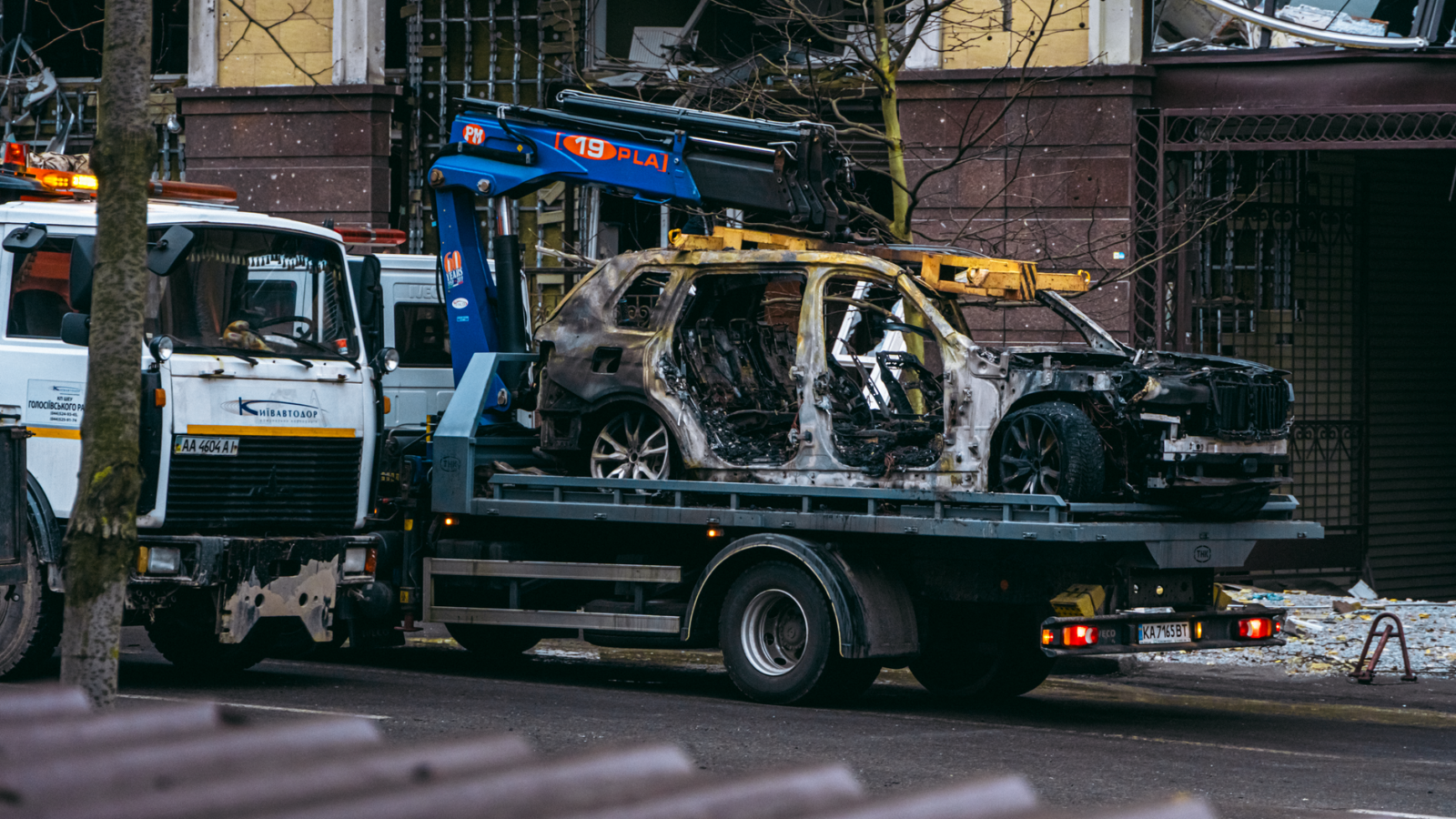
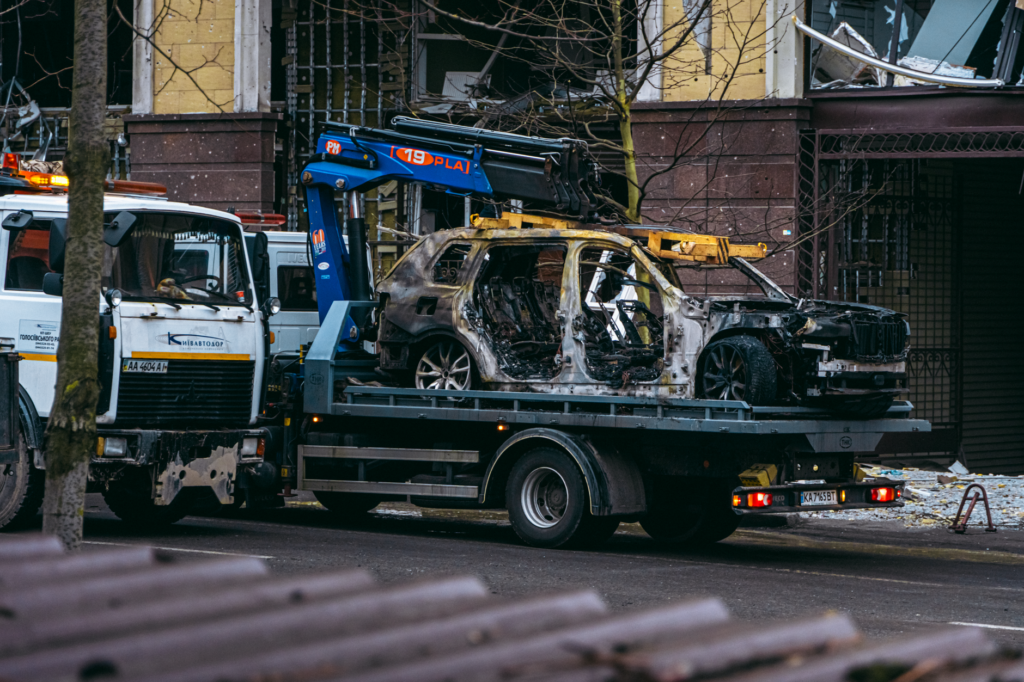
A recent military strike on a warehouse facility in Kyiv has resulted in the confirmed deaths of at least 37 individuals, with hundreds more forced to evacuate the surrounding area. The immediate aftermath saw rescue operations commence, focusing on locating survivors and recovering casualties from the debris. The scale of the civilian losses has prompted an official investigation into the nature of the targeted facility, specifically addressing whether it contained military materiel, such as ammunition, at the time of the strike.
Why it is contested
The contestation surrounding this incident stems directly from the discrepancy between the stated civilian nature of the warehouse and the potential presence of military supplies. In the laws of armed conflict, the distinction between civilian objects and military objectives is foundational. A civilian object, by definition, must not be attacked. Conversely, a military objective, defined as an object which by its nature, location, purpose, or use makes an effective contribution to military action and whose total or partial destruction, capture, or neutralisation, in the circumstances ruling at the time, offers a definite military advantage, is a legitimate target. The critical ambiguity here is whether a facility typically considered civilian transforms into a legitimate military objective if it stores ammunition. This question is compounded by the high civilian casualty count, which raises concerns about proportionality and precautions in attack.
The competing narratives
Two principal narratives are currently vying for dominance. The first posits that the warehouse, by storing ammunition, became a legitimate military target. Proponents of this view would argue that any facility used for military purposes, regardless of its original civilian designation, forfeits its protected status. The strongest objection to this reading is that even if military materiel was present, the scale of civilian harm must still be proportionate to the anticipated military advantage. Furthermore, the onus is on the attacking force to demonstrate that all feasible precautions were taken to minimise civilian casualties, and that intelligence regarding the warehouse's contents was robust and current.
The second narrative contends that the strike constitutes a potential war crime, given the significant civilian casualties and the presumption of the warehouse's civilian status. This perspective emphasizes that the presence of some military items does not automatically justify an attack that causes extensive civilian harm, especially if those items were not integral to active military operations or if the facility was not clearly identifiable as a military objective. The strongest objection to this view is that it risks creating a 'shielding' effect, where military assets could be deliberately co-located with civilian infrastructure to deter attacks, thereby complicating legitimate military operations and potentially prolonging conflict. The challenge lies in proving intent and knowledge on the part of the attacking force regarding the civilian presence and the precise nature of the contents.
What to watch next
The immediate focus will be on the findings of the ongoing investigation. The specific evidence regarding the contents of the warehouse — whether ammunition was indeed present, its quantity, and its strategic significance — will be paramount. Further scrutiny will be applied to the intelligence gathering processes that informed the strike decision. Did the attacking force possess credible intelligence? When was this intelligence acquired? What level of certainty did it convey regarding the presence of military assets and the absence of civilians? The international community will also be observing the legal interpretations offered by relevant bodies, as this incident could set precedents for how hybrid civilian-military sites are treated under international humanitarian law. The question of accountability, and who will bear it, remains open.
The bottom line
The Kyiv warehouse strike forces a re-evaluation of the 'dual-use' problem in urban warfare: when does a civilian facility, potentially housing military supplies, cross the threshold into a legitimate military objective, and what level of civilian harm is permissible in such circumstances? The core tension remains between the operational imperative of targeting military assets and the legal and moral obligation to protect civilian life. Can these two imperatives ever be fully reconciled in the dense complexities of modern urban conflict, or will such incidents remain a perpetual grey area, ripe for contested interpretations and accusations?
Source material: BBC News