Kyiv Depot Strike Exposes Logistical Dilemma for Ukrainian War Effort
Trending Global
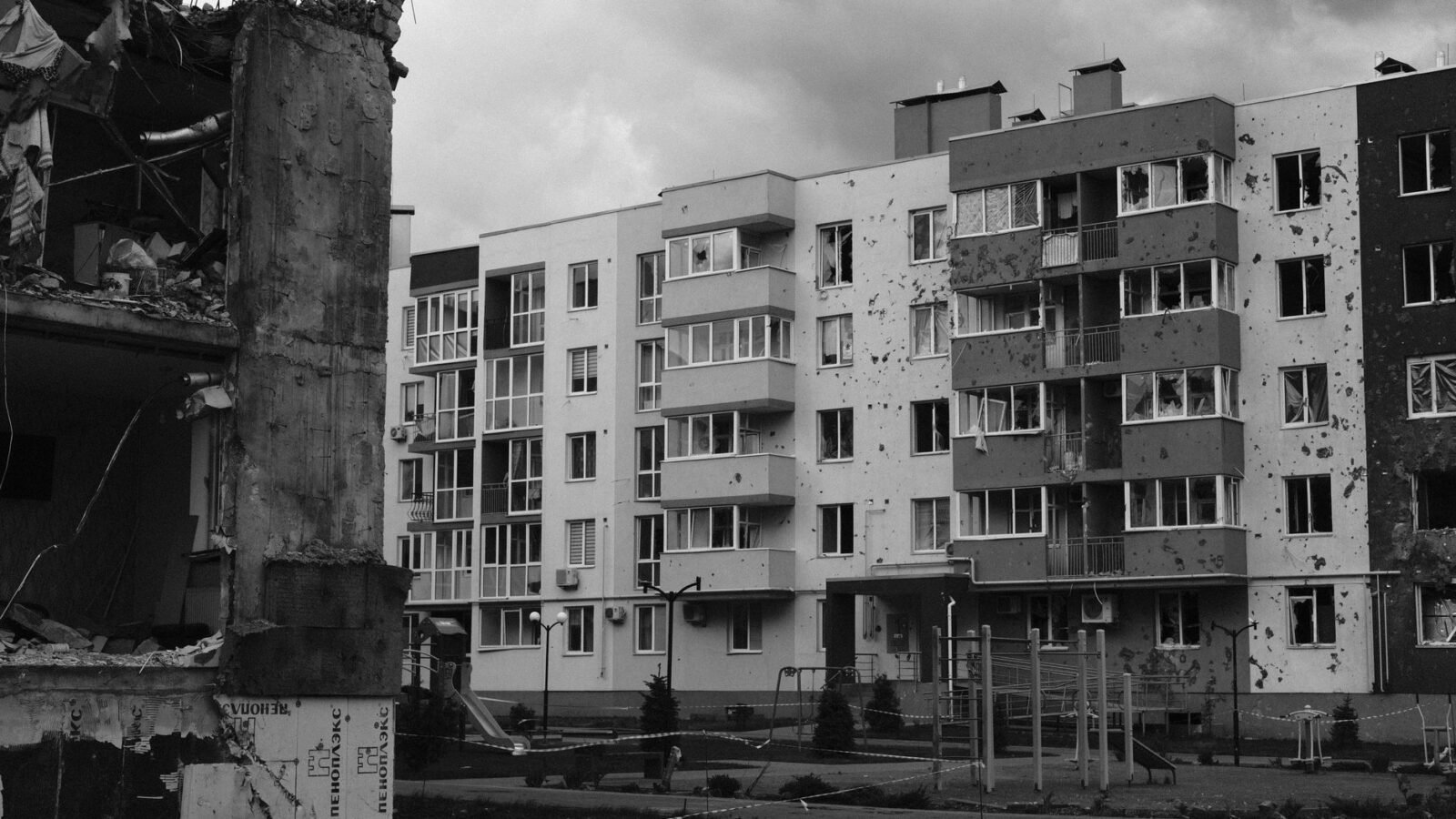
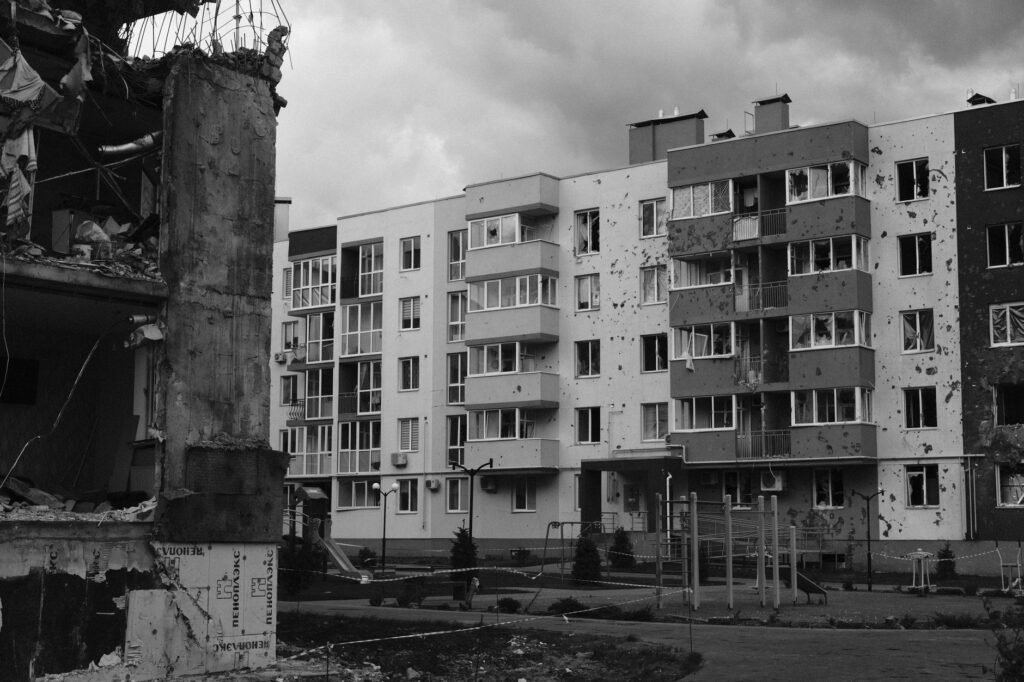
The recent strike on a military depot in Kyiv, killing dozens, highlights a critical vulnerability in Ukraine's defence strategy.
What just happened
A recent missile strike targeted a military weapons depot in Kyiv, leading to at least 37 reported deaths and the evacuation of hundreds of residents from surrounding areas. The immediate aftermath saw the initiation of an official investigation by Ukrainian authorities, focusing specifically on the decision to store military materiel in such close proximity to civilian populations. The event has prompted a broader examination of wartime logistical practices, particularly within densely populated urban centres. The scale of casualties and the necessitated displacement underscore the profound risks associated with such strategic decisions during active conflict.
Why it is contested
The controversy surrounding the Kyiv depot strike hinges on the unavoidable tension between operational necessity and civilian protection in urban warfare. For military strategists, the proximity of supply lines and ordnance to front-line positions or key defensive installations can be a critical advantage, reducing transit times and ensuring rapid resupply. However, this tactical benefit is weighed against the catastrophic potential of a successful enemy strike on such a facility, particularly when it is embedded within a civilian environment. The ongoing investigation is tasked with determining whether the specific location of this depot represented a calculated risk that failed, or a misjudgment of the threat landscape. The core contention is whether the operational gains justified the inherent danger to non-combatants, a question that invariably becomes acute only in retrospect, after an incident has occurred.
The competing narratives
Two primary interpretations dominate the discourse surrounding the Kyiv depot strike. One narrative posits that the placement of the weapons depot, despite its proximity to residential zones, was an unavoidable strategic imperative in the defence of the capital. Proponents of this view argue that the exigencies of a protracted conflict necessitate difficult choices regarding logistics, often prioritising immediate operational effectiveness over ideal civilian safety parameters. They might suggest that decentralised, urban-embedded storage reduces the vulnerability of larger, more obvious targets and facilitates rapid deployment of resources where they are most needed. The strongest objection to this reading is that it potentially normalises an unacceptable level of risk for civilian populations, suggesting a tactical expediency that may disregard international humanitarian law principles concerning the protection of non-combatants.
Conversely, another narrative contends that the incident reveals a critical failure in risk assessment and logistical planning. This perspective suggests that alternative, more secure, or less populated locations for weapons storage should have been prioritised, even if it meant some operational trade-offs. Those who hold this view argue that the concentration of munitions near residential areas creates an unacceptable 'dual-use' target, blurring the lines between military and civilian infrastructure and inviting a devastating response. The strongest objection to this interpretation is that it might underestimate the practical constraints of wartime logistics, particularly in a large, contested urban environment. Finding entirely isolated yet accessible storage facilities within a besieged capital can be a near-impossible task, and critics might argue that such a position is an armchair critique divorced from the realities of military operations under duress.
What to watch next
The immediate focus will be on the findings of the Ukrainian investigation into the depot's location and operational protocols. Any official report that attributes specific failures will inevitably shape public perception and potentially lead to changes in military doctrine regarding urban logistics. Beyond this, observers should monitor how international partners react. Will the incident prompt calls for greater oversight on the use and storage of donated military aid? The flow of future military assistance could be subtly influenced by concerns over accountability and civilian protection. Furthermore, the incident may accelerate the development of more resilient, distributed, or hardened storage solutions, potentially shifting military infrastructure away from urban centres where feasible. The broader question is whether this event will be viewed as an isolated tragedy or as a catalyst for a fundamental rethinking of how urban warfare is conducted and supplied.
The bottom line
The Kyiv depot strike is not merely a tragic isolated event; it lays bare the profound ethical and strategic dilemmas inherent in modern urban warfare. The question is not whether mistakes were made, but rather how much risk to civilians is considered an unavoidable cost of defending a capital, and who ultimately bears the responsibility for that calculation. Does this incident compel a re-evaluation of military-civilian interface in conflict zones, or will it be rationalised as an unfortunate, yet inevitable, consequence of defending against aggression?
Source material: BBC News