Bangladesh’s youth unemployment tests Rahman’s economic stability pledges
Trending Global
Six months into his term, Prime Minister Tariq Rahman confronts an energy crisis and rising prices, fuelling widespread youth discontent.
What just happened
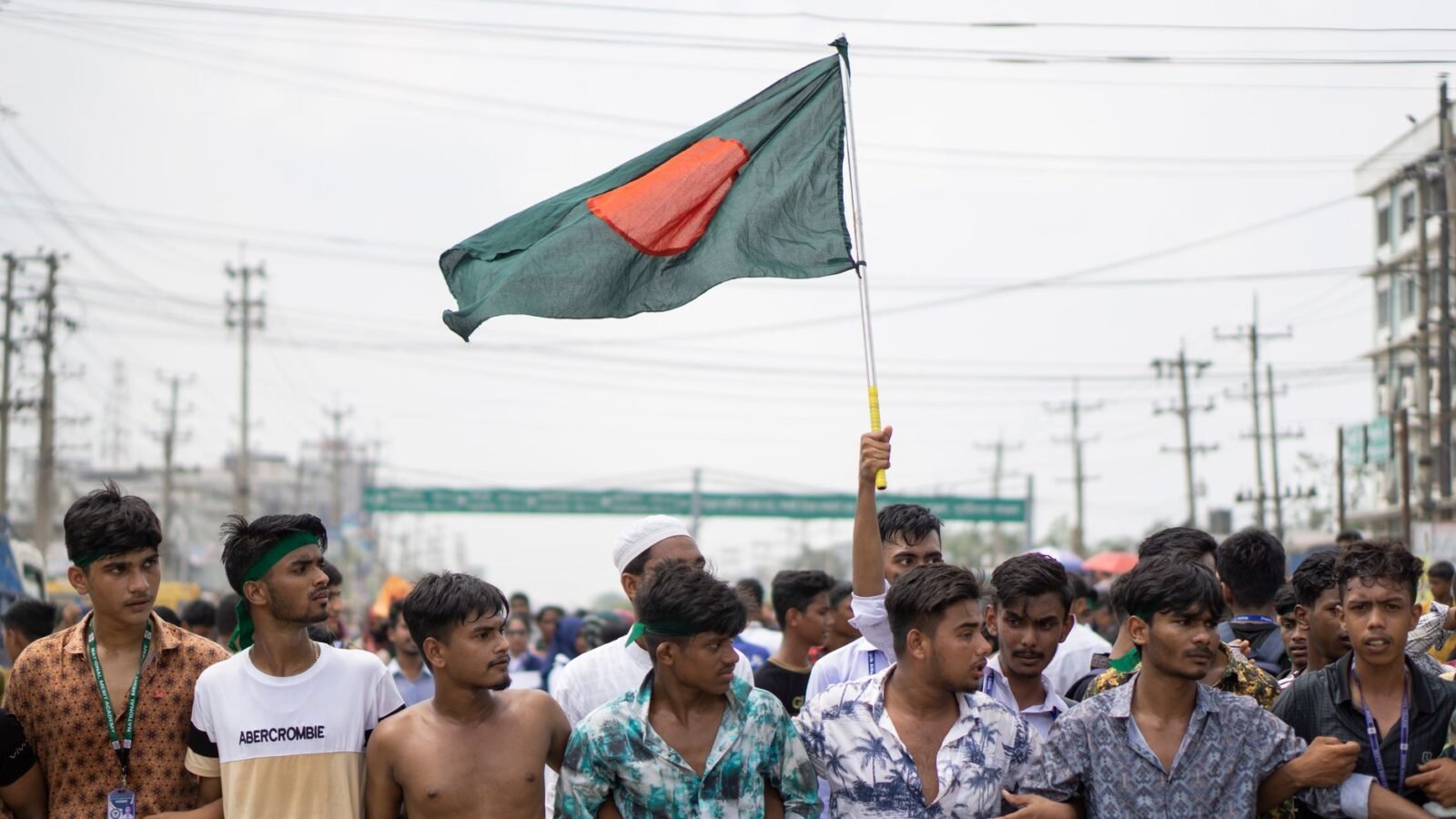
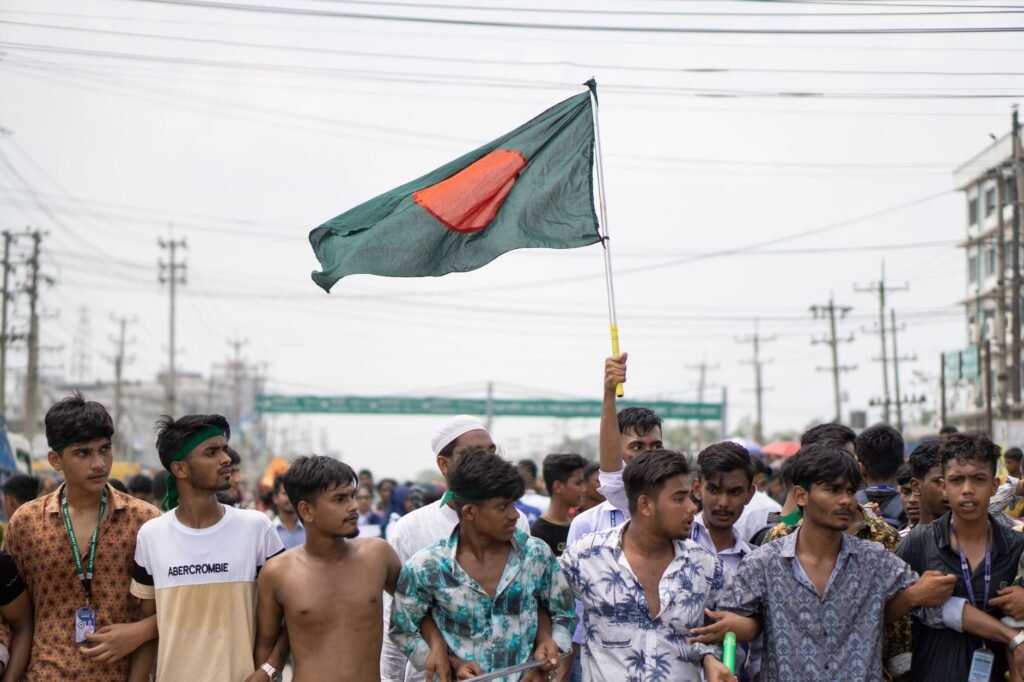
Six months into the administration of Prime Minister Tariq Rahman, Bangladesh is experiencing heightened public discontent, primarily driven by an energy crisis and an observable increase in consumer prices. These economic pressures have converged to amplify the issue of youth unemployment, which is now a focal point of public protest and political scrutiny. The government, which assumed office with a mandate to foster stability and economic growth, is confronting a significant challenge to its early legitimacy as these issues coalesce into a broader demand for accountability and effective governance.
Why it is contested
The current surge in public pressure on Prime Minister Rahman's government is subject to two primary, competing interpretations regarding its underlying causes and implications. One perspective attributes the discontent directly to policy failures and inadequate economic management by the nascent administration, suggesting that the government has either misjudged or mishandled critical economic levers. The alternative reading posits that the challenges are largely exogenous, stemming from global economic forces beyond the immediate control of Dhaka, thereby framing the government as reacting to unavoidable external shocks rather than generating internal crises. The specific policies enacted or neglected by the Rahman government, particularly concerning energy subsidies, fiscal spending, and job creation initiatives, form the core of this contestation. What remains unclear is the extent to which the current economic difficulties are a product of domestic policy choices versus the inevitable consequence of a broader global economic deceleration.
The competing narratives
One prevalent narrative argues that the Rahman government’s economic strategy, or lack thereof, has exacerbated pre-existing vulnerabilities. Proponents of this view point to what they perceive as insufficient or delayed interventions to mitigate the energy crisis and control inflation. They contend that the administration either failed to anticipate the severity of global price shocks or lacked the political will to implement pre-emptive measures, such as diversifying energy sources or strengthening social safety nets for vulnerable populations. The strongest objection to this reading is that it may overstate the capacity of any government, particularly a new one, to insulate a developing economy entirely from the impact of volatile international commodity markets and supply chain disruptions.
Conversely, a second narrative maintains that the current economic difficulties are primarily a reflection of global headwinds, making them largely unavoidable for a trade-dependent economy like Bangladesh. This perspective suggests that rising global energy prices and supply chain disruptions, intensified by geopolitical events, are the principal drivers of domestic inflation and energy shortages. In this view, the Rahman government is managing an inherited difficult situation rather than creating it, and its responses, while perhaps imperfect, are constrained by external realities. The strongest objection to this narrative is that it risks absolving the government of responsibility for any domestic policy missteps or for failing to implement long-term structural reforms that could have built greater resilience against such external shocks.
What to watch next
The immediate trajectory of Bangladesh's political and economic stability hinges on several critical indicators. Observers will be closely monitoring the government's forthcoming policy adjustments regarding energy pricing and subsidies, as these directly impact both household budgets and industrial output. Any significant shifts in these policies will signal the administration's strategic priorities and its willingness to absorb political costs for economic stability. Furthermore, the nature and scale of public protests will serve as a barometer of popular sentiment; a sustained increase in demonstrations could indicate deepening public dissatisfaction that challenges the government's capacity to govern effectively. The key question remains whether the government will prioritise short-term appeasement through subsidies or pursue more fundamental, potentially unpopular, structural reforms to address the underlying economic vulnerabilities.
The bottom line
The challenges confronting Prime Minister Tariq Rahman's government in Bangladesh are a complex interplay of domestic expectations and international economic pressures. While the immediate concerns centre on energy and employment, the underlying tension is whether these issues are symptoms of a systemic governance deficit or merely the inevitable fallout from global economic volatility. What remains to be seen is how the administration will reconcile the urgent demands for relief with the longer-term imperative for structural resilience, and whether its chosen path will solidify its mandate or further erode public confidence.
Source material: Al Jazeera – Breaking News, World News and Video from Al Jazeera