Ukraine’s Air Defence Shortfalls: The Strategic Implications of Diminishing Capability
Trending Global
The recent Kyiv attacks underscore a critical vulnerability in Ukraine's air defence, raising questions about Western support and strategic trajectory.
What just happened
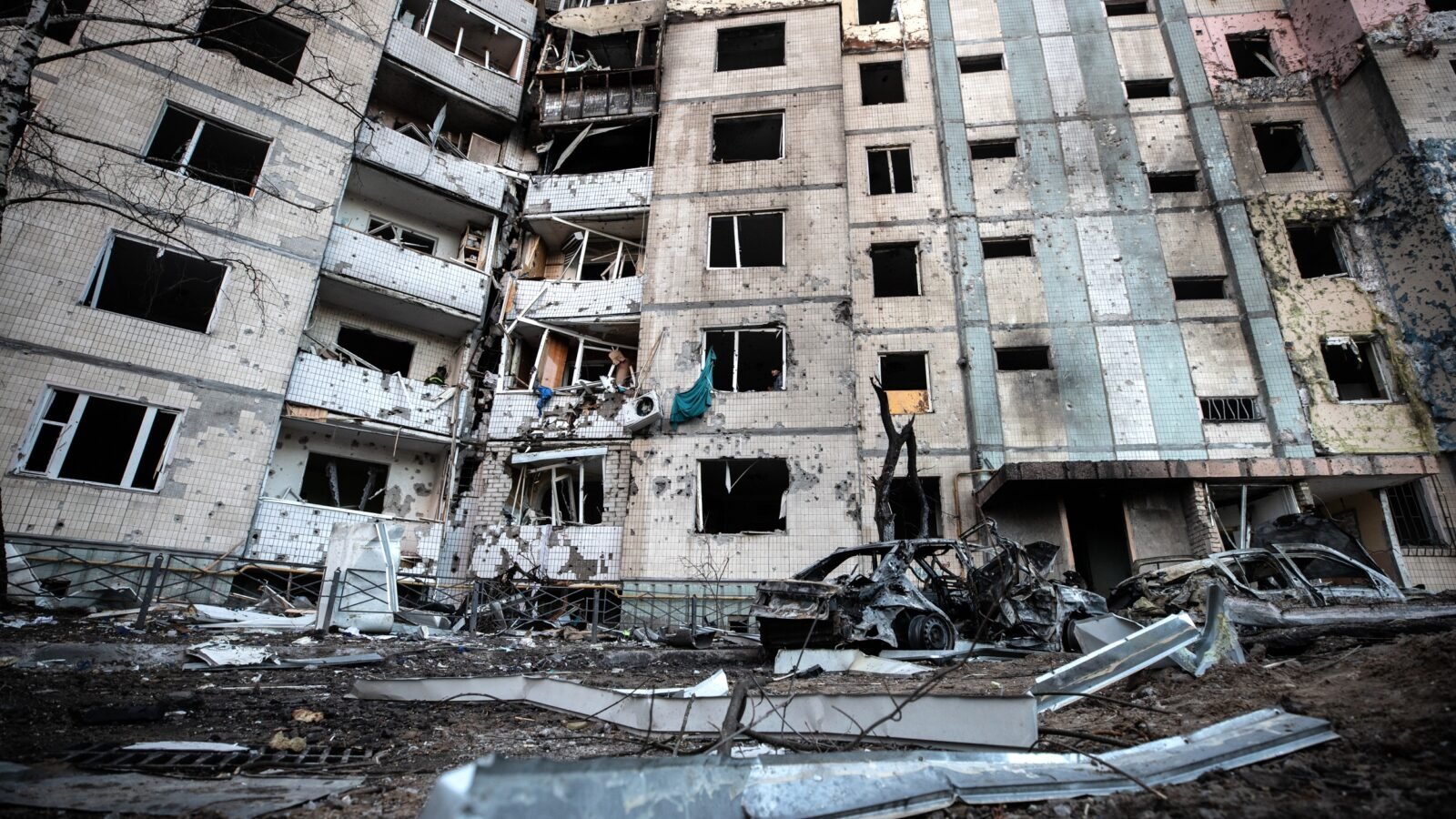
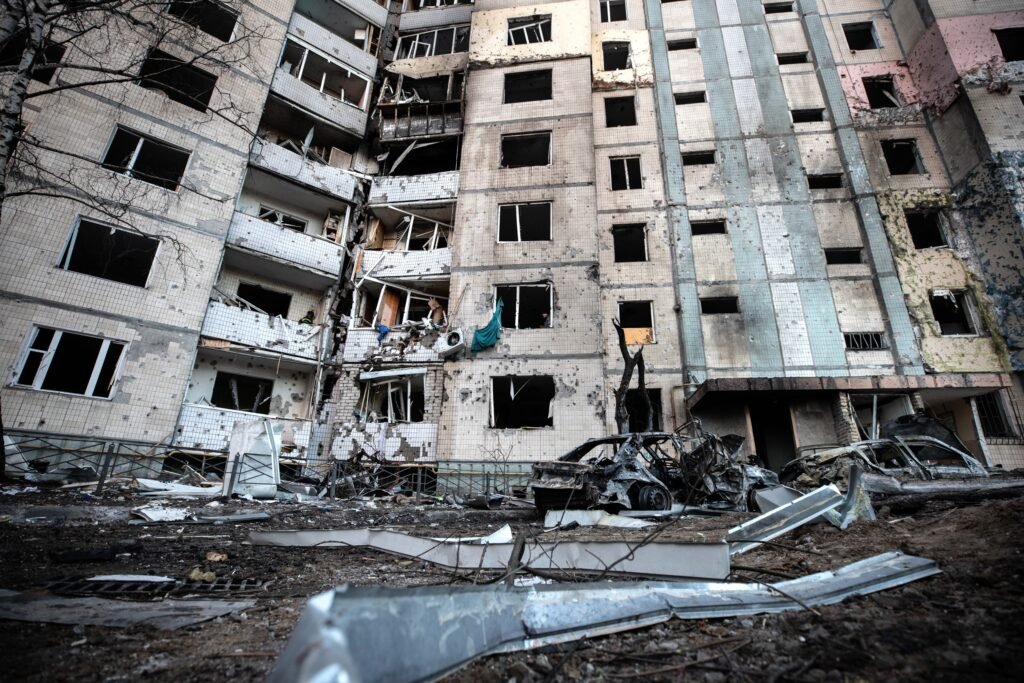
Kyiv experienced a 'massive attack' on Thursday, resulting in at least 15 fatalities and significant damage to apartment blocks and warehouses. This event is notable not merely for its scale, but for what it implies about the current state of Ukraine's air defence. The ability of Russian forces to penetrate Ukrainian airspace with such destructive effect suggests a material degradation in Kyiv's protective umbrella, a development with profound implications for the conflict's trajectory.
The targeting of civilian infrastructure, rather than solely military installations, signals a strategic intent beyond immediate battlefield gains. It points to a campaign designed to erode civilian morale and economic capacity, exploiting perceived weaknesses in Ukraine's ability to safeguard its urban centres. This is not merely an escalation in intensity, but a potential shift in the character of the air war.
Why it is contested
The interpretation of these strikes is sharply divided. One reading posits that these attacks are a direct consequence of insufficient and delayed Western military aid, particularly in advanced air defence systems and interceptor munitions. The argument here is that Ukraine's allies are failing to provide the necessary volume and sophistication of equipment to sustain a comprehensive air shield against a persistent, evolving threat. This perspective suggests that the West is allowing Ukraine's defensive capacity to be systematically eroded, potentially prolonging the conflict and increasing civilian casualties.
Conversely, another interpretation views these attacks as a demonstration of Russia's enduring capacity to adapt and innovate, irrespective of Western materiel support. This perspective argues that even with significant Western aid, no air defence system is entirely impenetrable, especially against saturation attacks or novel missile and drone combinations. The strongest objection to the 'insufficient aid' argument is the sheer logistical challenge of supplying and integrating enough systems to cover a country the size of Ukraine against a determined adversary with a vast arsenal. The strongest objection to the 'Russian adaptability' argument is that it risks excusing the tangible impact of resource constraints on Ukraine's ability to defend itself, potentially understating the urgency of further, more robust international assistance.
The competing narratives
One dominant narrative frames these events as a critical juncture, where the cumulative effect of attrition and inadequate resupply is becoming overtly apparent. Proponents of this view argue that Ukraine is being forced to make impossible choices regarding asset allocation, leaving critical areas vulnerable. This narrative suggests that unless there is a dramatic acceleration and expansion of air defence provisions, Ukraine's strategic options will narrow, potentially compelling it to shift from offensive ambitions to a purely defensive, attritional posture.
An alternative narrative contends that while serious, these strikes do not fundamentally alter the strategic calculus. This perspective posits that such attacks, while tragic, are a desperate attempt by Russia to achieve psychological impact, rather than a decisive military blow. It argues that Ukraine, with continued but perhaps not dramatically increased Western support, can still maintain a credible defence and continue to prosecute its war aims. The strongest objection to the 'critical juncture' narrative is that it risks overstating the immediate impact on Ukraine's overall warfighting capacity, potentially creating a sense of inevitability that is not yet justified. The strongest objection to the 'no fundamental alteration' narrative is that it risks downplaying the very real human and economic cost of sustained aerial bombardment, and the long-term strain on Ukraine's resources if such attacks continue unchecked.
What to watch next
The immediate focus will be on the observable frequency and intensity of similar attacks on Ukrainian urban centres. A sustained pattern of successful strikes would lend significant weight to the argument that Ukraine's air defence is indeed critically compromised. Furthermore, observe any public statements from Western capitals regarding accelerated or expanded air defence packages. A noticeable increase in commitments would signal an acknowledgement of the severity of the situation.
Beyond materiel, attention should be paid to any shifts in Ukrainian military strategy. Would Kyiv be compelled to re-evaluate its offensive ambitions in favour of a more robust defensive posture for its population centres? The allocation of scarce resources between frontline operations and urban defence will be a key indicator of how deeply these air defence shortfalls are affecting strategic planning.
The bottom line
The recent attacks on Kyiv have exposed a stark vulnerability, forcing a re-evaluation of the efficacy and sustainability of Ukraine's air defence. Whether this represents a temporary setback or a more profound strategic inflection point depends on the interplay between Russia's sustained aerial campaign and the speed and scale of Western responses. The core question remains: how much more must Ukraine endure before its allies match the demonstrated operational need with sufficient, timely support, or will the strategic landscape simply shift under the weight of attrition?
Source material: BBC News