Belgorod Strikes: Escalation or Inevitable Feature of Border Conflict?
Trending Global
The recent Ukrainian strikes inside Russia challenge established conflict boundaries, prompting critical re-evaluations of strategic intent and escalation potential.
What just happened
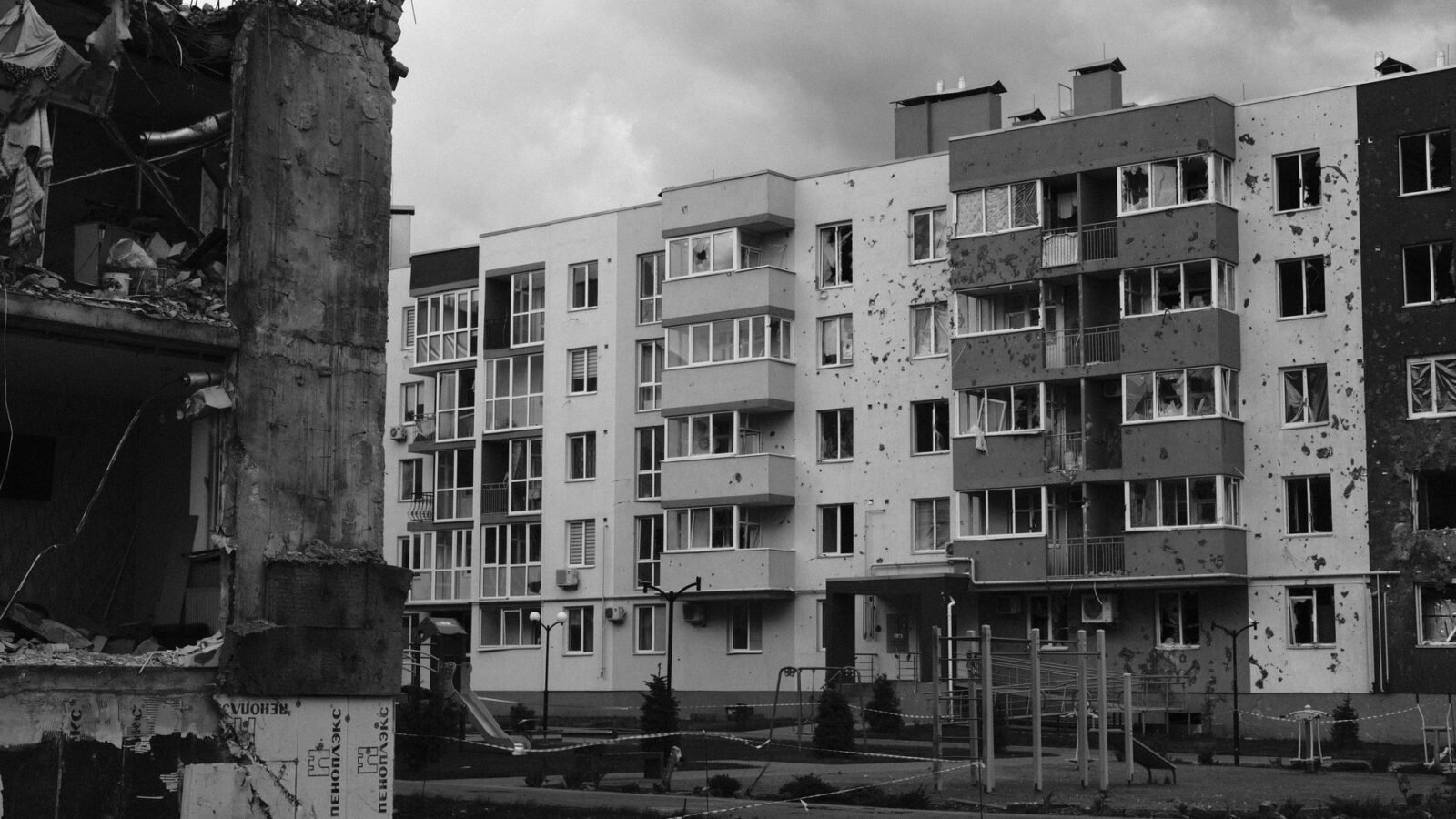
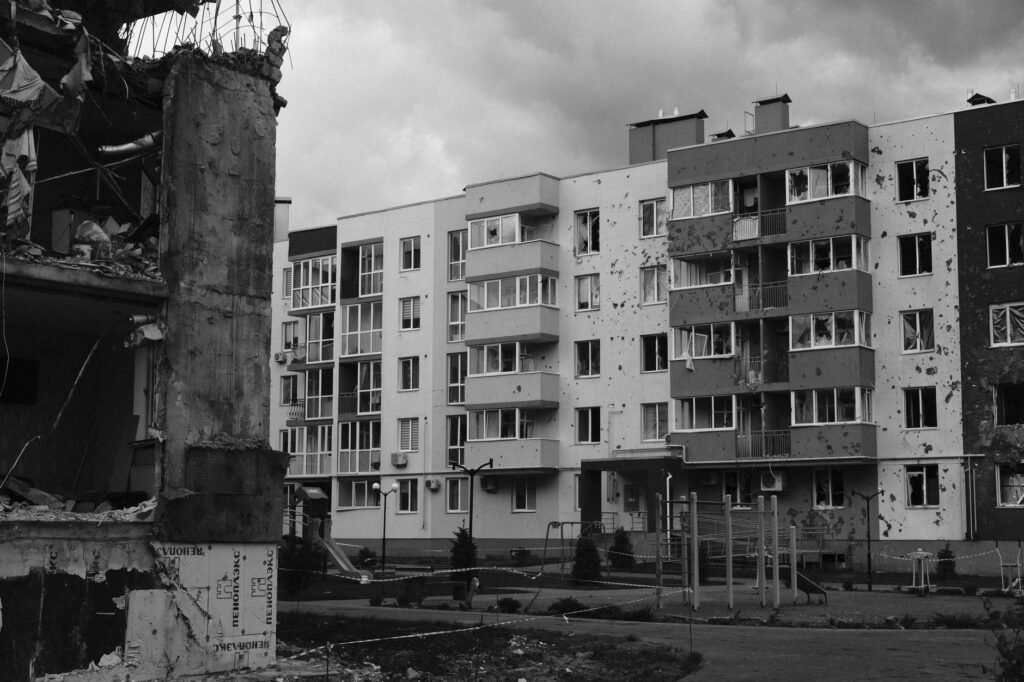
Recent Ukrainian military actions resulted in strikes deep within Russian territory, specifically targeting the Belgorod region. The acting governor of Belgorod reported six fatalities, including a 14-year-old child, and four additional injuries. While cross-border shelling has occurred with some regularity since the full-scale invasion commenced, these particular strikes are notable for their reported casualty count and the implicit challenge they pose to the prevailing understanding of the conflict's operational geography. The nature of the munitions used has not been publicly specified, nor has Ukraine officially claimed responsibility, adhering to a pattern of strategic ambiguity regarding operations within Russian borders.
Why it is contested
The strategic significance of these strikes is subject to considerable debate. On one hand, they could be interpreted as a direct response to sustained Russian missile and drone attacks on Ukrainian cities, an attempt to impose a reciprocal cost. On the other, they might signal a deliberate expansion of Ukraine's operational scope, aiming to disrupt Russian logistics, military staging areas, or even civilian morale. The absence of definitive information regarding the targets—whether military installations or civilian infrastructure—further complicates any singular interpretation. What is clear is that these events force observers to reconsider the implicit 'red lines' that have, to varying degrees, constrained the conflict's geographical reach.
The competing narratives
One prevalent narrative posits that the Belgorod strikes are primarily retaliatory and attritional. Proponents of this view argue that Ukraine, facing a protracted conflict and ongoing assaults on its own territory, is compelled to demonstrate its capacity to inflict damage within Russia. This serves to tie up Russian air defence assets, complicate logistical movements, and potentially erode public support for the war within Russia. The strongest objection to this reading is that such limited, albeit tragic, strikes are unlikely to alter Russia's strategic calculus significantly, and might instead be used by Moscow to galvanise domestic support and justify further escalations, rather than deter them.
A competing interpretation suggests a more ambitious strategic objective: to signal a fundamental shift in Ukraine's approach, potentially aiming to create a 'buffer zone' of insecurity along the border or to compel Russia to divert resources from the front lines to homeland defence. This perspective views the strikes not merely as tit-for-tat, but as part of a longer-term strategy to shape the operational environment. The primary counter-argument here is the inherent risk of escalation. Such actions, particularly those resulting in civilian casualties, carry the potential for disproportionate Russian responses, including the deployment of more destructive weaponry or intensified strikes against Ukrainian urban centres, without a clear path to achieving the stated strategic goal.
What to watch next
The immediate focus will be on Russia's response. Will Moscow frame these incidents as isolated acts of terrorism requiring a punitive response, or will it integrate them into a broader narrative of an existential threat justifying further military mobilisation or intensified attacks on Ukraine? Attention will also turn to the types of weaponry used. While the exact munitions remain undisclosed, any indication that Western-supplied long-range systems were involved would introduce a new dimension to the debate, potentially testing the limits of international partners' willingness to equip Ukraine for operations inside Russia. Finally, the frequency and scale of future Ukrainian cross-border operations will be critical. A sustained campaign would suggest a deliberate strategic shift, while isolated incidents might be interpreted as responses to specific Russian provocations.
The bottom line
The Belgorod strikes underscore the fluid and expanding nature of the conflict, challenging the notion of a contained war. They force a re-evaluation of the implicit boundaries of engagement and the strategic utility of cross-border operations. Whether these events represent a calculated escalation towards a new phase of the conflict, a tactical response to immediate pressures, or an inevitable consequence of proximity remains to be seen. The critical question is not merely what happened, but what it signals about the future geographical and escalatory trajectory of the war.
Source material: BBC News