Indonesia Quake Tests Disaster Response Capacity, Fiscal Resilience
Predictive Analysis
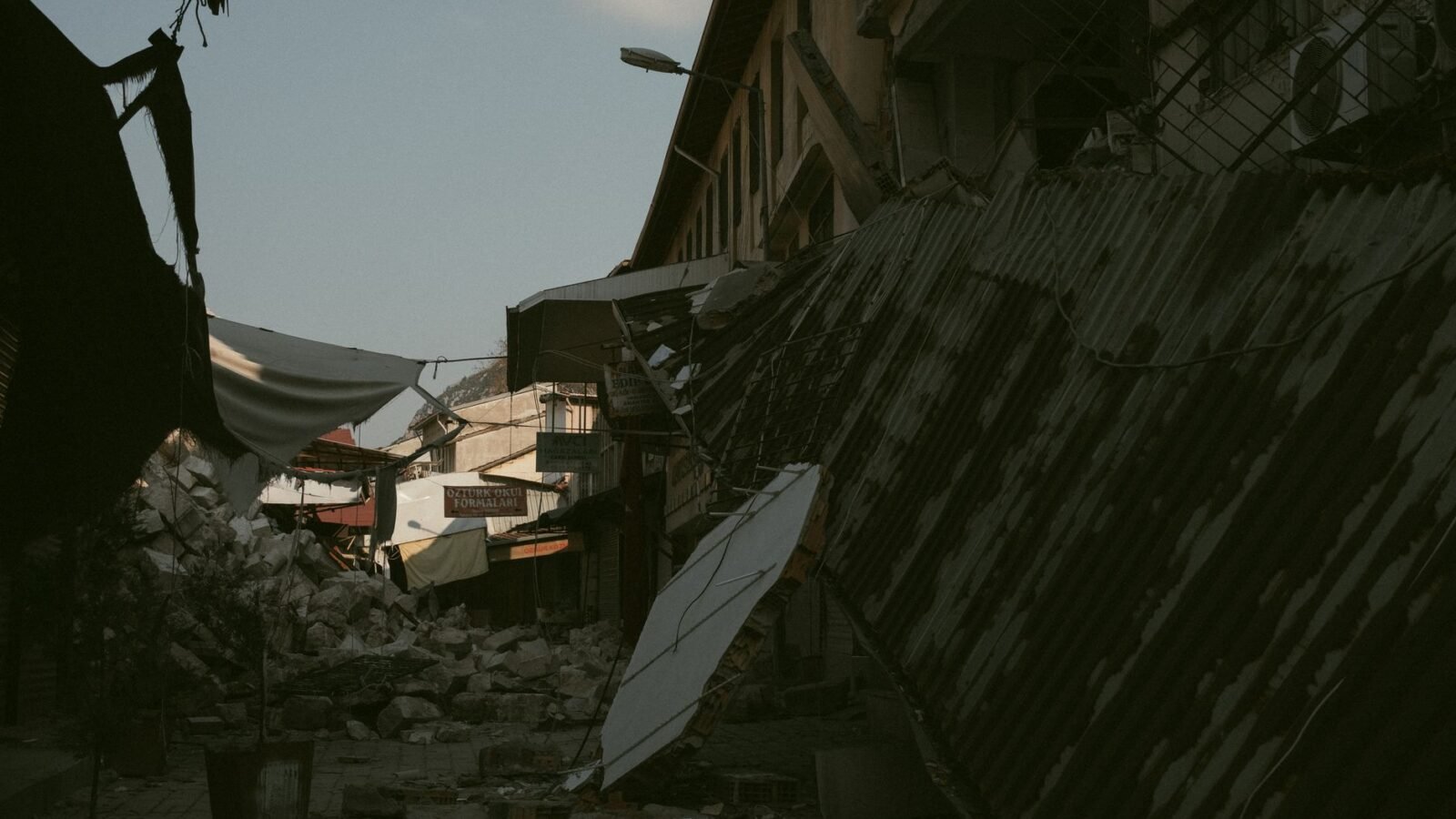
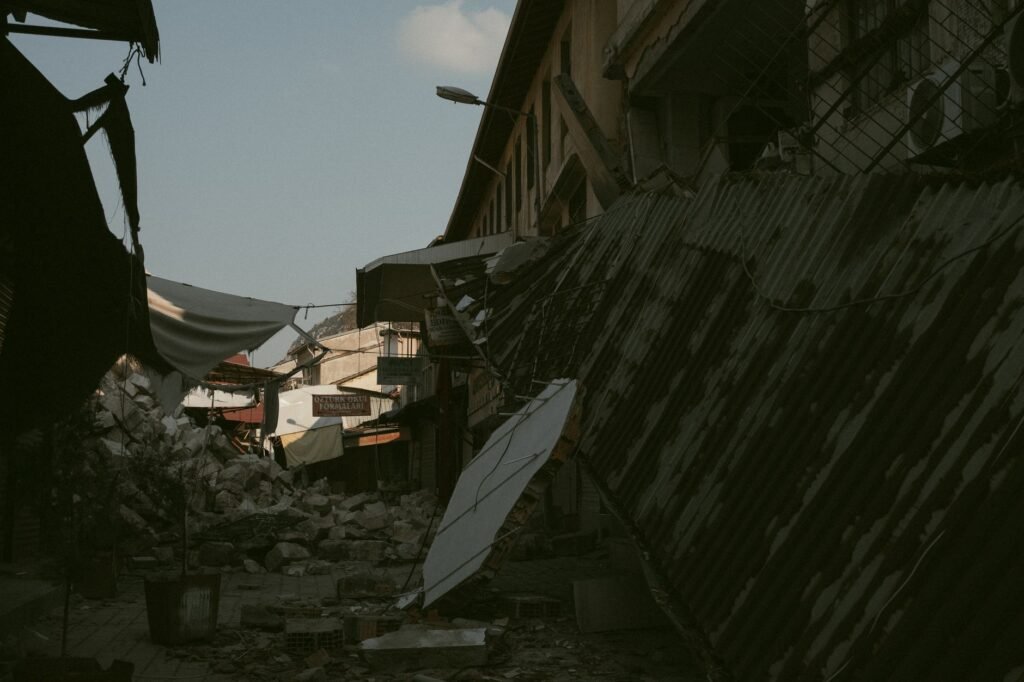
A magnitude 7.7 earthquake in East Nusa Tenggara highlights the systemic vulnerabilities in Indonesia's disaster management framework and its fiscal capacity to respond.
The signal
The magnitude 7.7 earthquake striking Indonesia's East Nusa Tenggara province presents more than a localised humanitarian emergency. It functions as a potent signal regarding the persistent, underlying vulnerabilities within a nation frequently exposed to seismic and volcanic activity. While the immediate focus remains on rescue and aid distribution to thousands displaced, the event compels a re-evaluation of Indonesia's national disaster management strategy, its fiscal shock absorption capacity, and the efficacy of its decentralised governance in crisis scenarios.
The recurrence of significant seismic events in the Indonesian archipelago is a known constant, yet each new disaster exposes the variable success of preparedness measures. The critical question is not merely whether aid arrives, but whether the mechanisms for its deployment, the resilience of local infrastructure, and the agility of central-local coordination have materially improved since prior incidents. The current situation in East Nusa Tenggara provides a live case study for assessing these advancements, or their absence, against the backdrop of an archipelagic nation striving for sustained economic development.
The mechanism
Indonesia's disaster response mechanism operates within a complex interplay of central government directives, provincial autonomy, and the inherent challenges of geography. The nation’s disaster management agency, BNPB, is designed to coordinate, but its effectiveness is often contingent on the pre-existing capacity and political will of local administrations. In remote or less developed regions, such as parts of East Nusa Tenggara, this capacity can be severely limited. The mechanism for aid delivery, therefore, is not a simple logistical chain but a political and bureaucratic negotiation, often made more intricate by damaged infrastructure and communication breakdowns.
Furthermore, the fiscal mechanism for disaster recovery is perpetually under strain. While dedicated contingency funds exist, their adequacy is frequently challenged by the cumulative impact of multiple, often simultaneous, natural disasters across the vast archipelago. The immediate costs of emergency relief, coupled with the longer-term demands of reconstruction, can divert resources from planned development projects and exacerbate existing debt burdens. The speed and scale of international aid mobilisation become critical variables, not merely supplements, to the national response. The true test of the mechanism lies in its ability to transition from immediate relief to sustainable recovery and reconstruction without creating long-term fiscal liabilities or exacerbating regional inequalities.
Who gains and who is exposed
In the immediate aftermath of such events, humanitarian organisations and disaster relief agencies gain increased operational scope and, often, enhanced public visibility, which can translate into greater funding for future efforts. For the Indonesian central government, demonstrating effective and rapid response can bolster domestic political legitimacy and international standing. Conversely, any perceived failures or delays expose the administration to criticism, both domestically and from external observers scrutinising governance capabilities.
The primary exposure, beyond the immediate human toll, falls upon the affected communities, who face prolonged displacement, loss of livelihoods, and the psychological burden of recovery. Economically, local businesses and infrastructure in East Nusa Tenggara are severely exposed, with long-term implications for regional economic output and investment. At a national level, the Indonesian state budget is exposed to unbudgeted expenditures, potentially impacting fiscal targets and credit ratings if the scale of the disaster response proves particularly onerous or prolonged. International donors and multilateral institutions are also exposed to the political and logistical challenges of ensuring aid reaches its intended recipients efficiently and effectively, often navigating complex local dynamics.
Leading indicators to track
Several leading indicators will offer insight into the trajectory of Indonesia's response and recovery. The most immediate is the speed of access for humanitarian convoys to the most affected, isolated areas. This will signal the integrity of critical infrastructure and the efficacy of logistical coordination. Secondly, the promptness and transparency of the government's damage assessment and needs analysis will be crucial. A delayed or opaque assessment suggests internal coordination difficulties or an unwillingness to confront the full scale of the challenge.
Further indicators include the level and type of international assistance requested and received, which will reveal the perceived gaps in national capacity. Track the proportion of aid delivered through direct government channels versus non-governmental organisations, as this indicates trust and operational efficiency. Over the medium term, monitoring the allocation of central government funds for reconstruction, alongside any adjustments to the national budget, will illuminate the fiscal commitment. Finally, the rate of return of displaced populations to their homes or to temporary housing, coupled with the restoration of essential services like power and water, will provide a ground-level measure of recovery progress.
The twelve-month forecast
The next twelve months will be critical in determining whether this earthquake becomes another episodic crisis or a catalyst for systemic improvements in Indonesia's disaster resilience. The immediate humanitarian phase will likely extend for several weeks, followed by a more prolonged period of temporary shelter provision and initial infrastructure repairs. The transition to comprehensive reconstruction will be slow, hampered by geographic challenges and potential bureaucratic bottlenecks.
Fiscal pressures on the Indonesian government are likely to mount, particularly if other major natural disasters occur elsewhere in the country. This could necessitate reallocations from existing development budgets or, in extreme scenarios, lead to increased sovereign borrowing. International aid will be significant in the short term but its long-term impact will depend on effective local absorption capacity and robust oversight. The political implications could see increased scrutiny of regional governance, potentially prompting calls for greater centralisation of disaster response protocols or, conversely, empowering more resilient local structures. The enduring question will be whether the nation can leverage the immediate crisis to build genuinely more resilient infrastructure and more responsive governance, or if the cycle of reactive crisis management will persist.
Scenario matrix
| Scenario | Probability | Confirming trigger |
|---|---|---|
| Accelerated Resilience Building: The earthquake prompts a significant, sustained investment in disaster-resilient infrastructure and enhanced inter-agency coordination, partially funded by increased international support and a reprioritisation of national spending. | 30% | Within six months, the government announces a multi-year, ring-fenced national disaster resilience fund, coupled with demonstrable streamlining of aid delivery protocols and a marked increase in local capacity-building programmes in other high-risk regions. |
| Muddling Through: Recovery proceeds slowly, with aid reaching affected areas but long-term reconstruction hampered by bureaucratic inefficiencies, funding shortfalls, and the sporadic nature of international support. Systemic vulnerabilities largely persist. | 55% | Twelve months post-event, a significant proportion of displaced populations remain in temporary shelters, and key infrastructure rebuilds are behind schedule, with no major policy shifts in national disaster management or significant increases in dedicated funding beyond initial emergency outlays. |
| Compounded Crisis: Recovery from the East Nusa Tenggara earthquake is severely complicated by another major natural disaster in a different part of the archipelago, or by significant domestic political instability, overwhelming national response capacity and diverting resources. | 15% | A second major natural disaster (magnitude 7.0+ earthquake, significant volcanic eruption, or major tsunami) occurs elsewhere in Indonesia within the next nine months, necessitating a large-scale, separate national response, or a significant political crisis emerges that destabilises governance. |
Probabilities are estimates, not certainties. They are published so the forecast can be scored later.
Source material: Al Jazeera – Breaking News, World News and Video from Al Jazeera