Conakry Landfill Disaster: Beyond the Immediate Catastrophe
Trending Global
The collapse of a major waste site in Guinea's capital, burying homes and killing dozens, reveals systemic governance challenges extending beyond mere infrastructure failure.
What just happened
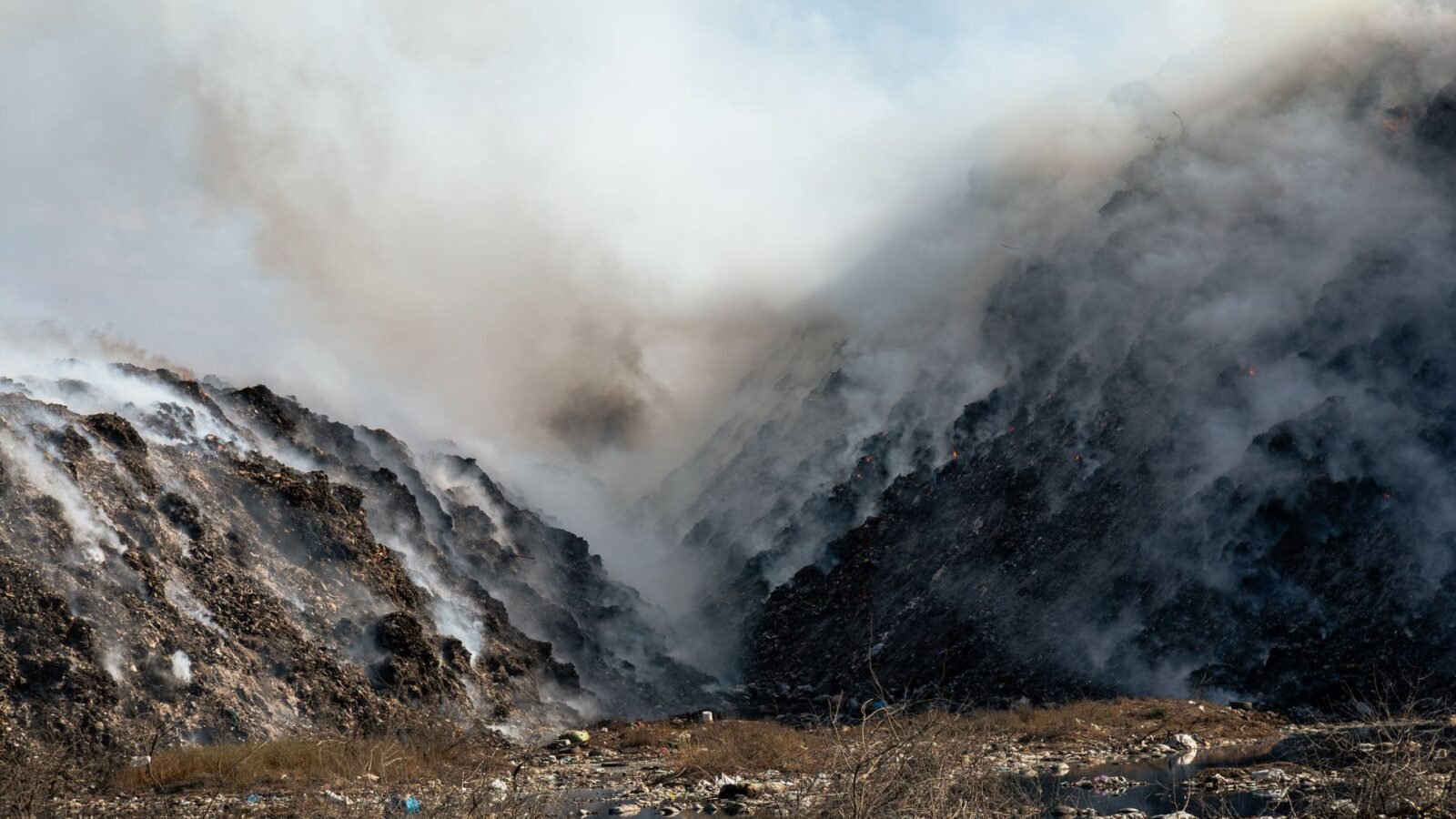
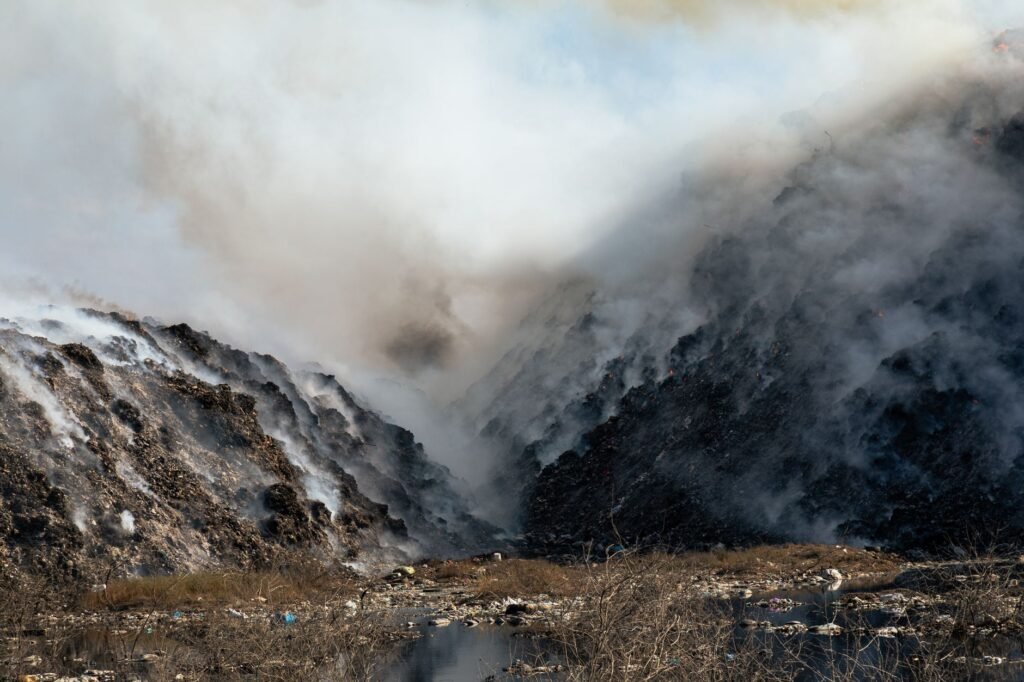
A substantial section of a major waste disposal site in Conakry, Guinea, failed, leading to a catastrophic collapse. The resulting landslide of refuse inundated adjacent informal settlements, burying numerous homes and causing the deaths of at least 31 individuals. Government statements have identified the unstable mound of accumulated rubbish as the direct cause of the structural failure, initiating a response focused on rescue and recovery efforts within the devastated area.
Why it is contested
The official narrative, attributing the incident primarily to the sheer volume and instability of the waste, offers a proximate cause but elides deeper systemic questions. The contestation arises from the long-standing context of urbanisation in Conakry, where rapid population growth has outpaced formal infrastructure development and regulatory oversight. The proximity of residential structures, albeit informal, to a known hazardous site like a landfill, raises immediate questions about land use planning, enforcement, and the protection of vulnerable populations. Framing the event as an isolated 'accident' rather than a predictable consequence of chronic neglect is where the official account diverges sharply from broader public and expert analysis.
The competing narratives
One prevailing narrative posits that the landfill collapse was an unfortunate, albeit tragic, consequence of natural forces exacerbated by the inherent challenges of waste management in a densely populated urban environment. Proponents of this view might argue that the sheer scale of waste generation in a rapidly urbanising city makes such incidents difficult to prevent entirely, even with diligent management. They might point to the logistical complexities of site selection, waste compaction, and leachate management, suggesting that the collapse, while devastating, does not necessarily imply gross negligence but rather the limits of available resources and technical capacity. The strongest objection to this reading is that it externalises responsibility, overlooking the political economy of urban planning that allows informal settlements to proliferate in high-risk zones, often without access to basic services or legal protections. It treats the symptoms (the collapse) without addressing the underlying pathology (unregulated urban expansion into hazardous areas).
A competing interpretation frames the disaster as a direct outcome of governance failures, implicating a lack of effective urban planning, regulatory enforcement, and investment in resilient infrastructure. This perspective argues that the presence of homes so close to an active landfill is not an accident but a symptom of a broader breakdown in state authority over land use and citizen protection. It suggests that the tragedy was not unforeseen but rather a disaster waiting to happen, given the known risks associated with unstable waste mounds and informal habitation. The strongest objection to this narrative is that it risks oversimplifying complex socio-economic dynamics, potentially underestimating the agency of individuals who choose to reside in such areas due to economic necessity, and the genuine resource constraints faced by governments in rapidly expanding cities. It implies a level of state capacity that may not exist, even if the intent to regulate were present.
What to watch next
The immediate aftermath will focus on the government's handling of the humanitarian crisis, including victim identification, displacement, and emergency relief. Beyond this, attention will shift to any official inquiry into the causes of the collapse and the extent to which its findings are made public and acted upon. The political implications will be significant: whether the government can demonstrate a credible commitment to preventing future occurrences, through either more robust urban planning or compensation for affected communities, will be crucial. Observers will also be looking for any shifts in public sentiment or organised protests, which could signal deeper dissatisfaction with the state's role in ensuring urban safety and equity. Any sustained pressure for accountability, particularly concerning land allocation and informal settlements, will be a key indicator.
The bottom line
The Conakry landfill collapse is a stark illustration of the severe challenges confronting rapidly urbanising nations, where the informal growth of cities often outpaces the formal capacity for governance and infrastructure. While the immediate cause is clear, the underlying drivers are contested, reflecting a broader struggle over accountability, urban planning, and the rights of vulnerable populations. Will this tragedy catalyse a fundamental re-evaluation of Conakry's urban development model, or will it be absorbed into the ongoing cycle of crisis management without addressing the deep-seated vulnerabilities it exposed?
Source material: BBC News