Dangote’s Industrial Gambit: A Test Case for African Economic Reorientation
Trending Global
The Dangote Group's expansion into refining and petrochemicals challenges conventional wisdom on African industrialisation, but its singular scale also presents systemic risks.
What just happened
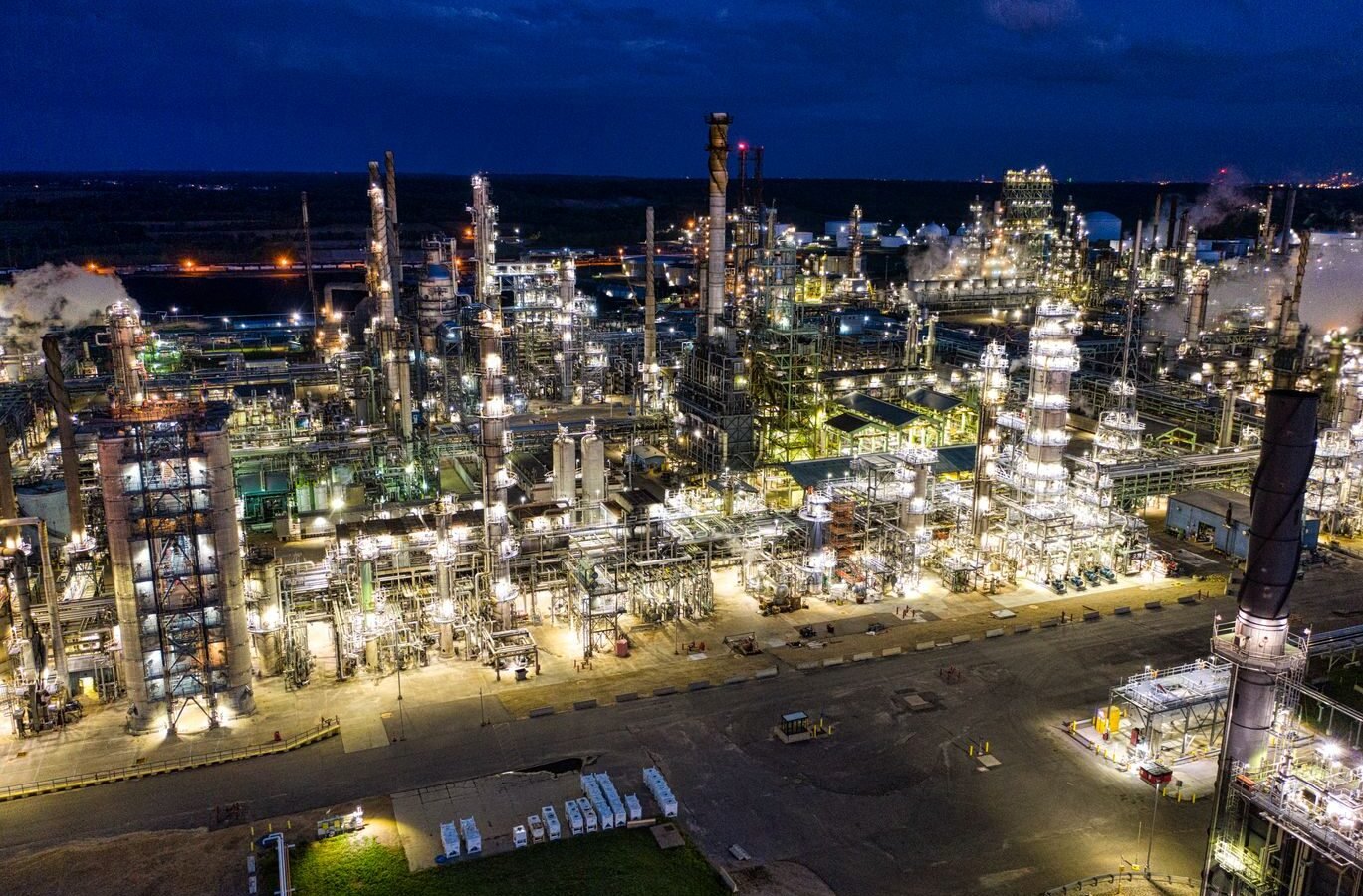
The Dangote Group, a Nigerian conglomerate, has initiated operations at a substantial new oil refinery and petrochemical complex. This facility is designed to process a significant volume of crude oil, aiming to address Nigeria's longstanding reliance on imported refined petroleum products despite being a major crude exporter. The scale of the project is unprecedented on the continent, representing a singular private investment in critical industrial infrastructure that extends beyond refining into fertiliser and petrochemical production. This development signifies a tangible shift in the country's industrial landscape and, by extension, potentially the broader African economic model, away from raw material export towards value-added domestic processing.
Why it is contested
The emergence of the Dangote complex as a potential economic linchpin for Nigeria, and even West Africa, has ignited a debate over the optimal path for African industrialisation. The core contention revolves around whether such an enormous, privately financed venture represents a sustainable and replicable model for development, or if it embodies a concentration of economic power that could introduce new vulnerabilities. Advocates point to the potential for import substitution, job creation, and the diversification of export revenues. Detractors, however, raise concerns about market dominance, the potential for crowding out smaller enterprises, and the systemic risk associated with the operational success of a single, colossal entity in a volatile economic environment. The project's sheer size makes it a unique case study, pushing the boundaries of conventional development economics.
The competing narratives
One dominant narrative posits that the Dangote complex is a trailblazing example of an indigenous African entity taking the initiative to unlock latent value within the continent's resource base. Proponents argue that by processing crude oil domestically, Nigeria can capture a greater share of the value chain, stabilise its fuel supply, and create a platform for further industrial growth. This perspective views the project as a necessary and bold step towards economic sovereignty, reducing dependence on external markets for essential goods. The strongest objection to this reading is that such a capital-intensive, vertically integrated behemoth might be an unreplicable anomaly, distorting market dynamics and potentially stifling the growth of a more diverse, competitive industrial ecosystem that a distributed network of smaller, specialised firms might foster.
A counter-narrative suggests caution, viewing the Dangote mega-project as a high-stakes gamble that could centralise economic risk. This perspective highlights the historical challenges of large-scale industrial projects in developing economies, particularly concerning governance, operational efficiency, and market responsiveness. Critics question whether a single private entity can effectively manage such a vast and complex enterprise without undue market influence or potential for policy capture. The strongest objection to this cautious view is that, given the immense infrastructure deficit and capital requirements across Africa, only projects of this scale, backed by significant private capital and entrepreneurial drive, can genuinely move the needle on industrialisation, with smaller ventures perpetually struggling for financing and market access. The argument is that incrementalism has failed; only a leap of this magnitude offers a chance for transformative change.
What to watch next
The immediate focus will be on the operational ramp-up and sustained output of the refinery and petrochemical plants. Market observers will track the facility's impact on Nigeria's fuel import bill, domestic pricing structures, and its capacity to penetrate regional export markets. Beyond the immediate economic metrics, the long-term implications for Nigeria's industrial policy will be crucial. Will the success of this model encourage similar large-scale, private sector-led ventures in other African nations, or will its challenges deter such ambitions? The regulatory environment surrounding the complex, particularly regarding competition and pricing, will also provide insights into the government's approach to managing a dominant private player in a critical sector. The ability of the project to stimulate a broader ecosystem of ancillary industries and local content development will be a key indicator of its broader developmental impact, moving beyond mere output figures.
The bottom line
The Dangote industrial complex represents a live experiment in African economic development, challenging the prevailing wisdom on industrialisation pathways. Its success or failure will not merely be a corporate outcome but a continental lesson in the efficacy of large-scale, private-sector-driven import substitution versus more diversified, incremental industrial growth. The central question remains whether such a singular industrial anchor can genuinely uplift an entire economy, or if its very scale makes it an outlier, incapable of broad replication, leaving the fundamental challenges of distributed industrial development unaddressed.
Source material: Bloomberg Markets