Geopolitical Oil Shocks Threaten Global Food Security to 2030
Strategic Foresight
Escalating geopolitical tensions in major oil-producing regions are poised to fundamentally alter agricultural production costs and global food security dynamics through 2030.
The starting conditions
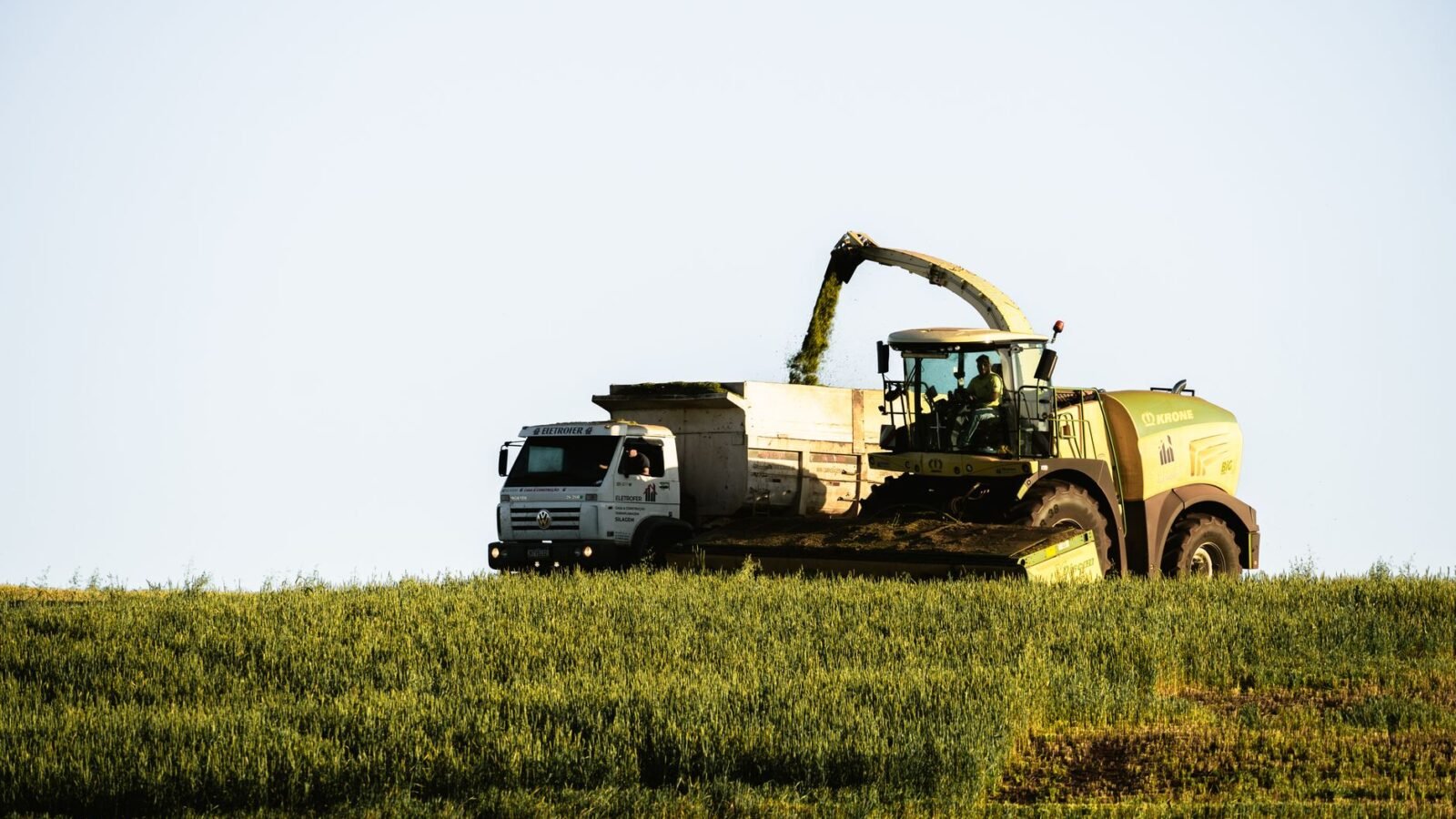
The global agricultural sector currently operates within an energy-intensive paradigm, heavily reliant on diesel for planting, harvesting, and transportation. Recent disruptions in the global oil market, notably stemming from geopolitical tensions involving Iran, have pushed average diesel prices above $5 a gallon. This immediate cost increase is not merely a transient market fluctuation but rather an indicator of deeper structural vulnerabilities. The assessment that the US may lack 'full and unfettered access' to global oil markets underscores a fundamental shift in energy supply certainty, moving from an assumption of availability to one of constrained access.
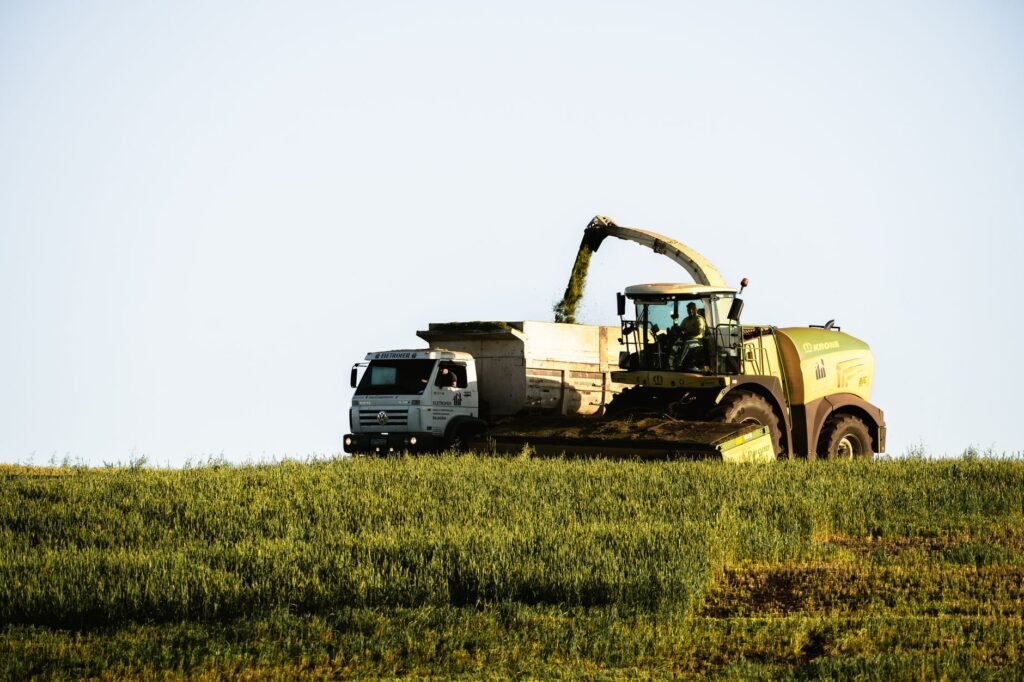
This elevated energy cost environment directly translates into higher operational expenses for farmers worldwide. The impact is particularly acute during harvest seasons, where fuel consumption peaks. Beyond direct farm operations, the ripple effect extends to fertiliser production—a highly energy-intensive process—and the entire logistics chain of food distribution. The current conditions suggest that the era of relatively cheap and readily available energy inputs for agriculture may be receding, compelling a re-evaluation of long-term food production strategies and national food security postures.
Scenario one: Persistent energy inflation and agricultural de-globalisation
Under this scenario, geopolitical instability in key oil-producing regions persists or escalates, maintaining a floor under elevated crude oil prices and, by extension, diesel. This sustained energy inflation makes large-scale, export-oriented agriculture increasingly uneconomical for many nations. The cost burden of fuel for machinery, transport, and ancillary inputs such as fertilisers would render globally traded commodities less competitive against domestically produced alternatives, even if the latter are less efficient.
The primary consequence would be a gradual but significant de-globalisation of food supply chains. Nations would prioritise food sovereignty, investing heavily in domestic agricultural capacity, potentially through subsidies or protective tariffs, to mitigate reliance on expensive imports. This shift could lead to a fragmentation of global food markets, with regional trade blocs emerging as dominant conduits for agricultural goods. Consumers in import-dependent nations might face higher food prices and reduced dietary diversity, while exporting nations could experience surplus gluts if new markets do not emerge to replace traditional ones.
Scenario two: Accelerated agricultural technological transformation
This scenario posits that sustained high energy costs act as a powerful catalyst for technological innovation and adoption within the agricultural sector. Faced with prohibitively expensive traditional methods, farmers and agricultural enterprises would be compelled to invest in energy-efficient technologies at an accelerated pace. This could include the widespread adoption of electric or autonomous farm machinery, precision agriculture techniques that minimise fuel and input waste, and vertical farming or controlled-environment agriculture for high-value crops, particularly near urban centres.
The implications would be a gradual decoupling of food production from fossil fuel dependency. While initial capital expenditure for these technologies would be substantial, the long-term operational savings could render agricultural output more resilient to energy price shocks. This transformation could also shift the competitive landscape, favouring nations or companies capable of rapid technological deployment. However, it would also raise concerns about the digital divide in agriculture, potentially marginalising smaller farmers unable to afford the upfront investment, thereby consolidating agricultural power among larger, more capitalised entities.
Scenario three: Strategic energy market stabilisation and agricultural resilience
In this scenario, major global powers and energy producers undertake concerted efforts to stabilise oil markets, perhaps through new diplomatic frameworks, strategic petroleum reserve releases, or coordinated investment in alternative energy sources to ease supply constraints. This might involve a de-escalation of geopolitical tensions, allowing for a more predictable and accessible flow of oil. While diesel prices might not return to pre-crisis lows, they would stabilise at a manageable level, allowing agricultural planning to proceed without the threat of extreme energy cost volatility.
The outcome for agriculture would be a focus on resilience rather than radical transformation or de-globalisation. Investment would flow into optimising existing supply chains, improving crop yields through conventional means, and developing climate-resilient farming practices. Global food trade would continue, albeit with an increased emphasis on diversification of sourcing to mitigate regional supply risks. This scenario would allow for a more incremental evolution of the agricultural sector, where energy costs remain a factor but not the overwhelming determinant of viability. The challenge would be sustaining the political will for such global energy market coordination amidst competing national interests.
Wildcards that would break every scenario
A sudden, widespread breakthrough in agricultural energy independence, such as commercially viable, large-scale synthetic fuel production from non-fossil sources at competitive prices, could fundamentally alter the energy cost dynamics for agriculture, rendering all current scenarios obsolete. Conversely, a catastrophic global food production failure due to unforeseen climate events or widespread crop disease, independent of energy costs, would shift the focus entirely to survival and resource allocation, overriding economic considerations.
Furthermore, the emergence of a truly effective, global multilateral framework for resource security—encompassing both energy and food—that prioritises collective stability over national advantage could also invalidate these predictions. Such a framework would need to overcome deep-seated geopolitical rivalries and establish enforcement mechanisms capable of ensuring equitable access and managed pricing for essential commodities.
Strategic implications
The persistent elevation of diesel prices, driven by enduring geopolitical instability in critical oil-producing regions, presents a profound strategic challenge to global food security. Nations reliant on food imports will face increasing pressure to either secure long-term, stable energy supplies for their agricultural partners or to dramatically enhance domestic food production capabilities, potentially at higher cost. This could necessitate a re-evaluation of national security doctrines to include energy and food resource access as primary strategic imperatives.
For agricultural exporting nations, the strategic implication is a potential shift in market dynamics. While higher prices could initially benefit producers, the erosion of competitive advantage due to high internal energy costs, coupled with a global push for food sovereignty, could reduce export volumes over time. Investment in energy-efficient infrastructure and logistics will become paramount for maintaining competitiveness. The coming decade will likely be defined by a delicate balance between managing immediate energy costs and implementing long-term strategies to insulate food systems from future shocks. The question remains which nations will adapt quickly enough to avoid the most severe consequences of this energy-food nexus, and what new geopolitical alignments might emerge from this imperative.
Scenario matrix
| Scenario | Probability | Confirming trigger |
|---|---|---|
| Persistent energy inflation and agricultural de-globalisation | 45% | Average global diesel prices consistently remaining above $5/gallon (or equivalent) for more than 18 months, coupled with a measurable increase in national food import tariffs or domestic agricultural subsidies by major economies. |
| Accelerated agricultural technological transformation | 35% | A measurable increase in global investment in agricultural technology by more than 20% year-on-year for two consecutive years, with a notable shift towards energy-saving innovations, and a significant market penetration of electric or autonomous farm machinery in key agricultural regions. |
| Strategic energy market stabilisation and agricultural resilience | 20% | A verifiable de-escalation of major geopolitical tensions in the Middle East, leading to a sustained period (e.g., 12 months) where crude oil price volatility decreases by 50% from current levels, and major oil-producing nations announce coordinated, long-term supply agreements or investment plans. |
Probabilities are estimates, not certainties. They are published so the forecast can be scored later.
Source material: Bloomberg Markets