Himalayan Flash Floods: A Proxy for Geopolitical Fault Lines
Predictive Analysis
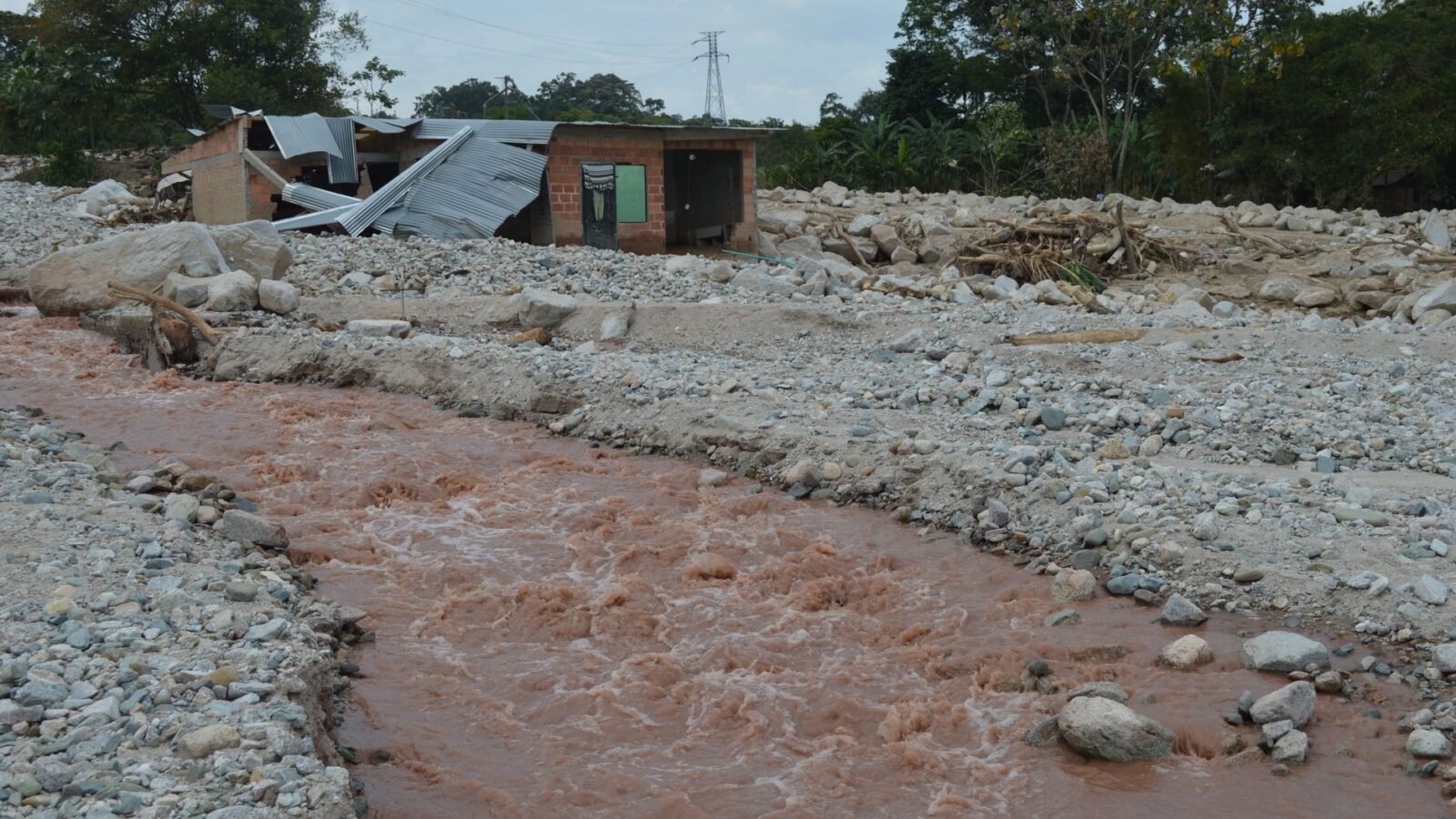
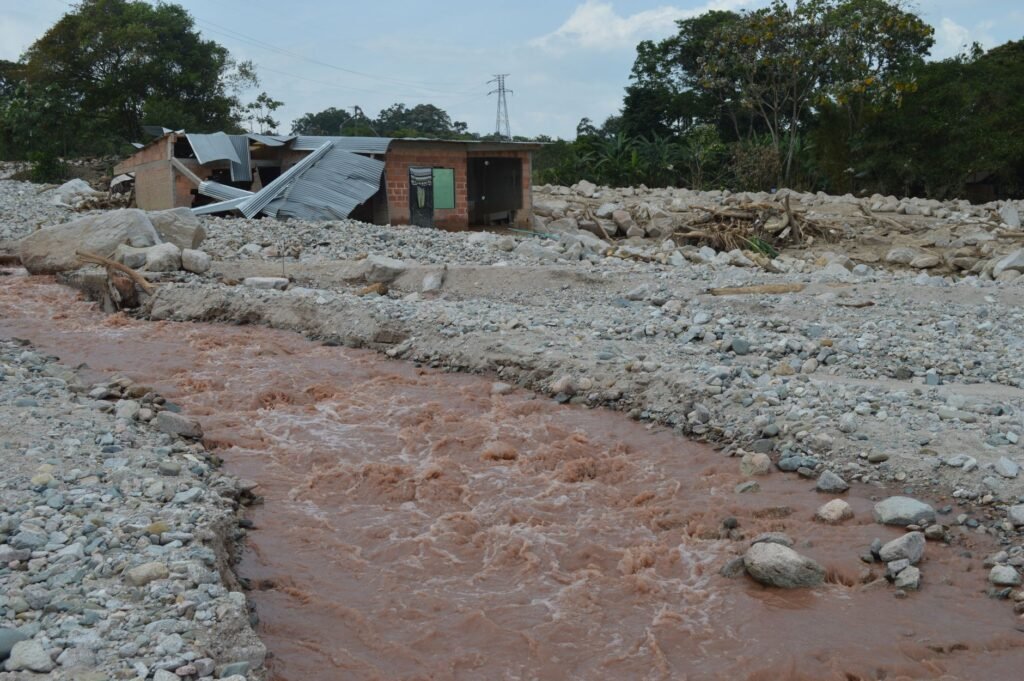
The recent flash floods in the Himalayas, while a natural calamity, reveal deeper geopolitical tensions and test regional resilience.
The signal
The sudden cessation of communication from Indian pilgrims in Tibet following flash floods is more than a localised tragedy; it functions as a geopolitical signal. In a region as strategically sensitive as the Himalayas, where several nations share contested borders and vie for influence, the absence of information itself becomes a data point. The immediate concern for the welfare of individuals quickly gives way to larger questions about communication protocols, cross-border intelligence, and the transparency of reporting from politically controlled territories. This incident, while ostensibly a natural disaster, illuminates the pre-existing fault lines in regional power dynamics, particularly concerning information flow and sovereign control over narrative.
The relative silence surrounding the fate of these pilgrims, beyond initial reports, draws attention to the inherent challenges of operating or even transiting through areas under tight state control, especially during crises. It forces an examination of which states can project influence or gather intelligence across their borders, and which are left to react to incomplete information. This dynamic is particularly acute in the Tibetan plateau, a region central to the hydrological security of South and Southeast Asia, yet one where information is frequently tightly managed. The floods, therefore, are not merely an environmental event but a stress test on the existing, often fragile, geopolitical architecture.
The mechanism
The mechanism by which a natural disaster morphs into a geopolitical indicator involves several layers. Firstly, the physical geography of the Himalayas dictates that events in one nation's territory can have immediate and severe downstream consequences for others. Glacial lake outburst floods (GLOFs), flash floods, and landslides do not respect political boundaries, making cross-border data sharing on hydrological conditions critical. When such sharing is absent or delayed, as is often the case in contested or sensitive areas, it creates a vacuum that suspicion can fill.
Secondly, the response to such events, or the lack thereof, reveals national capacities and priorities. A state's ability to locate and assist its citizens in a foreign, sensitive territory speaks to its diplomatic leverage and intelligence reach. Conversely, the host nation's willingness to facilitate such efforts, or its decision to restrict access and information, reflects its sovereignty assertions and strategic calculations. The opacity surrounding the Indian pilgrims' situation in Tibet, for instance, highlights the deep-seated mistrust that characterises Sino-Indian relations along their disputed border. It suggests a default mechanism of information control over humanitarian transparency, even in the face of a shared natural threat. This mechanism is amplified by the increasing frequency and intensity of extreme weather events, which will only accelerate the testing of these geopolitical fault lines.
Who gains and who is exposed
In the immediate aftermath of such an event, no party genuinely 'gains' from human suffering. However, the incident exposes vulnerabilities and reinforces certain geopolitical positions. India, as the nation whose citizens are affected, is exposed to the challenge of demonstrating its capacity to protect its diaspora and exert influence in a region where its primary rival, China, maintains tight control. A perceived inability to secure timely information or access for its citizens could be interpreted domestically and regionally as a weakness in its diplomatic and security apparatus.
Conversely, China, as the sovereign power over Tibet, finds its information control mechanisms reinforced. The ability to manage the flow of information, even amidst a natural disaster, underscores its assertion of complete authority over the region. However, this also exposes China to potential accusations of lacking transparency and humanitarian concern, particularly from international observers and neighbouring states. The incident also exposes the broader Himalayan region to the increasing reality of climate-induced instability. All riparian states are exposed to the risks of upstream events, creating a collective vulnerability that existing bilateral and multilateral mechanisms are ill-equipped to address, especially when political rivalries supersede environmental cooperation. The long-term implications for regional stability, water security, and even migration patterns are substantial, with no clear 'winner' in the face of escalating climate impacts.
Leading indicators to track
To discern the broader implications of such events, several leading indicators warrant close monitoring. The first is the nature and speed of official communication regarding the missing pilgrims. Any shift from vague statements to specific details, or the granting of consular access, would signal a potential, albeit temporary, de-escalation of information control. Conversely, continued silence or highly controlled narratives would suggest entrenchment.
Secondly, observe any changes in cross-border hydrological data sharing agreements or practices. While unlikely to be publicly announced, any movement towards greater transparency in upstream river flow data from Tibet would be a significant, if quiet, indicator of a shift in regional trust. Thirdly, monitor the rhetoric from state-controlled media in both India and China regarding the incident. An emphasis on humanitarian cooperation rather than national sovereignty could indicate a deliberate attempt to manage tensions. Finally, track any accelerated investments in early warning systems or disaster response infrastructure in the Indian Himalayan states, which would suggest a recognition of heightened climate risk and potential upstream vulnerabilities.
The twelve-month forecast
Over the next twelve months, the primary impact of this incident is unlikely to manifest as an overt geopolitical confrontation. Instead, its significance will lie in its contribution to the cumulative stress on regional relations and the acceleration of existing trends. The incident will likely reinforce the default posture of information opacity from Tibet, particularly concerning events that could be perceived as exposing vulnerabilities or requiring external intervention. This will further complicate humanitarian response planning for future climate events.
For India, the event will likely prompt an internal re-evaluation of its intelligence gathering and crisis response protocols for citizens in politically sensitive foreign territories. There may be increased, though possibly unstated, pressure for more robust early warning systems along its Himalayan border, and perhaps a quiet intensification of diplomatic efforts to secure better information-sharing mechanisms with upstream nations, even if these efforts yield limited public success. The broader regional trajectory will continue to see climate change as a destabilising factor, exacerbating existing tensions over water resources and border management, rather than fostering new avenues for cooperation. The flash floods serve as a stark reminder that while natural disasters are apolitical in origin, their consequences are deeply embedded in the geopolitical landscape.
Scenario matrix
| Scenario | Probability | Confirming trigger |
|---|---|---|
| Continued opacity and reinforcement of existing geopolitical divides, with limited humanitarian cooperation. | 60% | No substantive update on the missing pilgrims after 30 days, or a refusal of consular access. |
| Limited, pragmatic cooperation on humanitarian issues, without addressing underlying political tensions. | 30% | Official, albeit delayed, communication on the pilgrims' status, coupled with restricted consular access. |
| Escalation of rhetorical exchanges and increased focus on border security in the aftermath of the event. | 10% | Public accusations from either side regarding negligence or deliberate obstruction of humanitarian efforts. |
Probabilities are estimates, not certainties. They are published so the forecast can be scored later.
Source material: BBC News