Japan’s Infrastructure Stress Test: Beyond the Local Deluge
Predictive Analysis
A severe rainstorm in Japan, disrupting power and transport, signals a critical inflection point for the nation's vaunted infrastructure and disaster preparedness protocols.
The signal
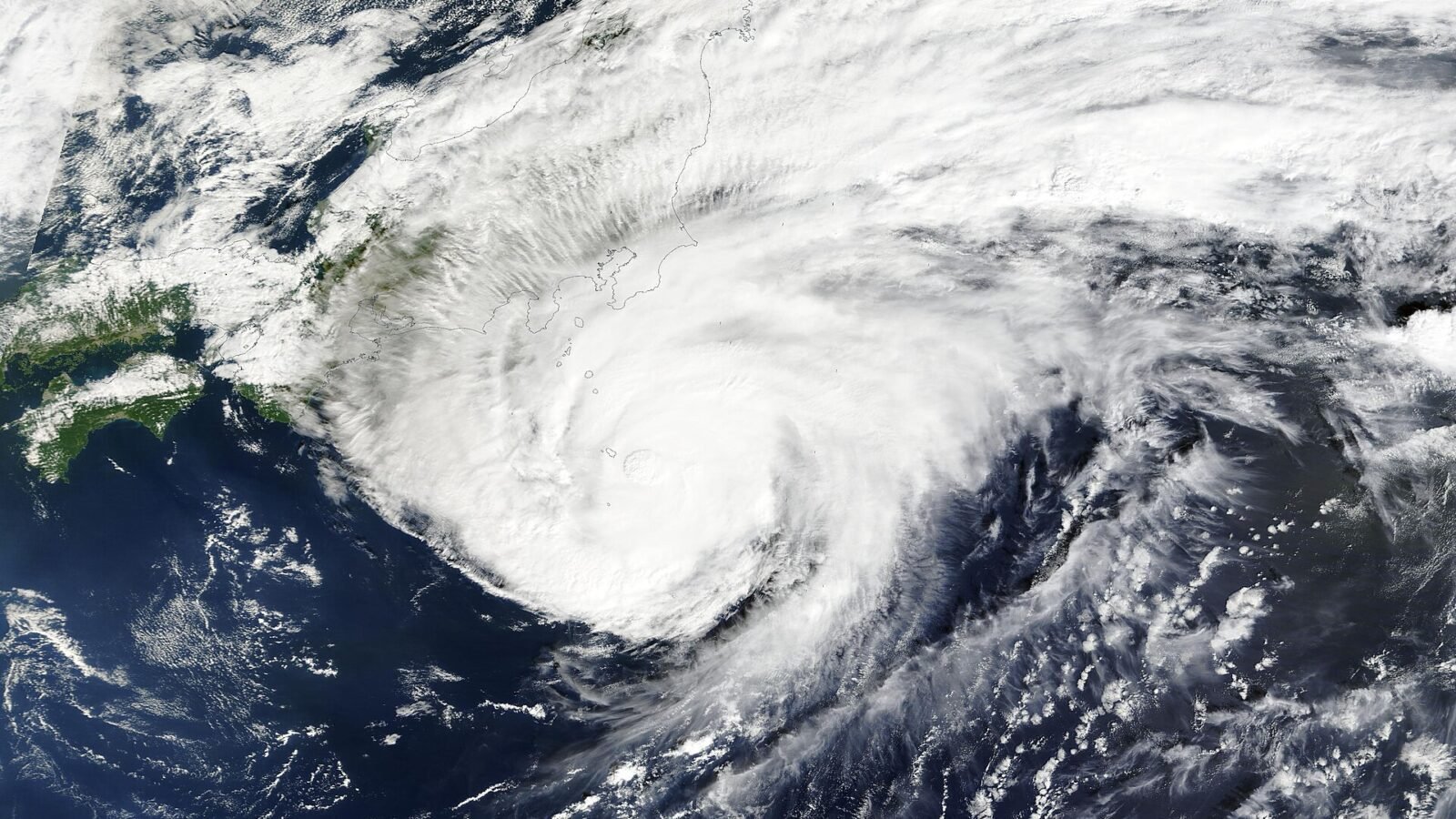
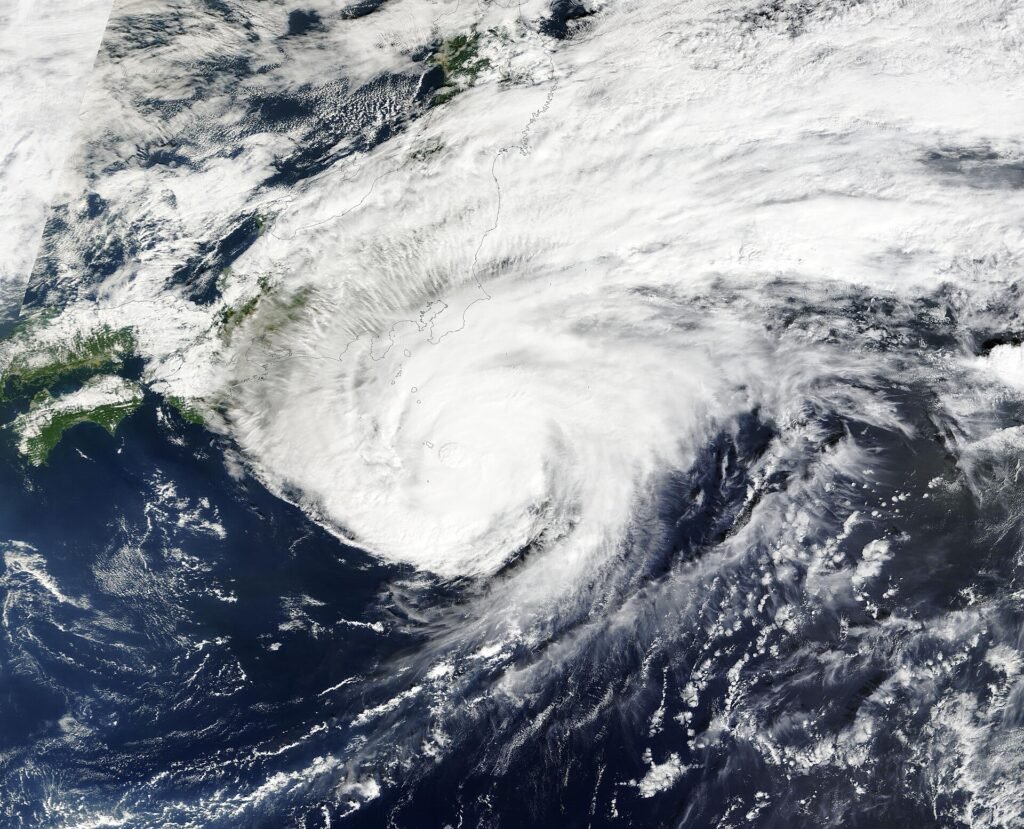
The recent 'unprecedented' rainfall in Japan, resulting in four fatalities, 20,000 household power outages, and 7,000 individuals stranded at Narita Airport, serves as more than a localised weather event. It functions as a critical stress test for Japan's infrastructure and its widely acknowledged, yet perhaps increasingly challenged, resilience model. While Japan has long been a global exemplar in disaster preparedness and engineering, the scale and impact of this particular storm suggest a potential shift in the baseline for 'extreme' weather. The disruption at Narita, a primary international gateway, is particularly salient, indicating that even core national assets are not immune to cascading failures under specific environmental pressures.
This event challenges the implicit assumption that existing infrastructure, designed to withstand a historical range of natural phenomena, will remain adequate in a future defined by accelerating climate volatility. The term 'unprecedented' is not merely descriptive; it implies that the statistical parameters informing current risk assessments may be obsolete. The signal, therefore, is not simply that a storm occurred, but that its effects penetrated layers of redundancy previously considered robust, prompting a re-evaluation of what constitutes acceptable risk and what level of investment is now required to mitigate it.
The mechanism
The mechanism by which such a weather event translates into systemic disruption is multifaceted. Firstly, the sheer volume and intensity of rainfall can overwhelm drainage systems, leading to localised flooding that compromises power substations, communication nodes, and transport arteries. The power outages affecting 20,000 households are a direct consequence, but the ripple effects are more profound. Modern economies are highly interdependent; a power outage in one area can disrupt supply chains far removed from the immediate impact zone, particularly for just-in-time manufacturing processes prevalent in Japan.
Secondly, the stranding of passengers at Narita Airport illustrates a critical vulnerability in urban and transport planning. While airports are designed for high throughput, their reliance on external infrastructure – road and rail links for passenger and freight movement, and stable power grids – creates single points of failure. When these external links are compromised simultaneously, the operational integrity of the airport itself, regardless of its internal resilience, is undermined. This highlights a classic network effect: the failure of a few critical nodes can lead to disproportionate system-wide collapse. The mechanism is not merely the storm's destructive force, but the way that force exposes the brittle interdependencies within a highly complex, advanced economy.
Who gains and who is exposed
In the immediate aftermath, construction and civil engineering firms specialising in climate-resilient infrastructure stand to gain from increased government spending on upgrades and repairs. Manufacturers of decentralised power solutions, such as advanced battery storage or microgrid components, may also see heightened demand as a hedge against grid instability. The insurance sector, particularly re-insurers, will face increased claims but may also leverage rising risk premiums to adjust pricing models, reflecting the new climate reality.
Conversely, sectors heavily reliant on predictable supply chains and uninterrupted logistics are exposed. Manufacturing, particularly automotive and electronics, could face delays and increased costs. The tourism sector, a significant contributor to Japan's economy, is also vulnerable; events like passengers being stranded at a major airport can deter future visitors, impacting revenue streams. Furthermore, the national budget is exposed to potentially escalating costs for disaster relief and infrastructure hardening, which could divert funds from other public investment priorities. Local municipalities, often with limited fiscal capacity, bear a disproportionate burden in the immediate response and recovery phases, exacerbating regional economic disparities.
Leading indicators to track
Several leading indicators will signal the unfolding implications of this event. Firstly, observe government budgetary allocations for disaster preparedness and infrastructure resilience in the next fiscal year. A significant increase beyond historical trends would indicate a policy pivot. Secondly, monitor corporate earnings reports for major Japanese manufacturers, specifically for mentions of supply chain disruptions, increased logistics costs, or revised production forecasts attributable to weather events. This will provide insight into the private sector's direct exposure and adaptive capacity. Thirdly, track public discourse and policy proposals regarding urban planning and land use regulations, particularly in coastal and riverine areas. Any move towards stricter building codes or relocation incentives would suggest a fundamental shift in long-term strategy. Finally, observe the evolution of insurance premiums for property and business interruption policies in Japan; sustained increases would reflect a market-driven re-assessment of risk.
The speed and scope of infrastructure repair, particularly for power and transport, will also serve as a crucial indicator of national capacity. While immediate repairs are expected, the nature of long-term investments in redundancy and climate-proofing will reveal whether this event is treated as an anomaly or a catalyst for systemic change. The political response, specifically the extent to which climate adaptation measures are integrated into national economic planning, will be a critical barometer.
The twelve-month forecast
Over the next twelve months, the immediate impact of the storm will likely transition into a more sustained policy debate concerning Japan's national resilience strategy. Expect a heightened focus on infrastructure investment, with particular attention paid to reinforcing power grids, enhancing flood defences, and diversifying transport links to reduce single points of failure. This will likely manifest as a series of public-private partnerships aimed at accelerating the deployment of new technologies and engineering solutions.
However, the fundamental tension between immediate economic priorities and long-term climate adaptation costs will persist. While there will be political impetus for action, the sheer scale of the investment required to truly climate-proof a nation as developed and geographically exposed as Japan will test fiscal limits. This period will likely see a proliferation of pilot projects and policy discussions, but concrete, large-scale implementation of transformative infrastructure changes may remain several years away. The question is not whether Japan will adapt, but at what pace, and whether that pace can outmatch the accelerating frequency of 'unprecedented' events.
Scenario matrix
| Scenario | Probability | Confirming trigger |
|---|---|---|
| Accelerated Infrastructure Hardening: Japan initiates a significant, multi-year national programme to upgrade critical infrastructure, focusing on climate resilience and redundancy. This includes substantial public investment and regulatory incentives for private sector participation. | 45% | Public announcement of a dedicated national resilience fund exceeding previous allocations, alongside new legislative mandates for climate-resilient engineering standards for all major public and private projects within the next six months. |
| Incremental Adaptation: The government implements targeted, reactive repairs and modest upgrades, but avoids a truly transformative national strategy due to fiscal constraints or competing priorities. Resilience improvements are piecemeal and localised. | 40% | Budgetary allocations for disaster preparedness show only marginal increases, and new infrastructure projects continue to focus on existing designs rather than radical climate adaptation within the next 12 months. Public discourse shifts away from systemic change after immediate repairs are completed. |
| Systemic Vulnerability Persists: Despite rhetoric, significant infrastructure vulnerabilities remain unaddressed. Subsequent 'unprecedented' weather events continue to cause widespread disruption, challenging Japan's economic stability and international reputation for reliability. | 15% | Another major weather event within 18 months causes similar or greater disruption to power, transport, and critical services, demonstrating a lack of meaningful systemic improvement. International credit ratings agencies begin to cite climate risk as a factor in Japan's sovereign debt outlook. |
Probabilities are estimates, not certainties. They are published so the forecast can be scored later.
Source material: BBC News