Kashmir Elections: The Illusion of Normalisation Amidst Deepening Contest
Trending Global
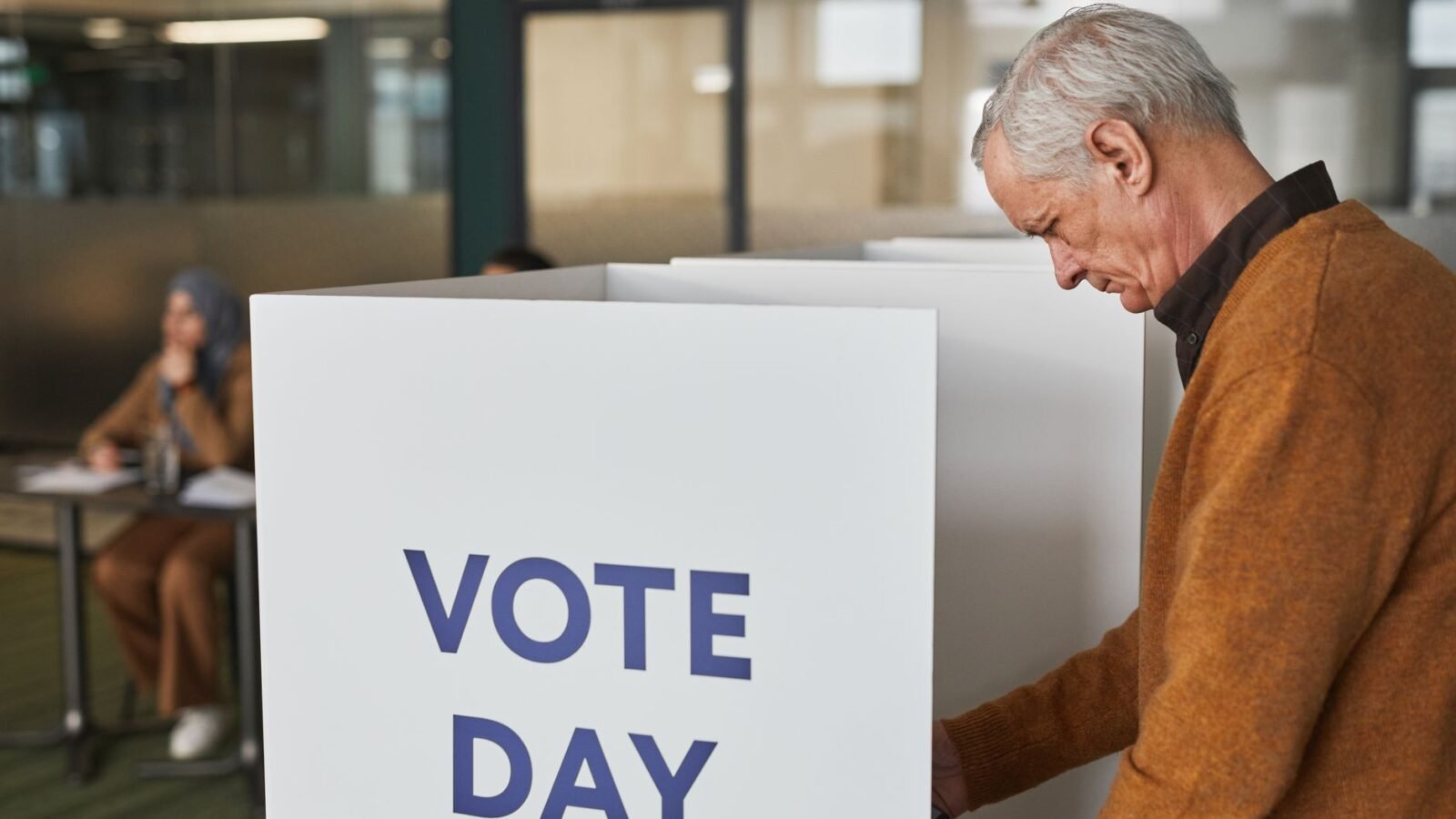
The final phase of voting in Pakistan-administered Kashmir has concluded, yet the electoral exercise reveals more about contested sovereignty than democratic progress.
What just happened
The final phase of voting has concluded in Pakistan-administered Kashmir, an electoral event presented by Islamabad as a routine exercise in democratic self-governance. The polls proceeded despite what were characterised as security concerns, reflecting the inherent volatility of a region under persistent geopolitical tension. These elections, ostensibly for local administrative bodies, are a regular feature of Pakistan's governance strategy for the territory it controls within Kashmir.
Why it is contested
The very premise of these elections is deeply contested, primarily because the territory itself is disputed. India views Pakistan-administered Kashmir as an illegally occupied part of its sovereign territory, rendering any electoral process orchestrated by Pakistan illegitimate. Conversely, Pakistan frames these elections as a demonstration of its commitment to democratic principles and local autonomy for the Kashmiri population under its administration. The international community, largely, maintains a cautious distance, acknowledging the de facto administrative control but refraining from endorsing either nation's maximalist claims.
The competing narratives
One dominant narrative, advanced by Pakistan, posits these elections as a move towards 'normalisation' and enhanced local governance. This perspective suggests that by holding regular polls, Pakistan is empowering the Kashmiri populace and integrating them into a democratic framework, thereby stabilising the region. The strongest objection to this reading is that such elections, by their very design, are seen as mechanisms to legitimate Pakistan's control over the territory, rather than genuine expressions of self-determination. Critics argue the scope of these elected bodies is inherently limited, operating within a constitutional framework that precludes any challenge to Pakistan's sovereignty, thus denying true political agency to Kashmiris.
An alternative narrative views these elections as a deliberate reinforcement of Pakistan's territorial claims, designed to solidify its administrative hold and counter India's own actions in the region, particularly after New Delhi's 2019 abrogation of Article 370 in Indian-administered Kashmir. This perspective holds that the elections are less about local empowerment and more about geopolitical manoeuvring in the long-standing dispute. The most significant objection here is that dismissing the elections entirely overlooks the potential for local political participation, however constrained. Even within a contested framework, some degree of local representation and service delivery can emerge, offering a limited form of democratic engagement that might otherwise be absent.
What to watch next
The immediate aftermath will see both Islamabad and New Delhi leverage the election results to bolster their respective claims. Pakistan will likely highlight voter turnout as evidence of popular endorsement for its administrative model, while India will predictably dismiss the entire exercise as a sham. The international response, particularly from major powers, will be crucial. Will there be any shift in the subtle diplomatic language used to describe these territories, or will the status quo of non-recognition of either claim prevail?
Beyond the immediate rhetoric, the long-term impact on the Kashmiri populace bears scrutiny. Will these elections genuinely lead to improved local governance and service delivery, or will they simply perpetuate a cycle of administrative control without addressing fundamental grievances regarding self-determination? The true test lies in whether the elected bodies can effect meaningful change within their limited mandates, or if they remain largely symbolic.
The bottom line
The conclusion of voting in Pakistan-administered Kashmir underscores a fundamental tension: can elections held within a disputed territory genuinely foster democratic normalisation, or do they merely serve to entrench the existing geopolitical stalemate? The question remains whether any electoral process, however meticulously conducted, can truly address the aspirations of a populace caught between competing sovereign claims without first resolving the overarching dispute itself.
Source material: Al Jazeera – Breaking News, World News and Video from Al Jazeera