Myanmar’s Rohingya Crisis: Three Futures to 2030
Strategic Foresight
The Rohingya crisis, rooted in statelessness, presents complex and divergent paths for Myanmar and the region over the next seven years.
The starting conditions
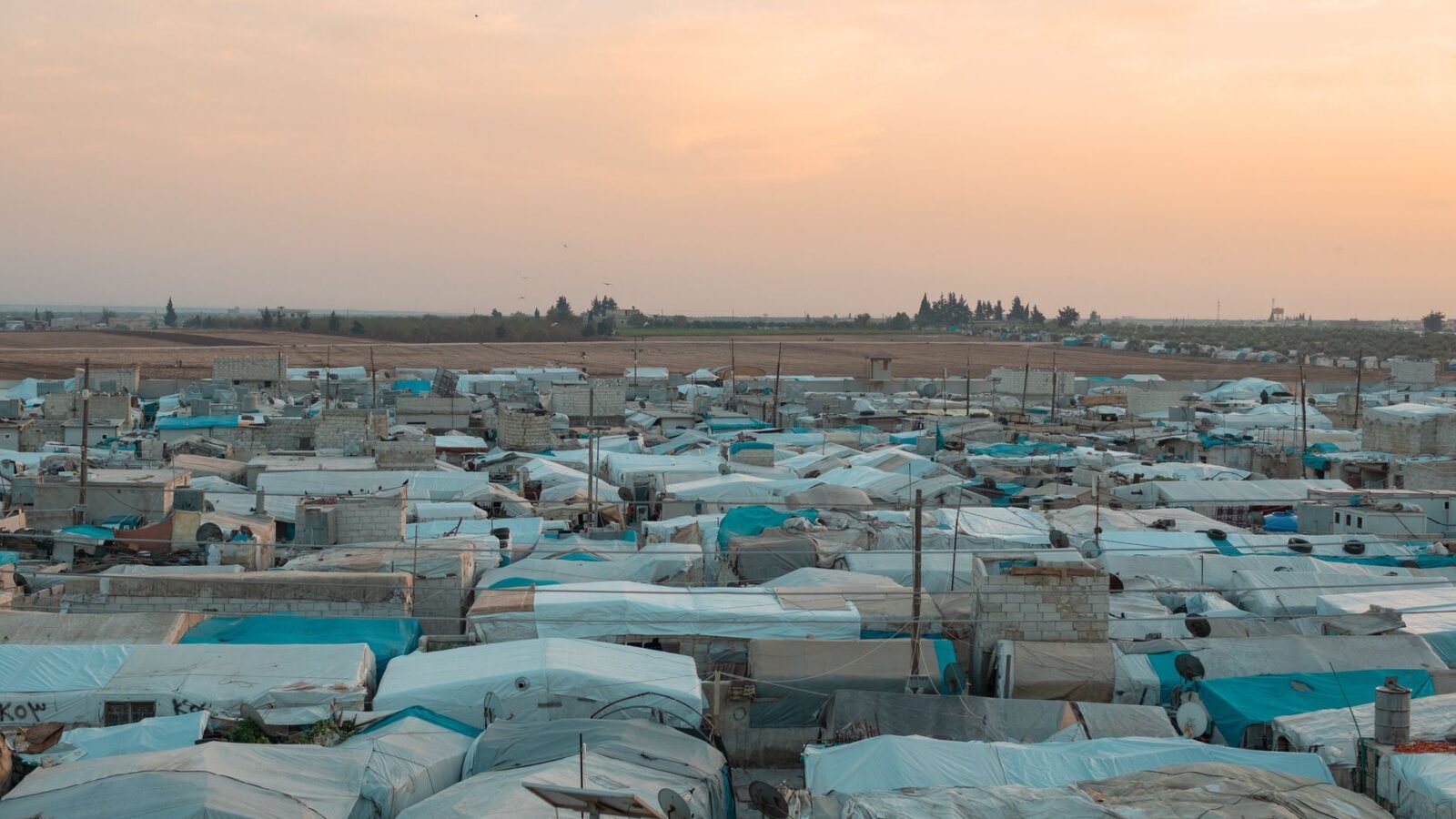
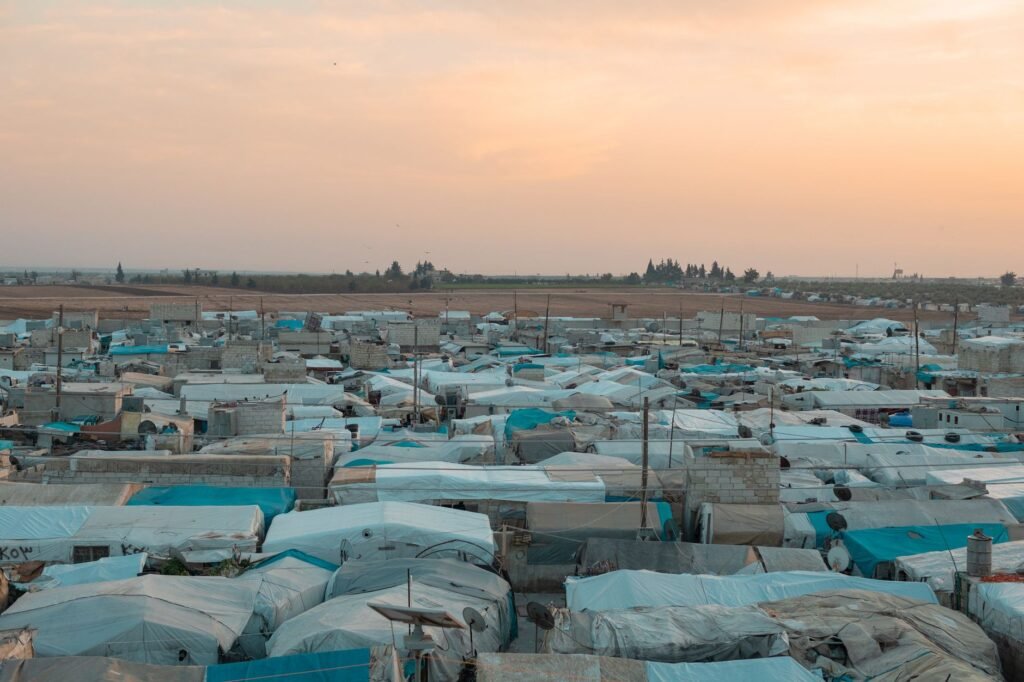
The current state of the Rohingya in Myanmar is defined by a deeply entrenched architecture of statelessness. Systematically stripped of citizenship, the Rohingya population has endured decades of institutionalised discrimination, culminating in waves of violence and mass expulsions that initiated a genocide case at the International Court of Justice (ICJ). Hundreds of thousands remain displaced within Myanmar, confined to camps and facing severe restrictions on movement, access to healthcare, education, and livelihoods. A significant diaspora, primarily in Bangladesh, lives in precarious conditions, with repatriation efforts largely stalled.
The underlying legal framework, specifically the 1982 Citizenship Law, remains unchanged, perpetuating their non-recognition. Myanmar’s internal political landscape, marked by a military junta's seizure of power and ongoing civil conflict, further complicates any prospect of resolution. The junta's prioritisation of national sovereignty and rejection of external interference, particularly regarding what it considers internal affairs, has consistently hampered international efforts to address the crisis. Regional actors, while acknowledging the humanitarian dimensions, have generally avoided direct intervention in Myanmar's internal policies, preferring a cautious, consensus-driven approach that has yielded limited practical outcomes for the Rohingya.
Scenario one: Protracted marginalisation (Most Likely)
Under this scenario, the fundamental conditions of statelessness and systematic discrimination against the Rohingya persist largely unchanged through 2030. The military junta, if it retains power, would likely continue to resist international pressure for citizenship reform or meaningful repatriation. Incremental improvements in humanitarian aid might occur within existing camps, but these would not address the root causes of their precarity. Repatriation from Bangladesh would remain minimal, characterised by voluntary returns of small numbers under conditions that do not guarantee safety, dignity, or citizenship rights, thus deterring larger-scale movements.
The ICJ's proceedings, while maintaining international scrutiny, might not translate into enforceable mechanisms that compel Myanmar to alter its domestic legal framework or treatment of the Rohingya. Regional initiatives, such as those from ASEAN, would probably continue to focus on humanitarian assistance and de-escalation rather than fundamental rights advocacy. This scenario suggests a future where the Rohingya remain a largely stateless, internally displaced, or refugee population, with their long-term prospects tied to a distant and uncertain political transformation within Myanmar, rather than immediate policy shifts.
Scenario two: Limited integration and regional accommodation
This scenario posits a subtle but significant shift by 2030, driven by a combination of sustained international pressure and perhaps a strategic calculation by a future Myanmar government, whether civilian or a more pragmatic military administration. While full citizenship might remain elusive, there could be a granting of more secure residency status or identity documents that afford greater freedom of movement, access to basic services, and certain economic rights within Myanmar. This would represent a partial, rather than complete, reversal of the architecture of statelessness, enabling a degree of integration for some Rohingya, particularly those remaining within Rakhine State.
Repatriation efforts under this scenario might see increased momentum, with stronger guarantees for returning refugees, possibly facilitated by international monitoring. Regional powers could play a more active role in brokering these arrangements, perhaps linking economic incentives to progress on human rights. This would not be a comprehensive solution, but it would represent a de-escalation of the most acute aspects of the crisis, moving from absolute statelessness towards a more ambiguous, but less perilous, legal status for a segment of the Rohingya population. The challenge would be to ensure these accommodations are not merely cosmetic but genuinely improve daily life and long-term prospects.
Scenario three: Further fragmentation and regional instability
In this more pessimistic scenario, the situation for the Rohingya deteriorates further by 2030, potentially leading to increased regional instability. Should Myanmar's internal conflicts intensify and central authority weaken significantly, Rakhine State could become even more volatile. This might lead to further displacement, both internally and across borders, as the Rohingya seek refuge from renewed violence or a complete breakdown of order. The existing refugee camps in Bangladesh, already under strain, could face overwhelming pressure from new arrivals, exacerbating humanitarian crises in the host country.
A complete or near-complete failure of governance in parts of Myanmar could also lead to the emergence of fragmented, unregulated zones, where the Rohingya might face heightened exploitation, trafficking, or even be drawn into localised conflicts for survival. International efforts to provide aid and protection would become significantly more challenging, if not impossible, in such an environment. This scenario would imply a failure of both internal and external mechanisms to contain the crisis, resulting in a more desperate and dispersed Rohingya population, posing significant security and humanitarian challenges across the wider Bay of Bengal region.
Wildcards that would break every scenario
Several unforeseeable events could drastically alter these trajectories. A sudden, decisive shift in Myanmar's internal power dynamics, such as a successful, unified democratic movement that prioritises national reconciliation and rights for all ethnic groups, could fundamentally change the state's approach to the Rohingya. Conversely, a dramatic escalation of regional geopolitical tensions, perhaps involving major powers, could either divert attention entirely from the Rohingya crisis or, alternatively, create new leverage points that force a resolution.
A significant, internationally brokered agreement that offers a pathway to citizenship for the Rohingya, backed by robust enforcement mechanisms and economic incentives for Myanmar, could also break existing patterns. However, the political will for such a comprehensive and intrusive intervention has historically been absent. Finally, an environmental catastrophe, such as a major cyclone or rising sea levels in the Bay of Bengal, could trigger a mass movement of people, including the Rohingya, overwhelming existing coping mechanisms and forcing an entirely new regional response.
Strategic implications
The strategic implications of these scenarios extend beyond the immediate humanitarian concerns. For regional stability, the continued statelessness and displacement of the Rohingya represent a persistent source of potential friction and humanitarian burden, particularly for Bangladesh. A failure to address the root causes risks the radicalisation of marginalised populations, creating new security challenges.
For international law and human rights, Myanmar's continued defiance of international norms regarding citizenship and treatment of minorities poses a challenge to the efficacy of global institutions. The ICJ's proceedings, while critical, underscore the limitations of legal mechanisms without robust political will for enforcement. For humanitarian actors, the scenarios highlight the need for adaptable strategies, ranging from long-term support for displaced populations to readiness for emergency responses in deteriorating conditions.
Ultimately, the trajectory of the Rohingya crisis to 2030 will serve as a bellwether for the international community's capacity to address deeply entrenched issues of statelessness and mass human rights violations in the face of sovereign intransigence. The question remains whether the global architecture can move beyond condemnation to compel meaningful change, or if the Rohingya's plight will continue to be defined by a state's deliberate exclusion.
Scenario matrix
| Scenario | Probability | Confirming trigger |
|---|---|---|
| Protracted marginalisation | 60% | No substantive changes to Myanmar's 1982 Citizenship Law by 2025; repatriation figures remain below 5,000 per year. |
| Limited integration and regional accommodation | 25% | Myanmar issues new, more secure identity documents (non-citizenship) to a significant portion of Rohingya (e.g., >50,000) by 2027, granting expanded movement and service access. |
| Further fragmentation and regional instability | 15% | A new wave of Rohingya displacement (e.g., >100,000) occurs due to intensified conflict in Rakhine State or a complete collapse of central authority by 2026. |
Probabilities are estimates, not certainties. They are published so the forecast can be scored later.
Source material: Al Jazeera – Breaking News, World News and Video from Al Jazeera