Nepal-Tibet Flash Flood: Beyond the Immediate Catastrophe
Trending Global
A flash flood on the Nepal-Tibet border has claimed seventeen lives, with hundreds still missing, but the long-term ramifications extend beyond the immediate human toll.
What just happened
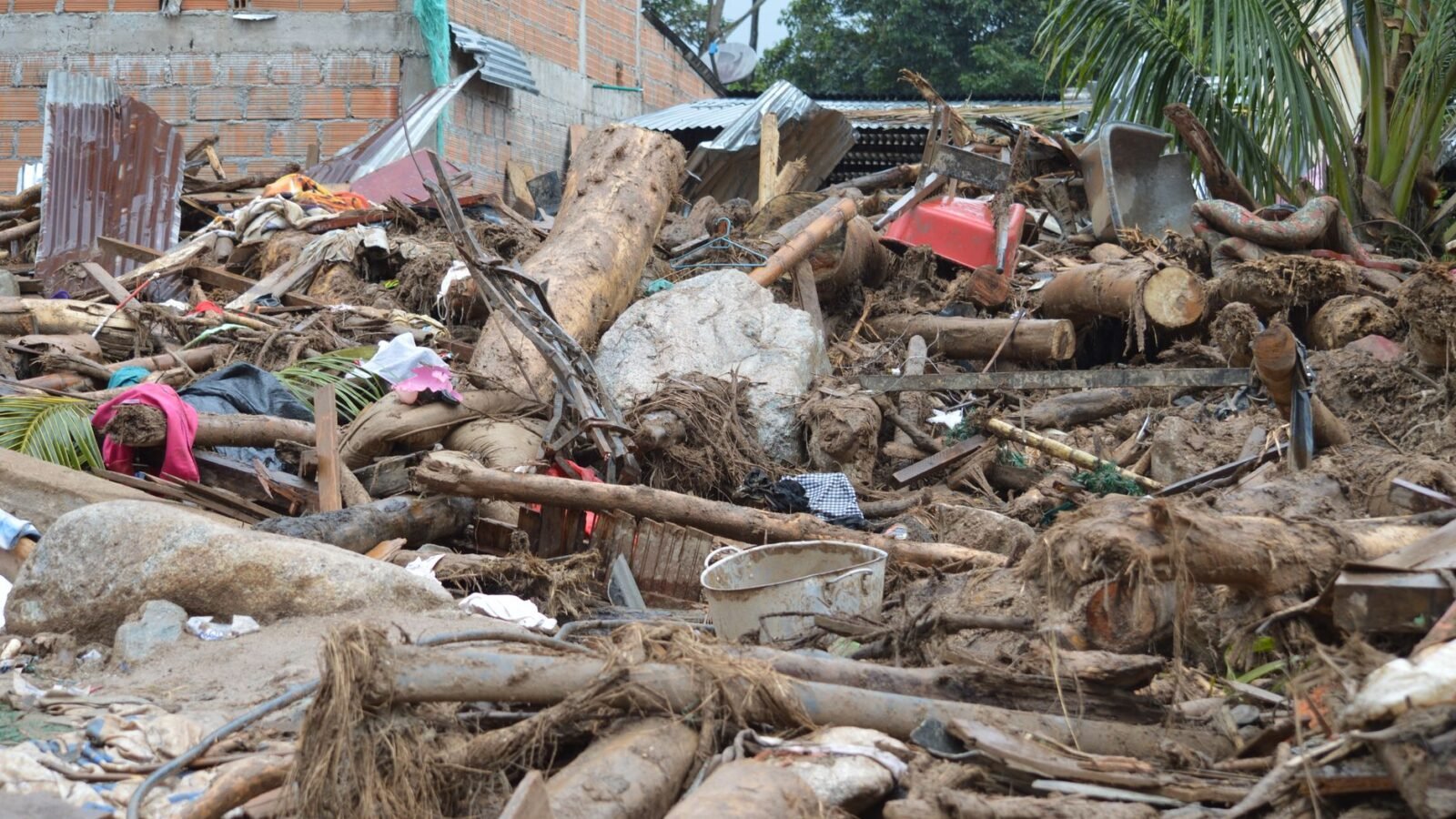
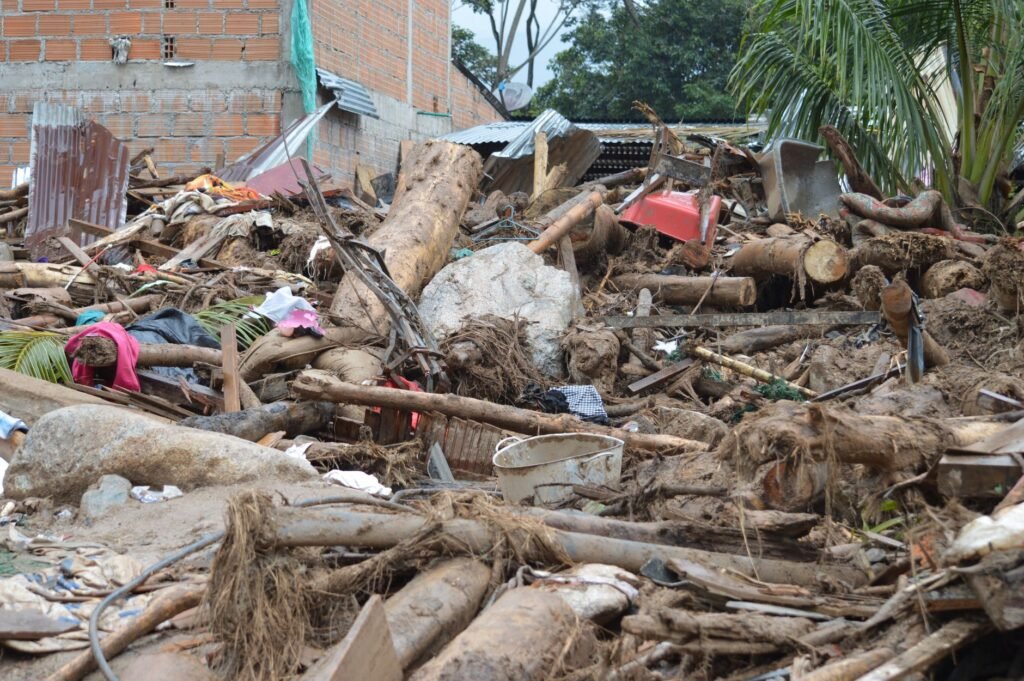
A flash flood struck the Rasuwa district of Nepal, bordering the Tibet Autonomous Region, resulting in seventeen confirmed fatalities and leaving hundreds of individuals unaccounted for. The event, occurring in an area north of Kathmandu, is feared to have inundated and swept away entire villages, underscoring the extreme vulnerability of settlements within the Himalayan river valleys. While immediate rescue and recovery operations are underway, the scale of the destruction suggests a protracted humanitarian crisis and significant disruption to the local economy and infrastructure.
The Rasuwa area is not merely a remote borderland; it serves as a critical artery for trade and connectivity between Nepal and China. This corridor has seen substantial investment in recent years, particularly in road construction and other infrastructure designed to facilitate cross-border commerce and tourism. The impact of the flood on these strategic assets, though not yet fully assessed, is likely to be considerable, potentially impeding vital supply lines and development projects for an indeterminate period.
Why it is contested
The immediate cause of the flash flood is attributed to intense rainfall, a common trigger in the monsoon-prone Himalayas. However, the deeper causality and the extent to which human activity may have exacerbated the natural event are subject to considerable debate. One prevailing interpretation frames this as a clear consequence of accelerating climate change, pointing to an observed increase in the frequency and intensity of extreme weather events across the region. Under this view, the flood is a symptom of a larger, systemic environmental shift, rendering traditional risk assessments inadequate.
An alternative, and more contentious, reading focuses on the vulnerabilities introduced by rapid, large-scale infrastructure development in a geologically unstable and ecologically sensitive environment. Critics argue that extensive road-building, tunnelling, and dam construction, often undertaken with insufficient environmental impact assessments or mitigation measures, can destabilise slopes, alter natural drainage patterns, and increase susceptibility to landslides and flash floods. The contestation thus pivots on whether this disaster is primarily an 'act of God' magnified by global warming, or a predictable outcome of development choices made in a high-risk zone.
The competing narratives
One dominant narrative posits that the Rasuwa flood is unequivocal evidence of the escalating climate crisis impacting the Himalayan region. Proponents of this view highlight scientific consensus on glacier melt, altered precipitation patterns, and rising temperatures as direct contributors to more frequent and severe hydrological events. The strongest objection to this singular focus is that it risks obscuring local and regional factors. While global climate change provides the overarching context, it does not fully explain why specific areas are disproportionately affected, nor does it account for the variable resilience of different communities and infrastructure.
Conversely, another narrative attributes significant blame to the pace and methodology of infrastructure development. This perspective suggests that the sheer volume of construction activity, particularly along riverbanks and steep slopes, has created conditions ripe for disaster. Unregulated quarrying, deforestation, and the dumping of construction debris into rivers are cited as practices that reduce natural flood absorption capacity and increase sediment load, intensifying flood impact. The most significant objection to this argument is that it can appear to dismiss the genuine developmental needs of the region. Halting or significantly slowing infrastructure projects would entail substantial economic costs and social impacts for populations seeking improved connectivity and livelihoods, presenting a difficult trade-off between progress and environmental preservation.
What to watch next
The immediate focus will remain on search, rescue, and humanitarian aid. Beyond this, attention will shift to the detailed damage assessment of critical infrastructure, particularly the roads connecting Nepal to China. The speed and method of rebuilding these links will be a key indicator of regional priorities and cooperation. Furthermore, the political discourse surrounding the cause of the disaster will be critical. Will it galvanise a reassessment of environmental safeguards for future projects, or will the emphasis remain on rapid restoration and development?
The nature of international assistance, particularly from China and India, and the conditions attached to such aid, will also provide insight into the evolving geopolitical dynamics of the Himalayan region. Any shifts in project financing or engineering standards could signal a recalibration of risk perception among major investors and development partners. The ultimate question is whether this tragedy will force a genuine reconsideration of sustainable development models in high-altitude environments, or if the imperative for economic growth will continue to overshadow long-term ecological resilience.
The bottom line
The flash flood in Rasuwa is a stark reminder of the inherent vulnerabilities of the Himalayan landscape. While the immediate human cost is devastating, the event also lays bare a deeper tension between the undeniable impacts of climate change and the accelerating ambition for economic development through infrastructure. The challenge for Nepal and its neighbours will be to navigate this complex interplay, not merely to rebuild what was lost, but to re-evaluate how future progress can be pursued without precipitating further environmental catastrophe. Can the region learn to build with, rather than against, the formidable forces of its natural environment, or will such disasters become an increasingly frequent cost of connectivity?
Source material: BBC News