Putin’s Kuril Islands Visit: A Calculated Challenge to Japan’s Sovereignty
Trending Global
The Russian President's unprecedented visit to the disputed Kuril Islands signals a hardening stance, challenging decades of Japanese diplomatic efforts.
What just happened
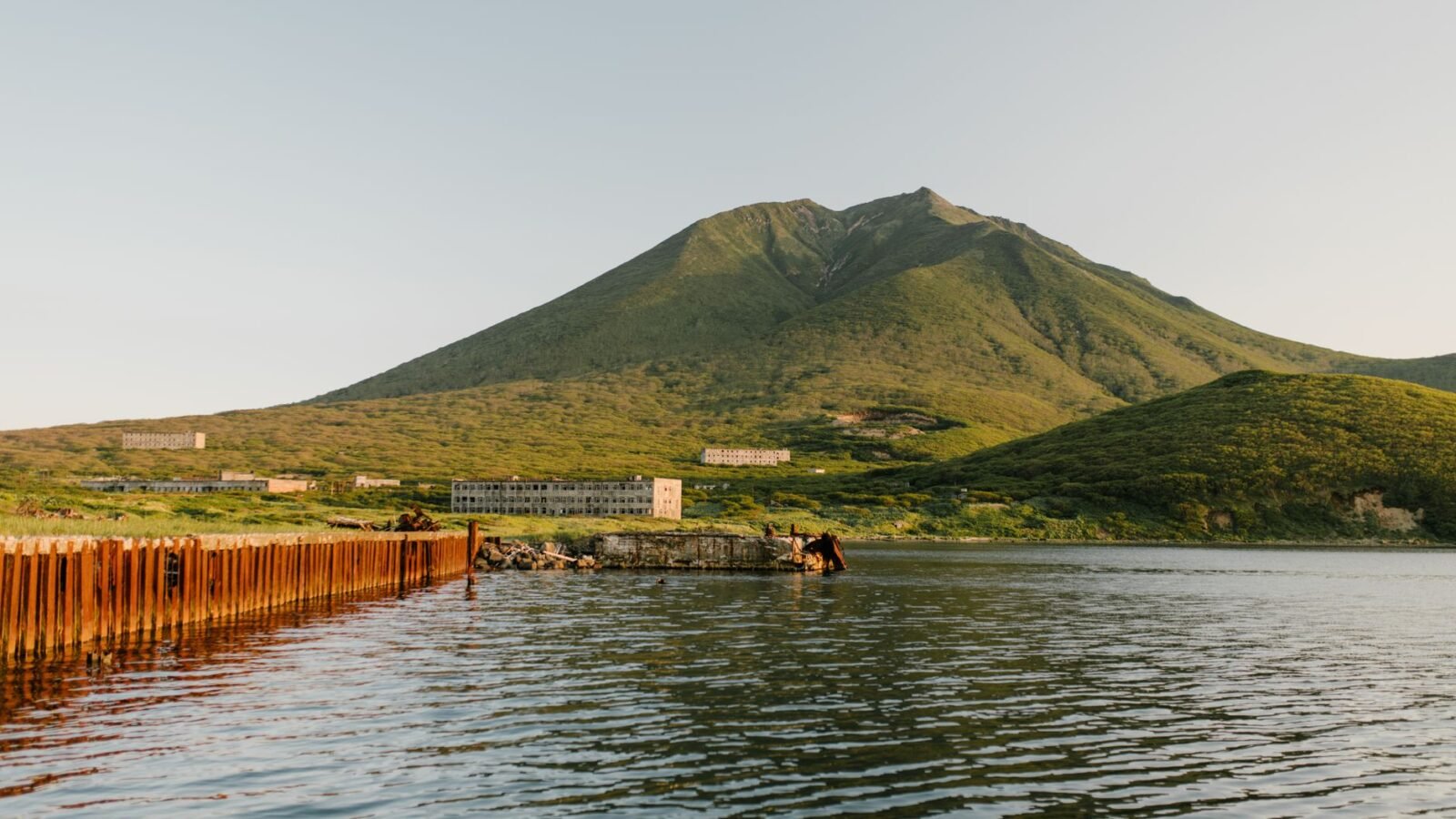
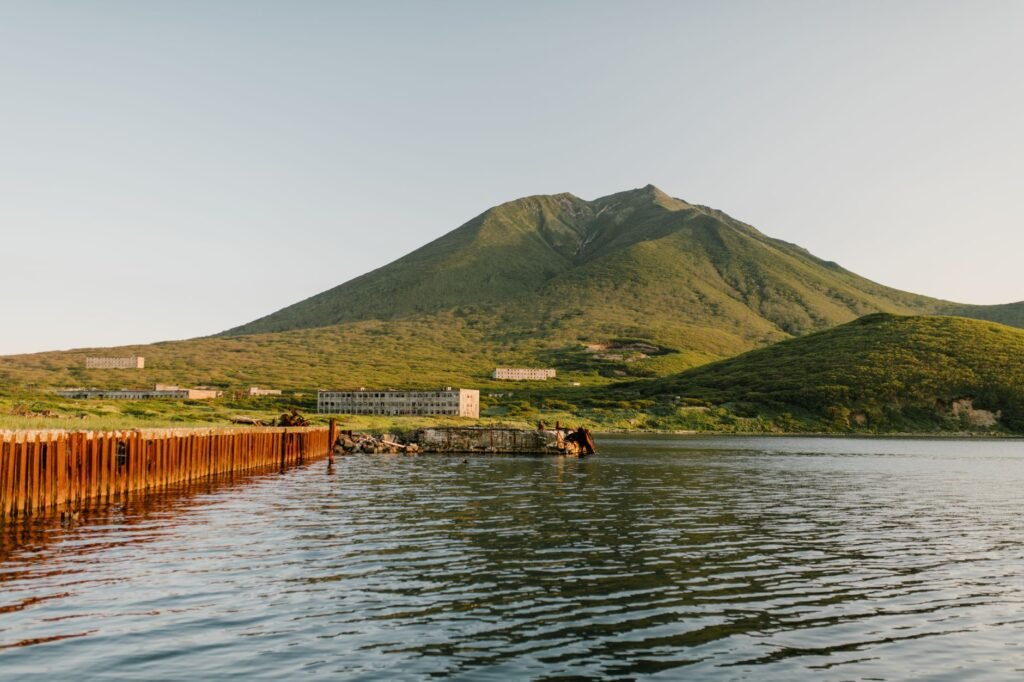
Russian President Vladimir Putin recently made an unprecedented visit to the Kuril Islands, a territory disputed between Russia and Japan since the end of the Second World War. This marks the first time a Russian leader has set foot on the islands, which Russia administers as the Kuril Islands and Japan claims as its Northern Territories. The Japanese government swiftly denounced the visit as 'absolutely unacceptable,' underscoring the deep diplomatic fissure the event has reopened.
Why it is contested
The significance of Putin's visit extends beyond mere symbolic posturing. For decades, the dispute over the four southern Kuril Islands (Etorofu, Kunashiri, Shikotan, and the Habomai islet group) has prevented Japan and Russia from signing a formal peace treaty, a relic of the Second World War. Previous diplomatic engagements, including those under former Japanese Prime Minister Shinzo Abe, had sought to find a resolution, often involving economic cooperation as a precursor to a territorial agreement. Putin's presence on the islands, however, fundamentally alters the diplomatic landscape by asserting Russian sovereignty in a highly visible and direct manner. It suggests a deliberate move away from the ambiguity that often characterises such disputes, signalling a potential end to the incremental, dialogue-based approach that has defined negotiations thus far. The visit can be read as a declaration that Russia views its control as settled, rather than negotiable.
The competing narratives
Two primary interpretations contend for explanatory power regarding Putin's motivation. One reading suggests the visit is primarily a domestic play, aimed at shoring up nationalist sentiment and demonstrating resolve to a domestic audience. In this view, the move is less about a grand strategic shift and more about internal political signalling, particularly given Russia's broader geopolitical challenges. The strongest objection to this interpretation is its failure to account for the international ramifications; such a high-profile action carries significant diplomatic cost and risk, which would be disproportionate if the primary audience were exclusively domestic. International relations are rarely conducted in a vacuum, and the message sent to Japan and its allies is undeniable.
A second, more potent narrative posits that the visit is a calculated geopolitical manoeuvre, designed to project Russian power and test regional resolve. By asserting control over a strategically vital archipelago that sits between the Sea of Okhotsk and the Pacific Ocean, Russia reinforces its military presence in the Far East and complicates the security calculus for both Japan and the United States. This interpretation sees the move as part of a broader pattern of Russian assertiveness on its periphery, intended to solidify its territorial claims and challenge the existing regional order. The most substantial objection to this interpretation is that it may overstate Russia's capacity or desire for direct confrontation, particularly with a G7 nation and a key US ally. Some might argue that a full-scale escalation over these islands is not in Russia's immediate interest, suggesting the move is more about leverage than outright conflict.
What to watch next
The immediate aftermath of Putin's visit will likely see Japan intensify its diplomatic protests and potentially seek stronger affirmations of support from its allies, particularly the United States. Attention will shift to whether Russia follows up this symbolic assertion with increased militarisation of the islands, such as further deployments of advanced weaponry or military exercises. Any such moves would signal a more permanent hardening of Russia's position. Conversely, observing any subtle shifts in Russia's rhetoric or a willingness to re-engage in dialogue, however limited, could indicate whether the door to future negotiations, however remote, remains ajar. The long-term trajectory will depend on how Japan chooses to balance its territorial claims with its broader strategic interests, including energy security and regional stability.
The bottom line
Putin's visit to the Kuril Islands marks a definitive moment in the long-running territorial dispute, signalling a potential end to the diplomatic ambiguity that has characterised previous attempts at resolution. Whether this action is primarily a domestic political gambit or a strategic assertion of power, it undeniably elevates tensions and forces both Japan and its allies to reassess their approach to Russia in the Asia-Pacific. The core question remains: has Moscow definitively closed the door on a peace treaty, or is this merely a tactical escalation designed to reshape the terms of future engagement?
Source material: BBC News