The Hidden Mechanism Behind San Francisco’s AI Gold Rush Fuels Housing ‘Hysteria’—and What Changes Next
A tidal wave of AI wealth is inundating San Francisco, sparking 'hysteria' in the housing market and igniting fierce debate over prosperity versus displacement, according to The New York Times.
Community prediction: What happens next?
A signal to monitor, not a certainty forecast.
Why this matters now
The signal: San Francisco's AI Gold Rush Fuels Housing 'Hysteria' may reorder priorities faster than the headline suggests.
Who wins, who loses
Advantage goes to actors with decision speed and execution capacity. The exposed are those treating this as an isolated headline rather than a shift in leverage.
“A tidal wave of A.I. wealth pours into the city, driving demand and prices at a dizzying pace.”
What is the biggest threat to San Francisco's long-term stability due to the AI boom?
🔥 Readers are voting live
What happens next
Watch next: the next decision, capital flow, and execution capacity over the next six months.
Evidence & context
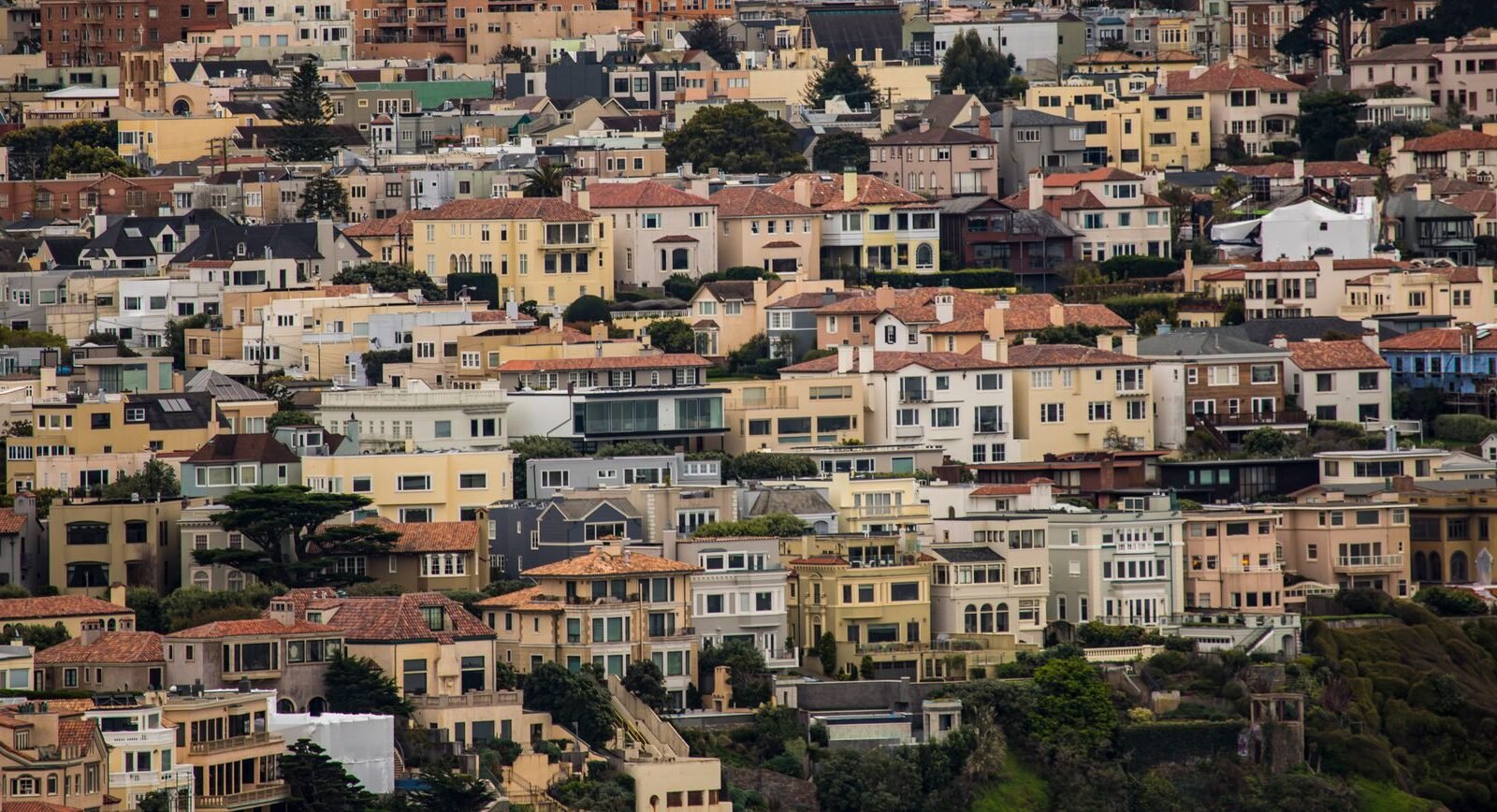
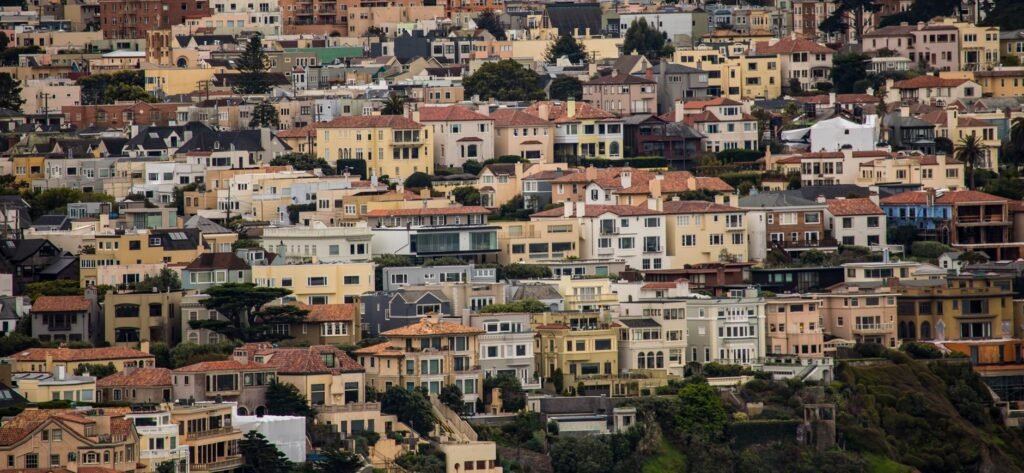
San Francisco's housing market is gripped by 'hysteria,' as a tidal wave of Artificial Intelligence wealth pours into the city, driving demand and prices at a dizzying pace, The New York Times reports.
This new AI boom marks a significant shift, creating a fresh class of highly paid tech workers and investors. The sudden wealth infusion is rapidly transforming the economic landscape, according to the report.
Home prices are soaring, fueled by intense bidding wars and fierce competition for limited inventory. The New York Times article describes a market where urgency and fear of missing out dictate transactions.
Why this is trending
This housing surge connects directly to the accelerating commercialization of AI, which is attracting unprecedented venture capital and creating instant wealth. This phenomenon links to broader global trends concerning 'superstar cities' and the 'winner-take-all' economics of digital innovation, where a few geographical hubs capture an outsized share of economic growth, putting immense pressure on local resources and housing markets.
This rapid economic acceleration raises critical questions about who benefits from the AI gold rush and who is left behind. Critics argue the boom could price out middle-class residents and long-time communities.
The concentration of AI wealth is amplifying the gap between the affluent and those struggling with rising costs, fueling a central debate about economic equity within San Francisco, observations in the piece show.
Residents and policymakers grapple with the social implications of this transformation. The challenge lies in balancing economic growth with the preservation of the city's diverse social fabric.
As AI continues to reshape industries globally, San Francisco stands as a crucial test case for managing rapid technological wealth and its urban impact. The ongoing housing drama will likely define the city's future.
What do you think San Francisco should prioritize: unrestricted AI-driven growth or stricter housing policies to ensure affordability for all residents? Share your thoughts below.
Sources: The New York Times
🗞 National Times Newsroom — AI-assisted editorial desk · Reported by Adam Cole · Analysis by Dr. Idris Okafor · Edited by Marcus Webb · Sources verified