The Hidden Mechanism Behind The Chokepoint Economy: Three Straits Are Repricing Everything—and What Changes Next
A fifth of global trade squeezes through waterways narrower than a city commute — and in 2026 that geometry has become the single most underpriced variable in the world economy. NT…
Community prediction: What happens next?
A signal to monitor, not a certainty forecast.
Why this matters now
The signal: The Chokepoint Economy: Three Straits Are Repricing Everything may reorder priorities faster than the headline suggests.
Who wins, who loses
Advantage goes to actors with decision speed and execution capacity. The exposed are those treating this as an isolated headline rather than a shift in leverage.
What happens next
Watch next: the next decision, capital flow, and execution capacity over the next six months.
Evidence & context
A fifth of global trade squeezes through waterways narrower than a city commute — and in 2026 that geometry has become the single most underpriced variable in the world economy. NT's Supply-Chain Disruption Index stands at 71/100 for the coming quarter.
Geography is charging rent again
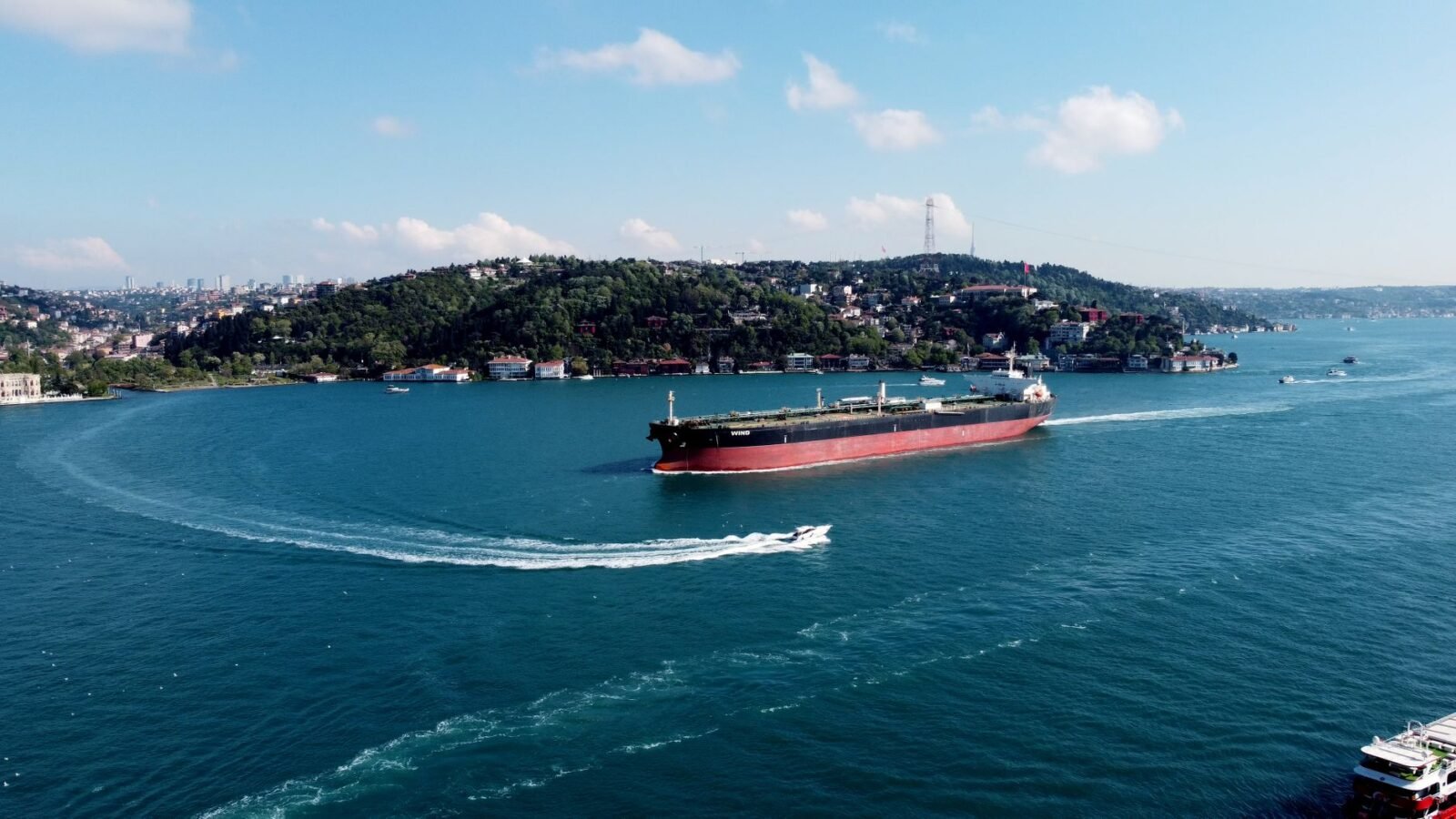
Containerization was supposed to make distance irrelevant. Instead it concentrated the world's cargo into a handful of maritime funnels: Hormuz for energy, the Red Sea-Suez corridor for Asia-Europe goods, Panama for the Americas. Each has spent the past two years reminding markets that a strait is a promise someone can revoke.
The quiet re-routing of the world
The response is already visible in shipping data and boardroom budgets: longer routes accepted as permanent, inventory buffers rebuilt after a decade of just-in-time orthodoxy, and a wave of infrastructure designed explicitly to bypass water. Gulf economies sit on both sides of this trade: exposed at Hormuz, yet positioned to sell the world its detours.
Why this is trending
Every disruption headline — a tanker incident, a canal restriction, a missile scare — now moves consumer-price expectations within hours, and search interest in shipping routes and freight rates spikes with each one. The supply chain has become a spectator sport with your grocery bill as the scoreboard.
The bottom line
The globalization playbook assumed water was free highway. The 2026 playbook prices every strait like a toll bridge run by unpredictable landlords. Which purchase in your cart carries the biggest hidden chokepoint tax? Tell us below.
🗞 National Times Newsroom — AI-assisted editorial desk · Reported by The Editor's Desk