Thailand’s School Safety Evolution: Beyond Drills to Systemic Change by 2030
Strategic Foresight
The proliferation of active shooter drills in Thai schools signals a nascent, long-term shift in societal risk perception and public safety protocols.
The starting conditions
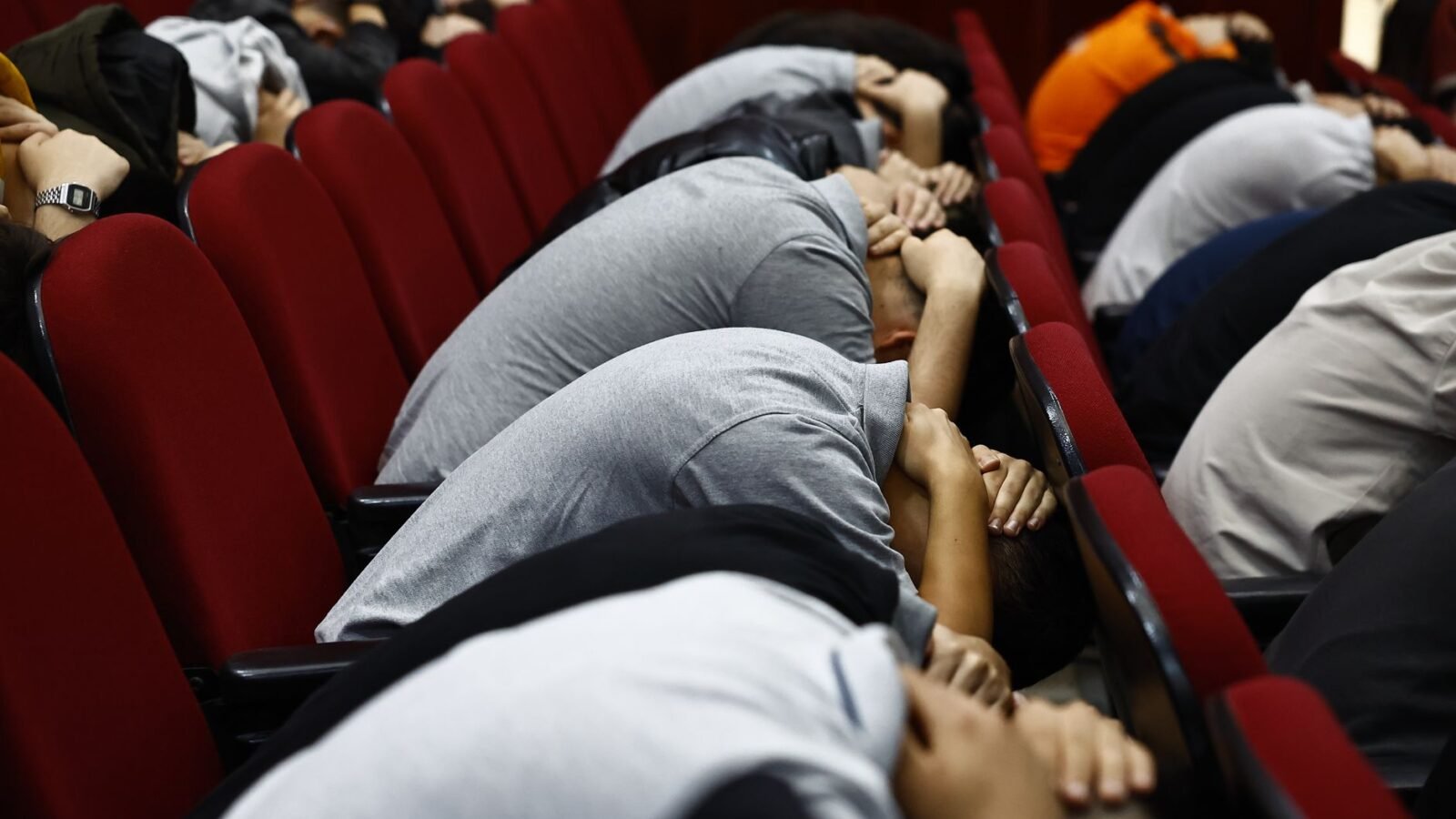
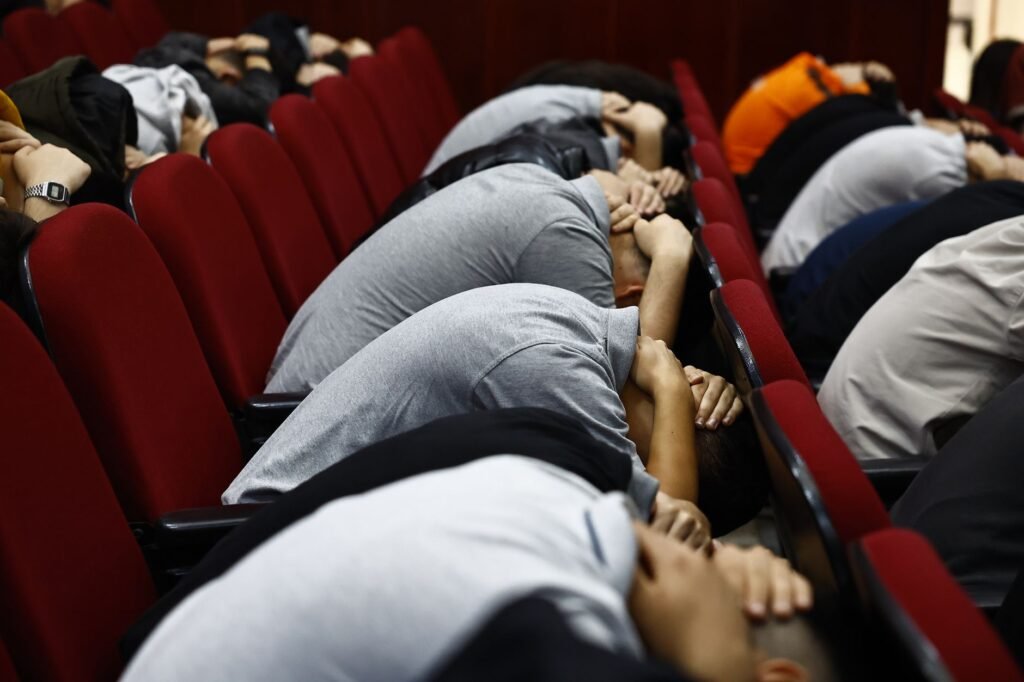
The current wave of active shooter drills across Thai schools represents a direct, tactical response to recent, high-profile violence. This immediate measure aims to enhance preparedness and disseminate survival protocols among students and educators. While these drills are primarily reactive, their widespread implementation signifies a broader acknowledgement of emerging domestic security challenges, moving beyond traditional concerns such as natural disasters or street crime. This initial phase is characterised by localised initiatives and a nascent public discourse on internal threats.
Crucially, the institutional capacity for a comprehensive, national-level response remains in development. Existing public safety frameworks, while robust in certain domains, may not yet be fully adapted to address the complexities of active violence incidents within civilian, particularly educational, settings. The current emphasis on drills, while necessary, also highlights a potential gap in upstream preventative measures and integrated mental health support systems. The trajectory from tactical preparedness to systemic resilience will depend on sustained political will, resource allocation, and a societal consensus on the acceptable balance between security and individual freedoms.
Scenario one: Incremental institutionalisation
Under this scenario, the initial implementation of active shooter drills would gradually evolve into a more formalised, nationally recognised standard for school safety. By 2030, this could entail mandatory, regular training sessions integrated into the academic calendar, potentially overseen by a dedicated national agency or a division within the Ministry of Education. The curriculum might expand to include basic first aid, psychological resilience training, and enhanced threat assessment protocols for school administrators. This approach would likely be characterised by a bottom-up integration of best practices, drawing on both domestic experience and international models.
Resource allocation would incrementally increase, focusing on infrastructure improvements such as improved access control, surveillance systems, and secure room design. The emphasis would remain on preparedness and rapid response, with a gradual shift towards data-driven risk assessment to identify vulnerable institutions or communities. This scenario suggests a pragmatic, measured progression, avoiding radical shifts in policy or significant overhauls of the existing educational or security apparatus. Public acceptance would likely be high, as the measures would be perceived as proportionate responses to ongoing concerns, without impinging unduly on daily life or civil liberties.
Scenario two: Comprehensive societal securitisation
This scenario posits a more profound transformation, where the initial drills serve as a catalyst for a broader societal securitisation agenda by 2030. The state's response would extend beyond schools to encompass public spaces, transportation hubs, and other soft targets. This could manifest as the establishment of a dedicated national security authority focused on domestic threats, integrating intelligence gathering, law enforcement, and public health agencies. The emphasis would shift from reactive drills to proactive threat detection and prevention, potentially involving expanded surveillance capabilities, public awareness campaigns on identifying suspicious behaviour, and stringent regulations on access to certain materials or locations.
Within schools, this might translate into a highly controlled environment, potentially featuring armed security personnel, biometric access systems, and comprehensive student monitoring programmes. The curriculum could incorporate elements of civic defence and national resilience, fostering a heightened sense of collective responsibility for security. This path would likely entail significant legislative changes, potentially impacting privacy rights and civil liberties, and would require substantial financial investment. Public discourse would increasingly revolve around the trade-off between absolute safety and individual freedoms, possibly leading to societal divisions over the extent of state intervention.
Scenario three: Decentralised community resilience
In contrast to the previous scenarios, this path envisions a future where the initial impetus from school drills fosters a decentralised, community-led approach to safety and resilience by 2030. Rather than a top-down mandate, the emphasis would be on empowering local communities, schools, and families to develop tailored safety plans based on their unique contexts and resources. The central government's role would be primarily facilitative, providing guidelines, training resources, and funding mechanisms, but largely deferring implementation specifics to local stakeholders.
This could lead to a diverse range of responses, from highly organised neighbourhood watch programmes to schools integrating social-emotional learning and conflict resolution into their core curriculum. The focus would be less on physical security infrastructure and more on fostering social cohesion, mental well-being, and early intervention for individuals at risk. This scenario might see the emergence of non-governmental organisations playing a significant role in delivering training and support services. While potentially more adaptable and responsive to local needs, this approach could also lead to disparities in safety standards across different regions, depending on local capacity and engagement. The success of this scenario hinges on robust civic participation and the ability of communities to self-organise effectively.
Wildcards that would break every scenario
Several unpredictable factors could fundamentally alter the trajectory of school safety and broader societal responses in Thailand. A significant escalation of regional geopolitical tensions, particularly in the South China Sea or along immediate borders, could divert national resources and political attention away from domestic safety initiatives, effectively deprioritising internal security reforms. Conversely, a major, unprecedented domestic incident involving mass casualties, particularly if it targets a highly visible public institution or involves novel methodologies, could trigger an immediate, radical shift towards a highly securitised state apparatus, overriding any incremental or decentralised plans.
A protracted period of severe economic downturn or political instability, such as a prolonged succession crisis or a widespread public health emergency, could also deplete the fiscal and political capital necessary for sustained investment in any of the outlined scenarios. Furthermore, a fundamental shift in public trust towards state institutions, either due to perceived overreach or demonstrated incompetence in managing crises, could undermine the legitimacy of any top-down safety mandates, potentially fostering resistance or disengagement from proposed reforms. Finally, the rapid adoption of transformative technologies, such as ubiquitous AI-driven surveillance or advanced personal defence systems, could introduce entirely new parameters for both threat and response, rendering current strategic frameworks obsolete.
Strategic implications
The evolution of Thailand’s approach to school safety carries significant strategic implications, extending beyond the immediate educational sector. For international partners and investors, the chosen path will signal the government's capacity for long-term strategic planning and its commitment to social stability. A move towards comprehensive securitisation, for instance, could indicate a broader trend towards increased state control and a potentially more restrictive operating environment for businesses and civil society organisations. Conversely, a focus on decentralised community resilience might suggest a more open, participatory governance model, albeit one with potentially greater regional variability in standards.
The nature of these reforms will also inform assessments of Thailand's internal political stability and the robustness of its rule of law. The balance struck between security imperatives and civil liberties will be a critical indicator for human rights observers and democratic governance advocates. Furthermore, the effectiveness of these measures in preventing future incidents will shape public confidence in state institutions and influence the broader social contract. The ongoing implementation of drills is not merely an operational adjustment; it is an early indicator of a national re-evaluation of risk, responsibility, and the role of the state in safeguarding its citizenry, the ultimate trajectory of which remains to be defined by political choice and societal consensus.
Scenario matrix
| Scenario | Probability | Confirming trigger |
|---|---|---|
| Incremental institutionalisation: Standardised drills and infrastructure upgrades become national policy. | 45% | A national safety council or similar body is established with a clear mandate and budget for school security by 2026. |
| Comprehensive societal securitisation: Broad state expansion of surveillance and security measures across public life. | 30% | New legislation is enacted by 2027 establishing a dedicated national domestic security agency with expanded powers, accompanied by a significant increase in security spending. |
| Decentralised community resilience: Local communities lead safety initiatives with central government support. | 25% | A national fund for local community safety grants is established by 2025, with clear evidence of diverse, locally-driven security programmes emerging across multiple provinces. |
Probabilities are estimates, not certainties. They are published so the forecast can be scored later.
Source material: Al Jazeera – Breaking News, World News and Video from Al Jazeera