Trump’s NATO flight diversion: assessing the threat implications
Trending Global
The former US President's disclosed plane switch after a NATO summit raises questions about the nature of the threat and the transparency of security protocols.
What just happened
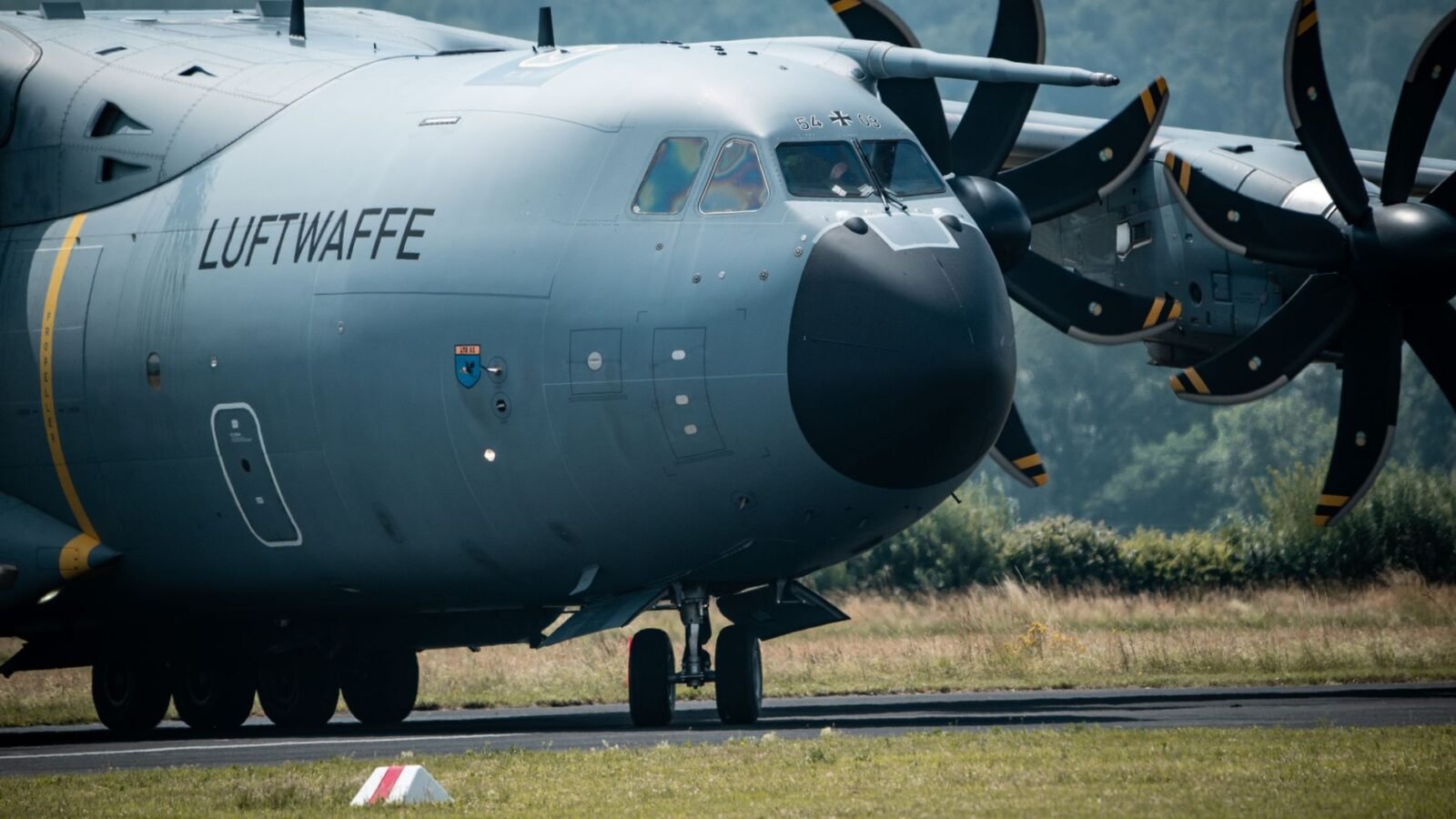
Former US President Donald Trump recently asserted that the Secret Service directed him to board a different aircraft following a NATO summit in Turkey. This decision, he claimed, stemmed from a credible security threat that necessitated an immediate alteration to his travel plans. The statement, made public retrospectively, offers no specific details regarding the nature of the threat, its source, or the exact timing of the summit in question, beyond its location in Turkey.
Why it is contested
The former President's disclosure immediately generated contestation, primarily due to the absence of corroborating details from official channels. Presidential security operations are, by design, highly opaque, with threats rarely publicised unless absolutely necessary for public safety or to acknowledge a successfully neutralised incident. The Secret Service maintains a strict policy against commenting on protective operations. This customary silence, combined with the former President's history of making unverified claims, leaves the public and analysts to weigh competing interpretations: was this a legitimate, albeit undisclosed, security imperative, or a post-hoc narrative serving other ends? The inherent difficulty in verifying such a claim without official disclosure means the event itself remains in a state of interpretive flux.
The competing narratives
One prevailing narrative posits that the Secret Service genuinely identified a specific and actionable threat, necessitating the plane switch as a standard, albeit rare, protective measure. In this reading, the agency's silence is not an indicator of fabrication but rather adherence to protocol, designed to avoid emboldening adversaries or revealing operational vulnerabilities. The strongest objection to this interpretation lies in the timing of the disclosure: why reveal such a sensitive security detail years after the fact, and via the former principal rather than through official channels or a carefully managed leak? If the threat was significant enough to alter presidential travel, its historical context would typically be managed with greater discretion.
An alternative narrative suggests the incident, if it occurred, may have been a precautionary measure based on intelligence of varying reliability, perhaps elevated to an 'imminent threat' by the former President for rhetorical effect. This perspective contends that while security services must always err on the side of caution, the public framing of such an event can be influenced by political considerations. The strongest objection here is that it implicitly questions the Secret Service's professional judgment. To suggest the agency would implement such a significant change based on flimsy intelligence, or allow its protective actions to be misrepresented, would undermine its credibility and operational independence. It implies a level of malleability in security protocols that career agents would strenuously resist.
What to watch next
The immediate focus will be on whether any official or former official from the Secret Service or the intelligence community offers even an anonymised, background clarification that might lend credence to either narrative. Any leak, however minor, regarding the nature of the threat or the specifics of the protective operation would be highly significant. Beyond that, observers will be scrutinising any further statements from the former President that might elaborate on the incident, or conversely, any attempt to walk back the claim. The absence of further detail, however, may become the most telling factor, allowing the ambiguity to persist indefinitely.
The bottom line
The former President's assertion of a flight diversion due to a threat after a NATO summit in Turkey confronts the inherent tension between transparency and security. Without official corroboration, the incident remains suspended between a genuine, unpublicised security event and a politically charged narrative. The question for analysts is not merely what happened, but what it means for the public's understanding of high-level security protocols when such claims enter the political discourse without validation. What does it take for the public to trust such an assertion when the institutions designed to confirm or deny it are bound by silence?
Source material: BBC News