Trump’s Vaccination Order: A Strategic Play Beyond Public Health
Predictive Analysis
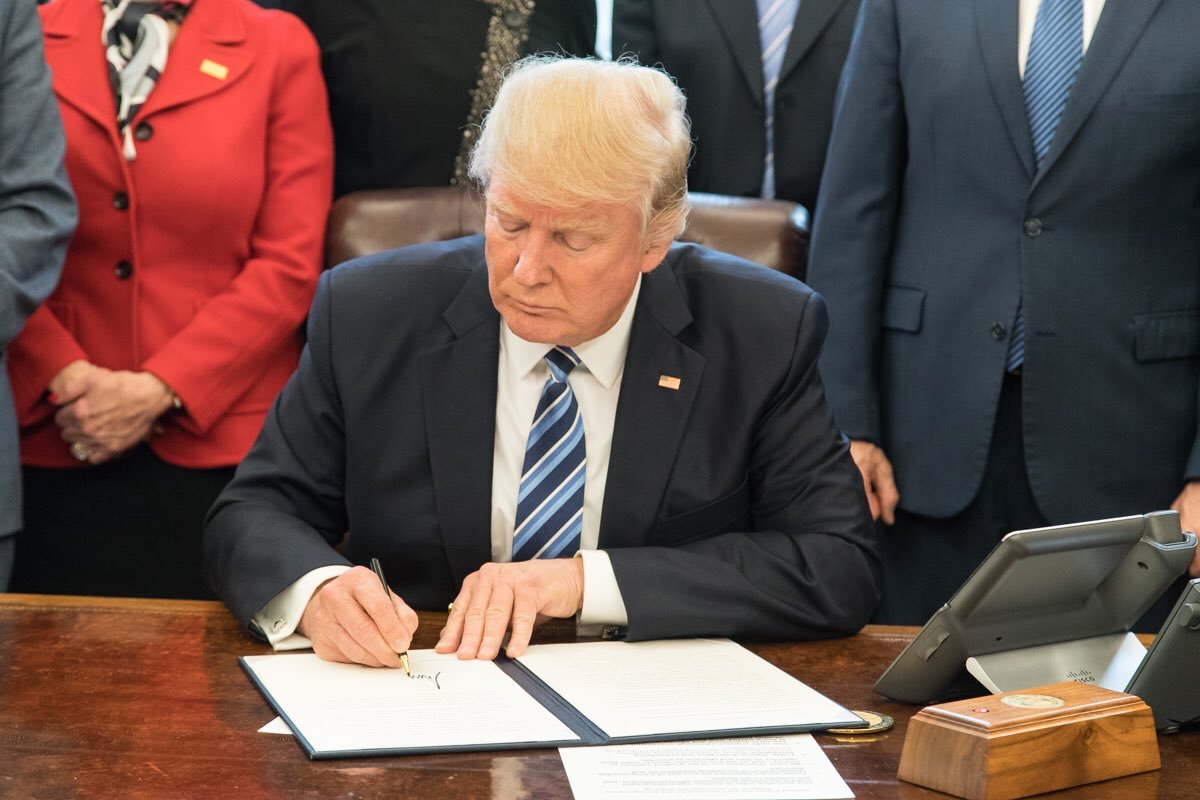
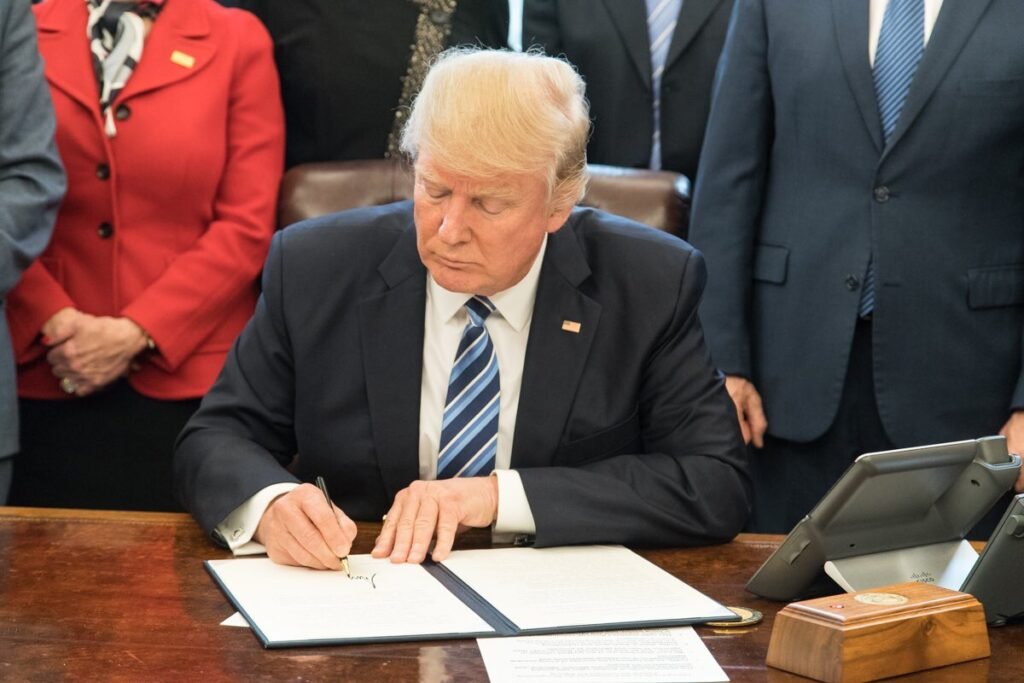
The executive order to reduce childhood vaccinations and separate the MMR jab represents more than a health policy shift; it is a calculated political manoeuvre.
The signal
President Trump's executive order, mandating fewer childhood vaccinations and the separation of the measles, mumps, and rubella (MMR) vaccine, is immediately legible as a political signal. While presented as a public health directive, its primary effect, and arguably its intent, is to address a specific segment of the electorate. This action aligns with a broader pattern of appealing to voters who express skepticism towards established medical consensus and governmental health mandates. The framing of the order, particularly the emphasis on 'fewer' vaccinations and 'splitting up' the MMR, taps into existing anxieties regarding vaccine schedules and perceived overreach by health authorities. It is a move calibrated to resonate with a base that values individual autonomy and distrusts large institutions, positioning the administration as a champion against perceived medical establishment dictates.
Crucially, the order does not simply reflect existing anti-vaccination sentiment; it actively seeks to legitimise and amplify it within the political discourse. By issuing an executive order, the administration elevates the issue from a fringe concern to a matter of presidential directive, forcing a national conversation on terms favourable to its political objectives. This strategy aims to solidify support among a key demographic while simultaneously challenging the mainstream scientific and public health consensus. The immediate public health implications, while significant, appear secondary to the political utility of the order as a marker of ideological alignment and a means to differentiate the administration from its political opponents.
The mechanism
The practical implementation of an executive order concerning childhood vaccination schedules faces considerable legal and jurisdictional complexities. In the United States, vaccine mandates for school entry are predominantly determined at the state level, not federally. This established division of powers means a presidential order cannot unilaterally override state laws or directly compel state health departments to alter their vaccine requirements. Consequently, the executive order is more likely to function as a directive to federal agencies, such as the Centers for Disease Control and Prevention (CDC) or the Department of Health and Human Services (HHS), instructing them to review existing guidelines, fund alternative research into vaccine scheduling, or promote specific messaging around vaccine choice.
The order could, for instance, direct federal funding away from programs that promote current vaccination schedules or towards studies that investigate the effects of altered schedules or single-dose vaccine alternatives. It might also influence federal recommendations for vaccines administered by federal health programmes or to federal employees. However, any attempt to directly mandate changes in state-level policy would almost certainly be met with legal challenges, citing the Tenth Amendment and established precedents regarding states' rights in public health matters. The administration would need to articulate a compelling federal interest that overrides state authority, a high bar for an issue traditionally managed locally. Therefore, the 'mechanism' of this order is likely to be indirect—influencing policy through funding, research directives, and public messaging, rather than direct legislative fiat.
Who gains and who is exposed
Politically, the primary beneficiary of this executive order is the Trump administration itself, specifically in its efforts to energise and consolidate a segment of its base. By taking a definitive stance on an issue that resonates with vaccine-hesitant or anti-mandate voters, the administration signals its responsiveness to their concerns, potentially bolstering turnout and loyalty. This move also creates a wedge issue, forcing political opponents to defend established public health policies, which can be framed by the administration as overreaching or dismissive of parental choice. It positions the administration as a challenger to the medical establishment, appealing to a broader anti-elite sentiment.
Conversely, public health institutions and the scientific community are exposed. They face the challenge of defending evidence-based public health practices against a presidential directive that, by its nature, lends legitimacy to alternative viewpoints. This could further erode public trust in health authorities and scientific consensus, complicating future public health initiatives. Children and the broader community are also exposed to increased public health risk if the order leads to a measurable decline in vaccination rates, potentially increasing the incidence of preventable diseases. Pharmaceutical companies, while not directly targeted, could face increased scrutiny and public pressure regarding vaccine development and distribution. The order also exposes federal agencies like the CDC and HHS to political pressure, potentially compromising their scientific independence and mission.
Leading indicators to track
To assess the impact and trajectory of this executive order, several leading indicators warrant close observation. Firstly, monitor the specific directives issued by federal agencies (CDC, HHS) in response to the order. Any changes to recommended childhood vaccination schedules, federal funding allocations for vaccine research, or public health communication strategies will be significant. A shift in funding towards studies on single-dose vaccines or alternative schedules, for instance, would indicate serious intent to implement the order's spirit.
Secondly, track the legislative and legal responses from individual states. Will state legislatures propose new laws to either affirm existing mandates or align with the federal directive? Will state attorneys general file lawsuits challenging the federal order's authority? The nature and speed of these reactions will reveal the extent of federal-state conflict. Thirdly, observe public opinion trends and vaccination uptake rates. A measurable increase in vaccine hesitancy or a decline in vaccination coverage, particularly for MMR, in areas influenced by the administration's messaging would indicate the order's effectiveness in shifting public behaviour. Finally, monitor the discourse among medical professional associations and advocacy groups. Their sustained opposition or any signs of internal division will be crucial in understanding the counter-pressures on the administration.
The twelve-month forecast
Over the next twelve months, the executive order is unlikely to precipitate immediate, sweeping changes to state-level vaccination mandates. The established legal and jurisdictional frameworks are robust, and state governments are likely to resist federal overreach on public health matters. Instead, the primary effect will be a significant politicisation of the vaccination debate, intensifying existing divisions and creating new battlegrounds. Federal agencies will likely issue internal directives and studies aligning with the order's spirit, but these will struggle to gain traction without legislative backing or direct state cooperation. The order will serve as a political rallying cry for the administration, enabling it to frame the debate on its terms and consolidate support among a specific demographic.
The most tangible impact will likely be seen in public discourse and, potentially, in a subtle erosion of vaccination rates in communities already prone to hesitancy. Legal challenges from states or public health advocacy groups are probable, setting the stage for protracted judicial battles that will ultimately clarify the limits of presidential authority in this domain. The long-term implications for public health infrastructure and the scientific community are more concerning, as the order could further politicise scientific advice and undermine trust in public health institutions. The question remains whether the political gains for the administration will outweigh the potential societal costs of a fractured public health consensus.
Scenario matrix
| Scenario | Probability | Confirming trigger |
|---|---|---|
| Limited Practical Impact, High Political Salience | 55% | No significant federal legislative action on vaccine mandates; state-level mandates remain largely unchanged despite federal directives or studies. |
| Heightened Federal-State Legal Conflict | 30% | Multiple states file lawsuits challenging federal authority on vaccine mandates, leading to protracted judicial proceedings and conflicting court rulings. |
| Measurable Decline in Vaccination Rates | 15% | Official public health data in key regions shows a statistically significant drop in childhood vaccination uptake, particularly for MMR, within 12 months. |
Probabilities are estimates, not certainties. They are published so the forecast can be scored later.
Source material: Al Jazeera – Breaking News, World News and Video from Al Jazeera