Colombia Earthquake: Beyond Rescue, A Test of State Capacity
Predictive Analysis
The immediate humanitarian crisis in western Colombia following a powerful earthquake masks a deeper challenge to national governance and regional stability.
The signal
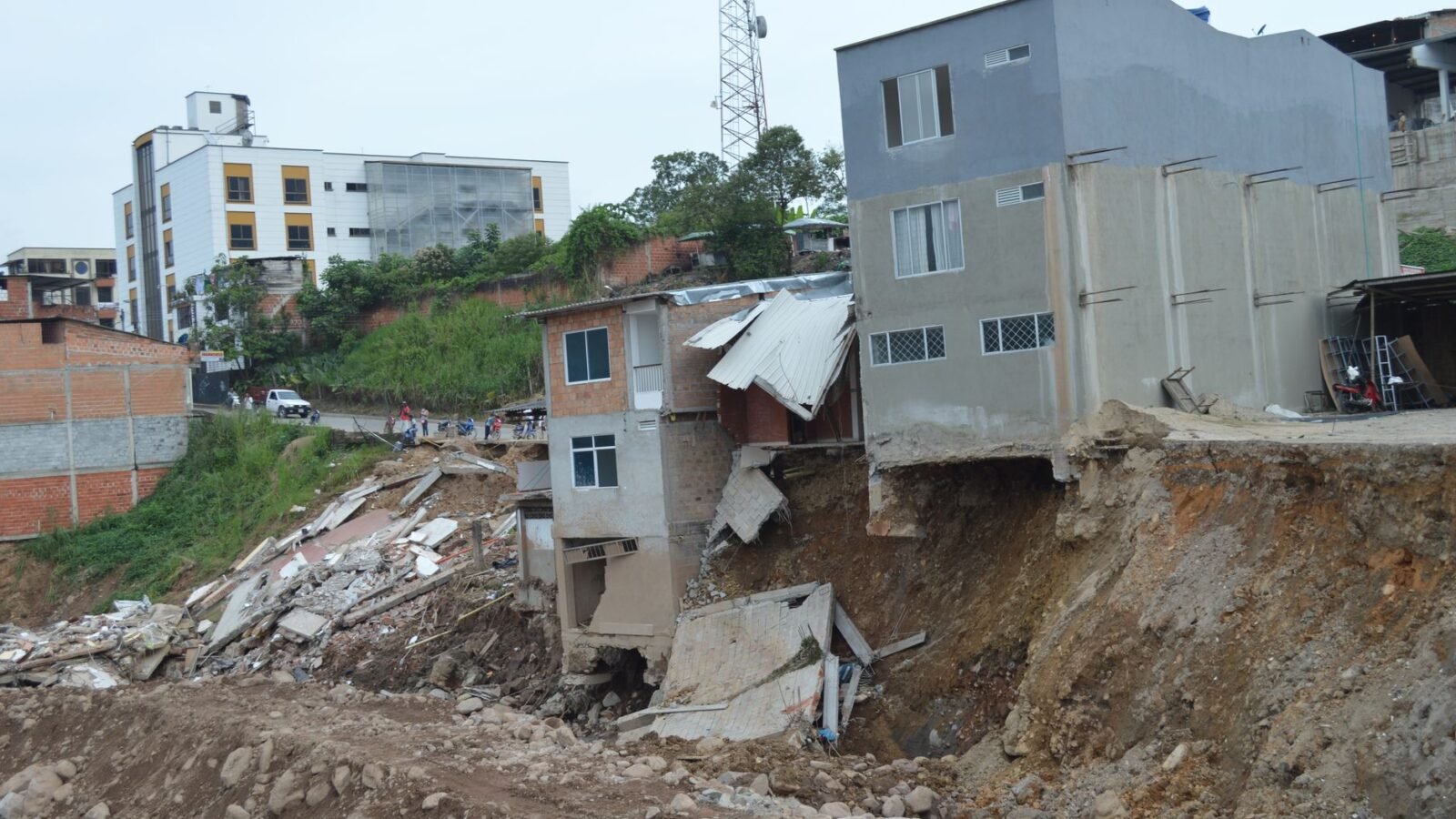
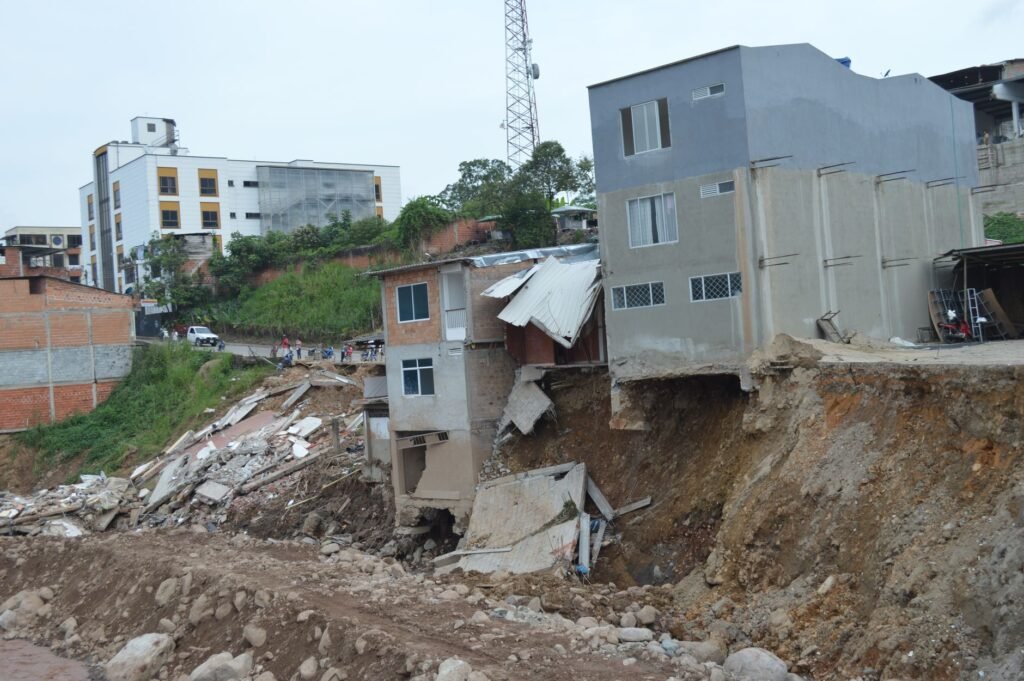
The powerful earthquake striking western Colombia, precipitating immediate search and rescue operations amidst collapsed structures, signals more than a localised humanitarian emergency. Such events, while tragic in their direct impact, invariably act as stress tests for the underlying administrative and infrastructural resilience of affected nations. For Colombia, a nation grappling with complex internal dynamics and a varied geographic landscape, the seismic event immediately shifts focus from ongoing political narratives to the pragmatic realities of state functionality under duress.
The location of the most severe damage, particularly in potentially remote or less developed western regions, is a critical variable. Access, logistical coordination, and the ability to project state authority and resources into challenging terrain will define the initial phase. Beyond this, the event draws attention to the quality of existing infrastructure, building codes, and emergency response frameworks – not merely in their theoretical existence, but in their practical application and enforcement. This is the first-order signal: a direct challenge to the state's operational capacity in a crisis.
The mechanism
The mechanism through which this disaster will unfold is multi-layered. Initially, it is a test of immediate emergency response: the speed of rescue, medical aid provision, and temporary shelter. The subsequent phase involves assessing and addressing infrastructure damage – roads, bridges, utilities – which dictates the pace of recovery and the restoration of economic activity. This is where the state's capacity for rapid engineering assessment, resource allocation, and project management comes to the fore. In regions with pre-existing infrastructure deficits, this challenge is amplified.
Economically, the earthquake will disrupt local supply chains, agricultural production, and small-scale commerce. The aggregate effect on regional GDP, while not immediately catastrophic for the national economy, can be devastating for affected communities, potentially driving internal displacement and exacerbating poverty. Politically, the effectiveness and perceived fairness of the government's response will either bolster or erode public trust. Disparities in aid distribution, bureaucratic inefficiencies, or perceived neglect of certain communities could fuel social unrest or empower opposition narratives. The mechanism, therefore, is one of cascading failures and recoveries, where each stage presents distinct challenges to governance and societal cohesion.
Who gains and who is exposed
In the immediate aftermath, no entity genuinely 'gains' from such a disaster. However, certain actors may find their positions strengthened or weakened depending on the unfolding response. The central government, if it mounts an effective, transparent, and equitable recovery effort, stands to gain significant political capital and reinforce its legitimacy. Conversely, a faltering or perceived inadequate response will expose its limitations, potentially empowering regional political rivals or even non-state actors who might step into perceived governance vacuums, particularly in areas where state presence is historically tenuous.
International aid organisations and donor nations are exposed to the challenge of effective intervention. Their ability to coordinate with local authorities, ensure aid reaches intended recipients without diversion, and contribute to sustainable reconstruction will be scrutinised. Private sector entities involved in reconstruction and supply chains face both opportunity and risk; the opportunity for contracts, but the risk of reputational damage if their involvement is seen as exploitative or inefficient. Ultimately, the most exposed are the directly affected populations, whose livelihoods and futures depend entirely on the efficacy and compassion of the broader response.
Leading indicators to track
Several leading indicators will offer insight into the trajectory of Colombia's recovery and the state's capacity. First, the speed and scale of road and bridge repairs in affected areas will signal logistical effectiveness. Delays here will compound other challenges. Second, the transparency and efficiency of disaster relief fund allocation and disbursement will be crucial. Any reports of corruption or significant bureaucratic bottlenecks will undermine confidence.
Third, monitor internal displacement figures and the establishment of long-term housing solutions. A protracted crisis in this area would indicate a failure to move beyond emergency relief to sustainable recovery. Fourth, observe the level of international aid pledges versus actual disbursement and project implementation. A significant gap would suggest either donor fatigue or difficulties in aid absorption. Finally, track local media reporting and public sentiment in affected regions; persistent criticism or protests will reflect deep-seated dissatisfaction with the recovery effort, potentially indicating broader governance challenges.
The twelve-month forecast
Over the next twelve months, Colombia's post-earthquake trajectory will be defined by a complex interplay of governmental action, civil society resilience, and external support. The initial emergency phase will transition into a prolonged period of assessment and early reconstruction. The government's ability to maintain focus and resources on the affected regions, despite competing national priorities, will be paramount. The critical question remains whether this event will serve as a catalyst for strengthening disaster preparedness and infrastructure resilience nationwide, or if it will expose and exacerbate existing systemic weaknesses, particularly in regions already struggling with socio-economic disparities and limited state presence.
The true measure of the state's capacity will not be in the initial rescue efforts, but in the sustained commitment to rebuilding and the implementation of reforms designed to mitigate future seismic risks. The international community's role, both in direct aid and technical assistance, could be instrumental in shaping this outcome. The forecast hinges on whether the immediate crisis galvanises a coordinated, long-term national response or simply overwhelms an already stretched administrative apparatus.
Scenario matrix
| Scenario | Probability | Confirming trigger |
|---|---|---|
| Robust, coordinated national recovery effort, leveraging international aid effectively. | 40% | Significant national budget allocation for reconstruction within 3 months, public-private partnerships announced for key infrastructure, and rapid disbursement of international aid without major bottlenecks. |
| Patchwork recovery, with some areas receiving adequate support while others, particularly remote regions, experience prolonged delays and resource shortfalls. | 45% | Uneven progress reports on infrastructure repair across affected regions, persistent local complaints about aid distribution, and a notable divergence in recovery rates between urban and rural areas within 6 months. |
| Stalled recovery, marked by bureaucratic inefficiencies, aid diversion, and political infighting, leading to widespread public dissatisfaction and potential social unrest. | 15% | Reports of significant corruption or mismanagement of relief funds, major delays in reconstruction projects beyond 6 months, and growing protests or political instability directly linked to the earthquake response. |
Probabilities are estimates, not certainties. They are published so the forecast can be scored later.
Source material: Al Jazeera – Breaking News, World News and Video from Al Jazeera