Historic Nuclear Deal Between Washington and Riyadh: Vision 2030 and Peaceful Energy Ambitions
خطوة استراتيجية كبرى نحو تعزيز استقرار المنطقة وتنويع مصادر الطاقة، مع تركيز على أهداف رؤية السعودية 2030 وتأثيرات الصفقة على المشهد الجيوسياسي العالمي.
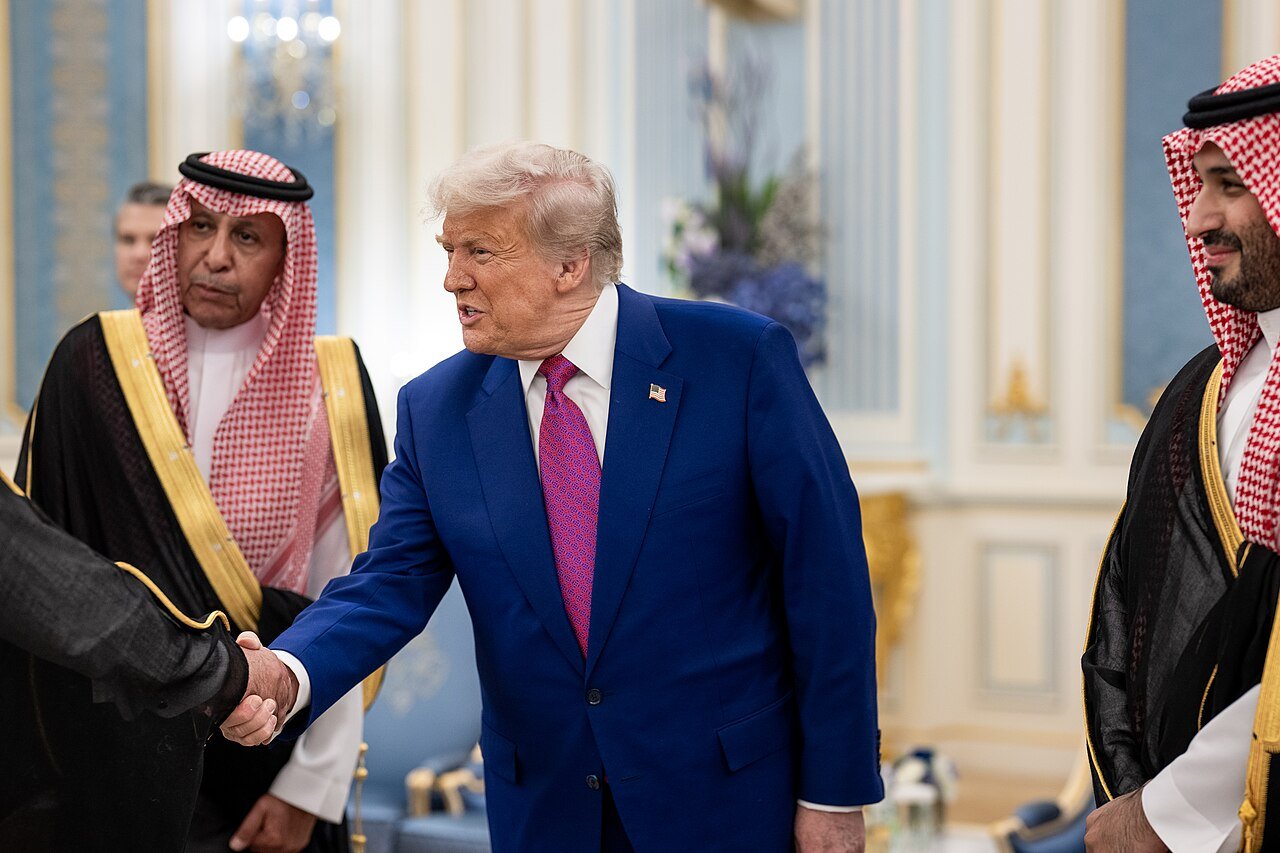
The Financial Times has revealed that the United States and Saudi Arabia have reached a preliminary understanding on a historic nuclear energy agreement, paving the way for Riyadh to develop its civilian nuclear program. This development comes amid broader efforts to strengthen the strategic partnership between the two countries, serving shared security and economic interests.
This agreement is an integral part of a wider security package aimed at establishing a strong defensive alliance between Washington and Riyadh. According to the Financial Times, the United States seeks to solidify its influence in the region, counter the growing influence of China and Russia, and contain Iran’s nuclear ambitions, reflecting the geopolitical importance of this partnership.
Saudi Arabia’s Vision 2030 and Peaceful Energy
For Saudi Arabia, this deal represents a fundamental pillar in its path towards achieving the ambitious goals of Vision 2030. The Kingdom aims to diversify its energy sources, reduce its reliance on oil, and enhance its position as an advanced economic and technological power through a peaceful nuclear program that contributes to sustainable development. This step highlights the Kingdom’s commitment to innovation and developing its self-capabilities to serve its economic and environmental future.
Controversy Surrounding the Deal: Transparency of Interests
Financial Times reports pointed to potential questions about conflicts of interest, especially with indications that this agreement could benefit associates of former US President Donald Trump. Specific details about how these individuals might be involved or the nature of the potential benefits have not been disclosed, but these indications put the deal under scrutiny, underscoring the importance of transparency and integrity in such major international agreements.
Why All Eyes Are on This Deal?
The growing interest in this deal is linked to current geopolitical tensions in the Middle East and the world. Amidst the race for influence among major powers, energy security challenges, and regional states’ aspirations to develop their peaceful nuclear capabilities, the US-Saudi agreement represents a model for strategic alliances that reshape the region’s political and economic map. It is also of interest to those following developments in nuclear energy programs in the region and their implications for regional stability.
Sources confirm that the agreement is designed to enhance regional stability and provide Saudi Arabia with the necessary technology for a civilian nuclear program under strict international supervision. However, the timing and indications related to US political controversy highlight the need for additional scrutiny to ensure that these agreements serve the highest national interests of all, free from any suspicions.
“الاتفاقية النووية بين واشنطن والرياض تُعيد تشكيل الخارطة الجيوسياسية وتدعم رؤية السعودية 2030.”
ما هي الأولوية القصوى التي تراها في الاتفاق النووي الأمريكي-السعودي؟
🔥 Readers are voting live
What are the main challenges this agreement is expected to face on its way to full implementation, and how can they be overcome to ensure the achievement of its strategic objectives?
The Debate
**Guest A:** “This agreement is the culmination of decades of security and strategic cooperation between the United States and Saudi Arabia. It is a crucial step to enhance regional stability, confront common challenges, and provide sustainable energy alternatives for the Kingdom within Vision 2030. The focus on the peaceful nature of the Saudi nuclear program under international supervision ensures transparency and alleviates any security concerns.”
**Guest B:** “While the agreement presents strategic opportunities, any indications related to potential conflicts of interest cast a shadow on the deal’s legitimacy and increase the challenges to its approval. It is essential to have full transparency and strict scrutiny to ensure that these agreements serve the national interests of both countries, free from any undue influence, especially in a sensitive electoral environment.”
Sources: Financial Times
🗞 National Times Newsroom — AI-assisted editorial desk · Reported by Adam Cole · Analysis by Dr. Idris Okafor · Edited by Leila Mansour · Sources verified