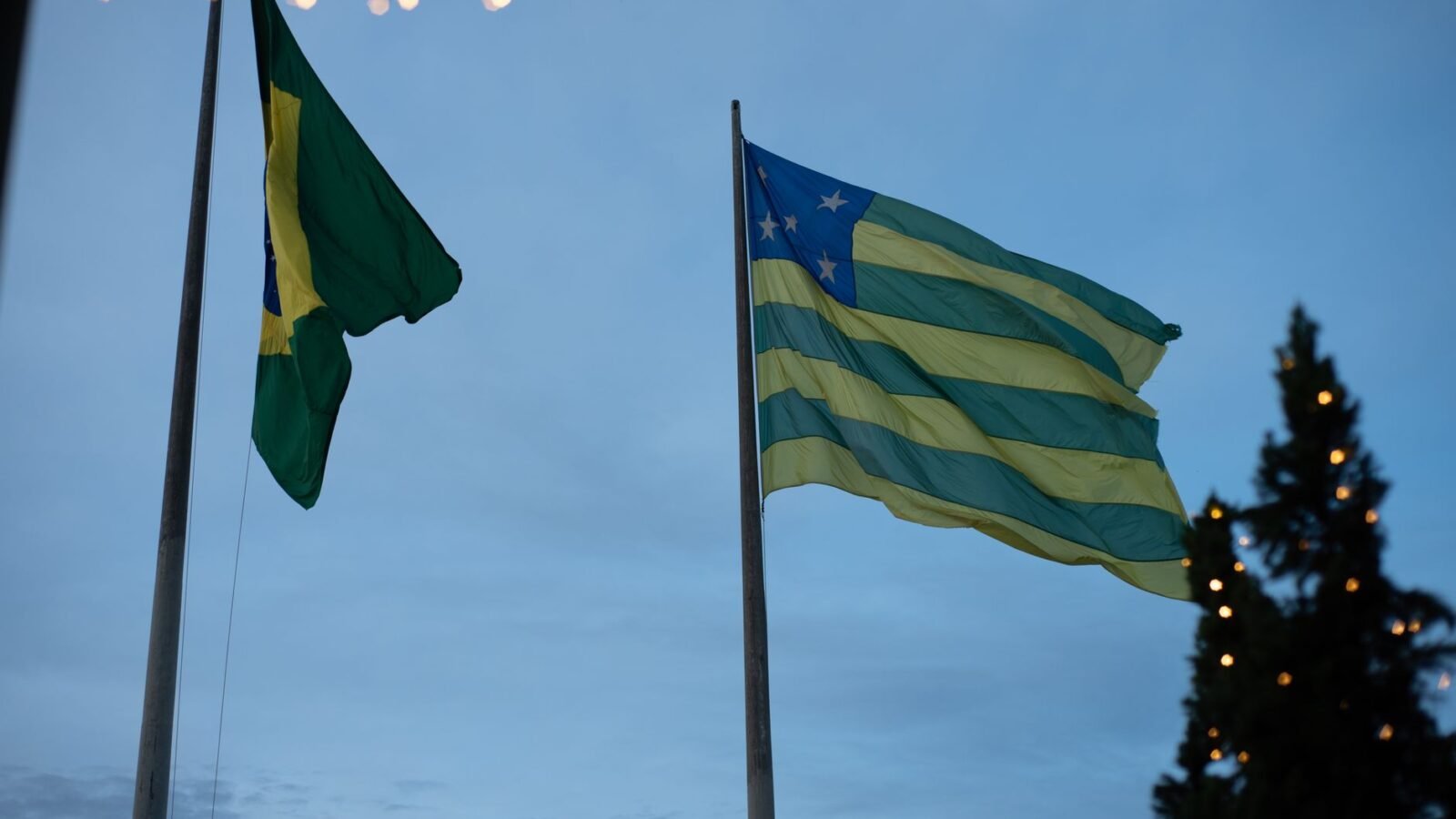
Brazil Rejects US Election Delegation Amid Sovereignty Tensions
Brazil has blocked a U.S. delegation from questioning its election system, fueling debate over national sovereignty versus international oversight ahead of crucial polls.
Brazil has denied visas to a U.S. delegation seeking to scrutinize its election system, igniting a fresh diplomatic standoff, The New York Times reported. This unprecedented move signals a hardening stance by Brazil in asserting control over its internal electoral processes.
The rejection comes amid heightened domestic concerns about potential foreign interference in upcoming Brazilian elections and follows what the newspaper described as 'unverified claims of vulnerability' regarding the nation's electronic voting system.
Geopolitical Friction Over Electoral Integrity
Brazilian officials reportedly viewed the U.S. delegation's intended visit as an unwelcome intrusion into their sovereign affairs, particularly sensitive as the nation prepares for its own electoral cycle. The New York Times report did not specify which U.S. officials comprised the delegation or the exact timing of their proposed visit.
This incident underscores a growing global trend: nations are increasingly pushing back against what they perceive as foreign attempts to influence or validate their democratic mechanisms. The tension highlights an evolving landscape where national integrity is prioritized over traditional forms of external scrutiny.
Why this is trending
Brazil's decision resonates with a broader global movement towards reinforced national sovereignty and a re-evaluation of international observation protocols. This assertive posture, particularly from nations navigating internal political sensitivities and facing 'unverified claims' about their systems, reflects a strategic effort to insulate electoral processes from both real and perceived external pressures. The move is keenly watched by other states contemplating similar diplomatic stances.
“Brazil's rejection of a U.S. election delegation underscores a growing global trend: nations are increasingly pushing back against what they perceive as foreign attempts to influence or validate their democratic mechanisms.”
⚡ Quick Poll
Should nations have the sole right to manage their electoral processes without external observation?
🔥 Readers are voting live
The denial of access challenges established norms of diplomatic engagement around electoral processes, potentially setting a precedent for other nations to assert greater control over their internal affairs.
How might Brazil's firm stance influence future international election observation missions globally?
The Stakes for International Norms
The U.S. delegation's stated aim, according to the newspaper, was to examine Brazil's electronic voting system. This system has been the subject of scrutiny and what The New York Times termed "unverified claims of vulnerability," intensifying the domestic political stakes for Brazilian officials. Any perceived external validation or scrutiny could easily become a lightning rod for nationalist sentiment within Brazil.
🗞 National Times Newsroom
— Reported by Adam Cole · Analysis by Dr. Idris Okafor · Edited by Leila Mansour · Approved by Victoria Hale · Standards score 90/100