The Hidden Mechanism Behind Hormuz Strait Dispute Exposes New US-Saudi Rift Amid Regional Tensions—and What Changes Next
A disagreement over the strategic Strait of Hormuz is creating a fresh fracture in US-Saudi relations, raising concerns about regional stability and global oil supplies amidst heightened Iranian assertiveness.
Community prediction: What happens next?
A signal to monitor, not a certainty forecast.
Why this matters now
The signal: Hormuz Strait Dispute Exposes New US-Saudi Rift Amid Regional Tensions may reorder priorities faster than the headline suggests.
Who wins, who loses
Advantage goes to actors with decision speed and execution capacity. The exposed are those treating this as an isolated headline rather than a shift in leverage.
“Can the two nations bridge their differing approaches to managing the Strait of Hormuz? The answer will have profound implications for oil security, regional stability, and the configuration of alliances.”
Which factor is most impacting US-Saudi relations regarding the Strait of Hormuz?
🔥 Readers are voting live
What happens next
Watch next: the next decision, capital flow, and execution capacity over the next six months.
Evidence & context
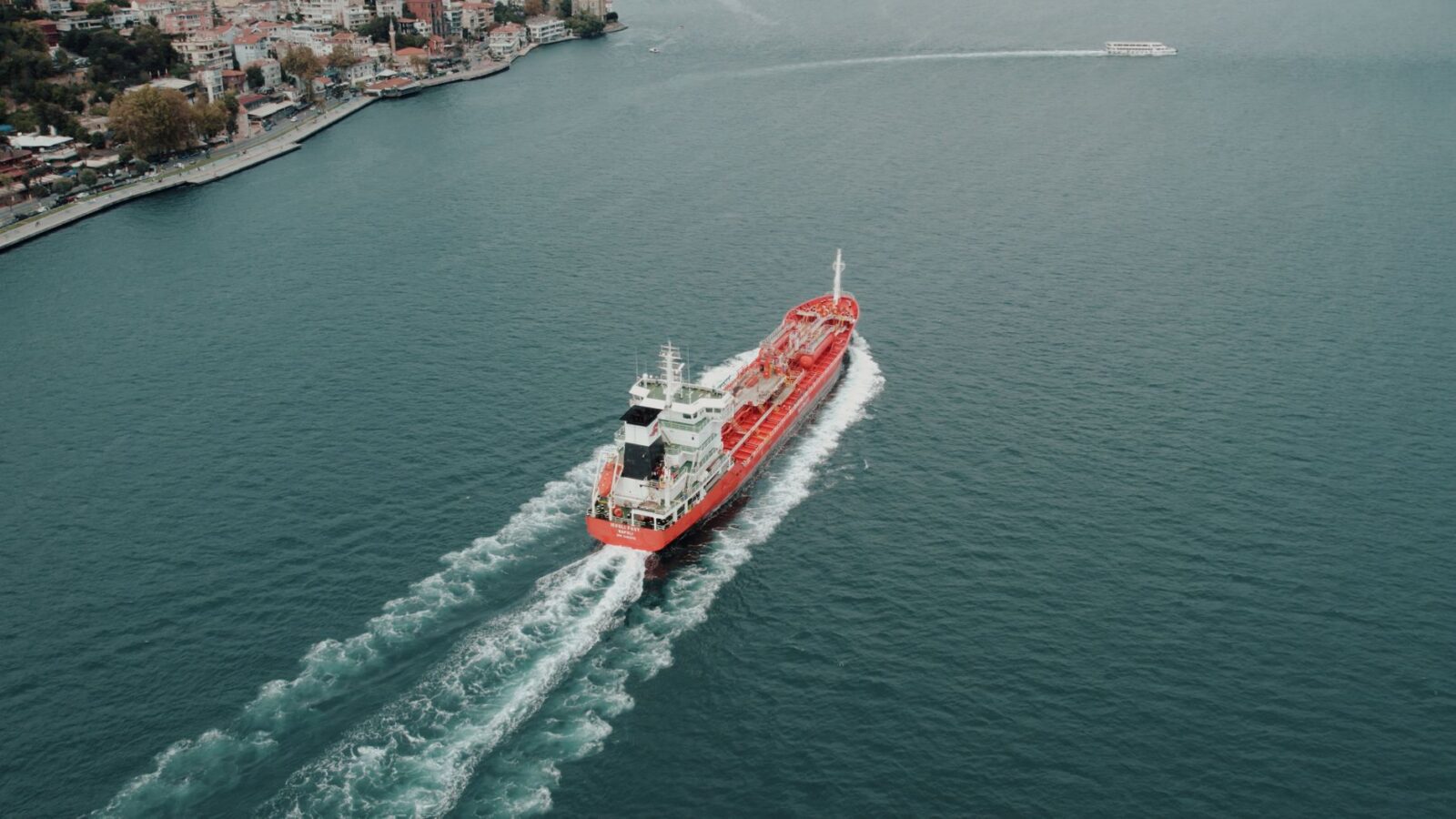
A significant dispute over the Strait of Hormuz is reportedly driving a new wedge into the evolving relationship between the United States and Saudi Arabia, according to an exclusive report by The Wall Street Journal. This tension centers on differing approaches to managing the critical waterway, a lifeline for global oil shipments and a frequent flashpoint in the Gulf.
The core of the disagreement, as reported by the WSJ, revolves around whether Saudi Arabia and the US can reconcile their strategies for dealing with the Strait, especially in the context of escalating regional tensions. This comes as Iran has shown increased assertiveness in the waterway, leading to concerns over the free flow of oil and regional security.
For decades, the Strait of Hormuz has been a linchpin of global energy security, with a substantial portion of the world's seaborne oil passing through it daily. Any disruption or perceived threat to its navigability can send ripples through international markets and diplomatic channels.
The US has historically played a robust role in ensuring the Strait's security, often leading multinational efforts. However, Saudi Arabia, a key Gulf power and a major oil producer, also has significant stakes and its own strategic considerations regarding the waterway.
The report by the WSJ raises crucial questions about the future of diplomatic alliances in the region. The ability of Riyadh and Washington to align their strategies on such a critical geopolitical choke point is seen as a barometer for the broader health of their often complex relationship.
Furthermore, the legitimate controversy surfacing from this dispute concerns the fundamental tension: can the two nations bridge their differing approaches to managing the Strait of Hormuz? The answer will have profound implications for oil security, regional stability, and the configuration of alliances, particularly in light of Iran's ongoing assertiveness in the Gulf.
While the specific details of the differing approaches were not extensively outlined in the available signal, the mere existence of a 'dispute' over opening Hormuz suggests a divergence in operational or strategic priorities. This divergence could range from preferred responses to Iranian actions to the desired level of military presence and engagement in the Strait. This latest development underscores the intricate balance of interests and pressures shaping Gulf affairs. The Strait of Hormuz remains a nexus where global energy demands, regional geopolitical rivalries, and major power dynamics converge, making any disagreement among key players a matter of international consequence.
Sources: WSJ
🗞 National Times Newsroom — AI-assisted editorial desk · Reported by Noura Al-Fahad · Analysis by Dr. Idris Okafor · Edited by Leila Mansour · Sources verified