Hawaii Flooding: Resilience or Ominous Precedent for Climate Migration?
Trending Global
The conversion of Hurricane Lala to a tropical storm before landfall on Hawaii's Big Island presents a complex case study in climate adaptation and risk.
What just happened
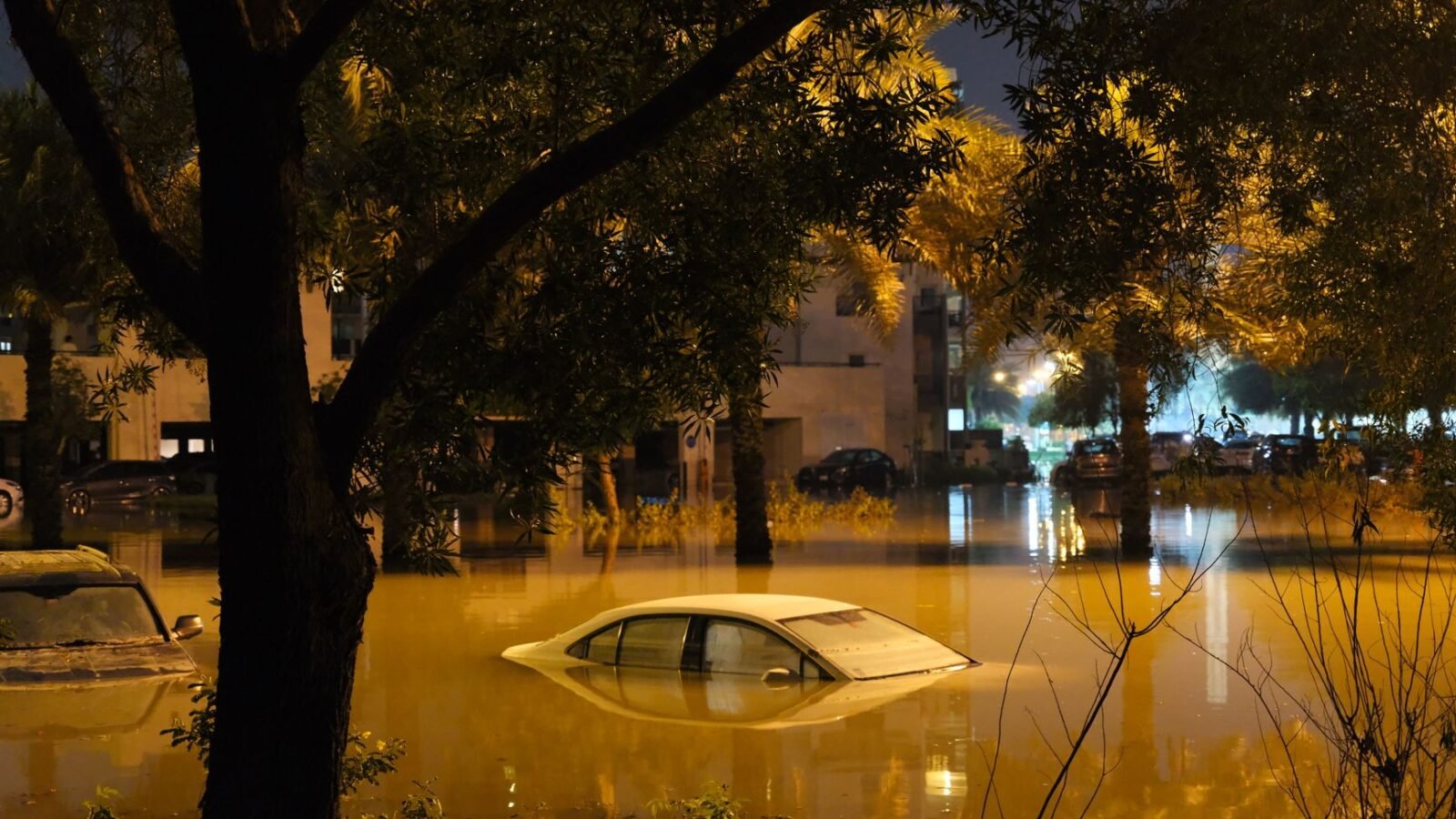
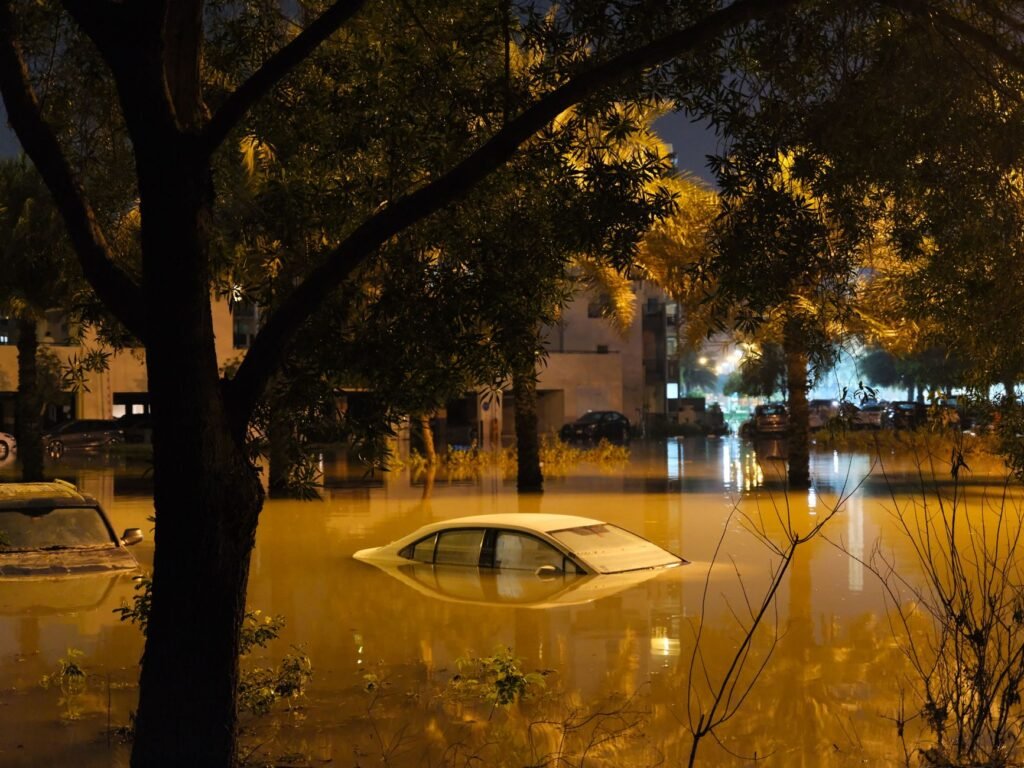
Hurricane Lala, a significant cyclonic system, approached Hawaii's Big Island but ultimately weakened to a tropical storm before making direct landfall. While this averted the most severe wind-related damage characteristic of a full-strength hurricane, the system still brought substantial precipitation, resulting in widespread and persistent flooding across parts of the island. This outcome represents a partial reprieve from a potentially devastating scenario, yet it simultaneously underscored the inherent vulnerabilities of island geographies to extreme weather events, even when their intensity is mitigated.
Why it is contested
The interpretation of Lala's impact is proving contentious, bifurcating into two primary analytical frameworks: one emphasising the efficacy of existing preparedness and the other highlighting an escalating, unaddressed climate threat. The absence of a direct hurricane landfall, for instance, is cited by some as evidence that Hawaii's infrastructure and early warning systems proved robust enough to mitigate the worst-case scenario. Conversely, the pervasive flooding, despite the storm's downgraded status, is presented as an ominous indicator of future challenges, suggesting that even 'reduced' threats can overwhelm local capacities. The core of the dispute lies in whether this event signals a successful demonstration of resilience or a stark warning of inadequacy against a backdrop of increasing climatic volatility.
The competing narratives
One prevailing narrative posits that Hawaii's experience with Hurricane Lala validates its current disaster preparedness strategies and infrastructure investments. Proponents of this view argue that the weakening of the storm, coupled with effective public warnings and emergency response, prevented a far greater catastrophe. They might point to the absence of mass casualties or widespread infrastructural collapse as evidence that adaptation measures are largely effective, buying crucial time for further enhancements. The strongest objection to this interpretation is that it risks complacency. Attributing the outcome primarily to human preparedness overlooks the stochastic nature of weather events; the storm's weakening before landfall could be more a matter of meteorological chance than a direct consequence of human intervention. It also downplays the significant disruption and property damage caused by the flooding that did occur, implying that 'not the worst' equates to 'good enough'.
An alternative, more cautionary narrative frames the event as a critical warning, suggesting that Hawaii merely dodged a bullet and remains profoundly vulnerable to future, potentially more intense, climate impacts. This perspective argues that persistent flooding from a *tropical storm* demonstrates the acute fragility of island ecosystems and infrastructure. It raises questions about the long-term sustainability of coastal communities and the potential for climate-induced migration if such events become more frequent or severe. The strongest objection to this view is that it can appear alarmist, potentially overstating the immediate threat and underestimating the capacity for continued adaptation and innovation. It risks fostering a sense of inevitability that could undermine proactive policy efforts, suggesting that retreat is the only viable option rather than sustained investment in resilience.
What to watch next
The immediate aftermath will see a focus on damage assessment and recovery operations. However, the longer-term implications will manifest in ongoing policy debates regarding infrastructure investment, land-use planning, and potential population shifts. Observers should monitor whether the Hawaiian government prioritises incremental strengthening of existing defenses or explores more radical options, such as managed retreat from highly vulnerable areas. The discourse around this event will likely shape funding allocations for climate resilience projects, both domestically and internationally, as other island nations observe Hawaii's response. The degree to which this near-miss influences insurance markets and property values in coastal regions will also be a key indicator of how the financial sector interprets the future risk profile.
The bottom line
Hawaii’s encounter with Hurricane Lala, though not catastrophic, has illuminated a fundamental tension in climate adaptation: is the focus on building resilience in place, or must the discussion shift towards strategic retreat? The event offers no singular, unambiguous lesson, instead presenting a mirror to existing biases regarding climate action. What precisely would constitute conclusive evidence that current strategies are either sufficient or critically flawed, and what scale of event must transpire before one interpretation decisively eclipses the other?
Source material: Al Jazeera – Breaking News, World News and Video from Al Jazeera