UK Cost-of-Living Crisis: Beyond Immediate Relief Measures
Trending Global
The UK's new government faces immense pressure to address a deepening cost-of-living crisis, yet the structural causes remain debated.
What just happened
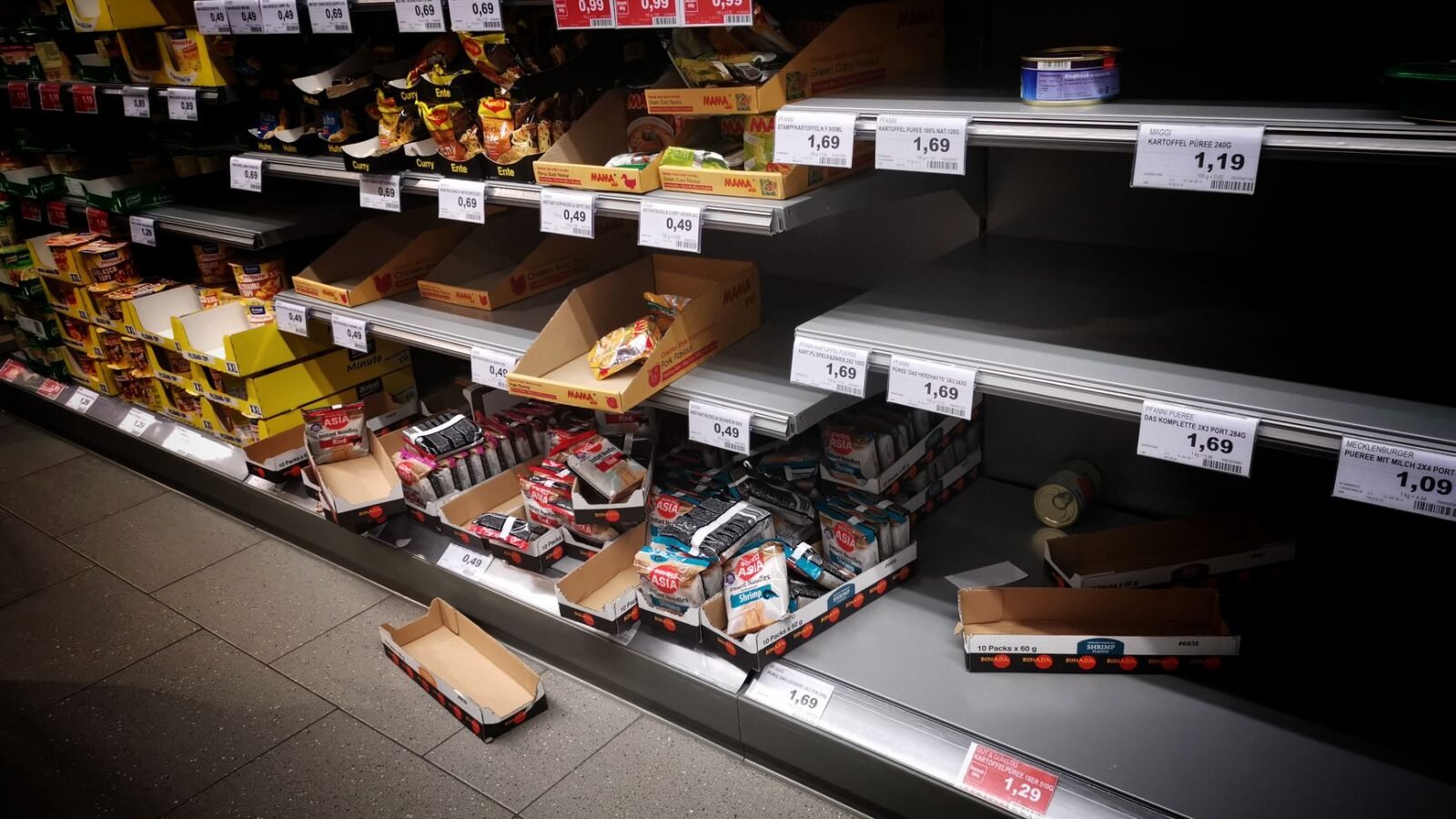
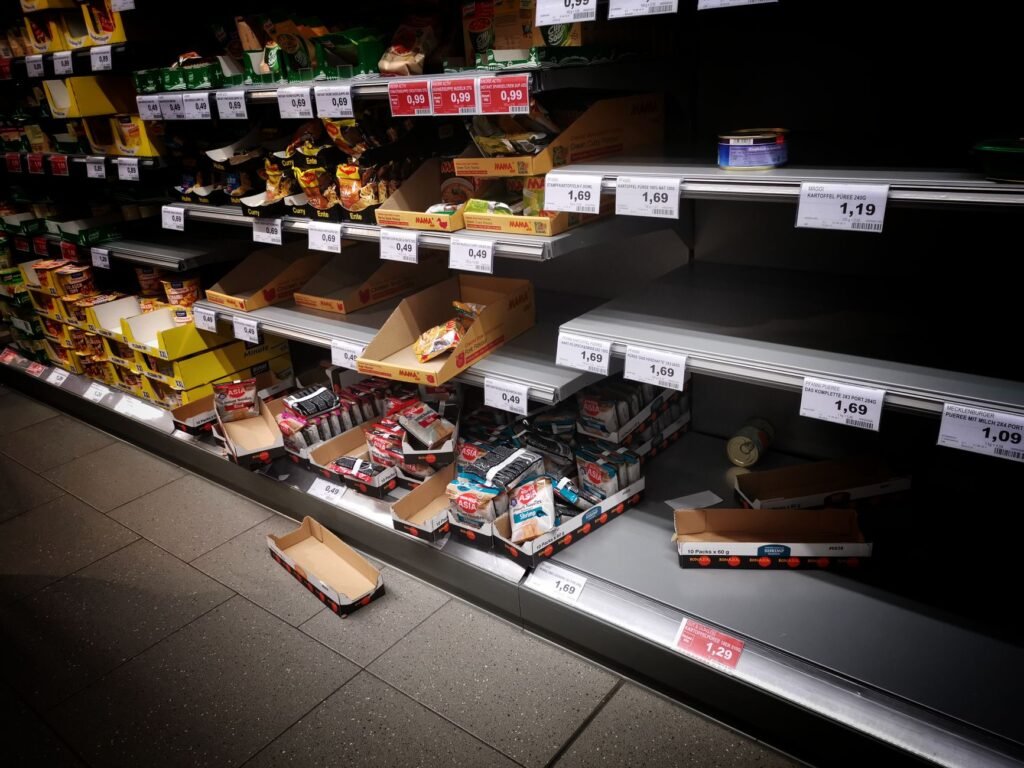
The new British prime minister has publicly committed to addressing the pervasive cost-of-living crisis, a situation described as 'stressful' for millions of families struggling to afford basic items. This pledge comes amidst widespread public concern and mounting political pressure to demonstrate immediate action. The focus is squarely on providing relief to households grappling with rising expenses, implying a suite of policy interventions aimed at mitigating the immediate impact of inflation and stagnant real wages.
Why it is contested
While the imperative to alleviate hardship is universally accepted, the underlying causes of the UK's economic predicament and the most effective remedies remain highly contested. The debate transcends mere policy preference, touching on fundamental interpretations of the British economy's health. Is this a transient inflationary shock, largely imported and amenable to fiscal relief, or a deeper structural malaise requiring more profound economic recalibration?
One perspective views the crisis as primarily a consequence of global macroeconomic forces—specifically, post-pandemic supply chain disruptions and the geopolitical energy shock—exacerbated by a tight labour market. From this standpoint, the appropriate response involves targeted fiscal support to shield vulnerable households and, potentially, prudential monetary policy to anchor inflation expectations. The strongest objection to this reading is that it externalises too much of the problem, overlooking domestic policy choices that may have amplified the shocks or left the economy particularly vulnerable.
The competing narratives
A rival narrative posits that the UK's cost-of-living crisis is less a sudden shock and more the culmination of long-term structural deficiencies. Proponents of this view point to decades of underinvestment in infrastructure, persistent productivity challenges, and a reliance on demand-side stimulus over supply-side reform. They argue that successive governments have failed to foster an economic environment conducive to sustained real wage growth and resilience against external pressures. For this narrative, merely providing financial aid, while necessary in the short term, risks entrenching the underlying problems rather than resolving them. The strongest objection here is that attributing the crisis solely to long-term structural issues downplays the immediate and undeniable impact of recent global events, potentially leading to an over-emphasis on reforms that would yield results too slowly to address current suffering.
A third, more critical, interpretation suggests a policy failure specific to the past decade: a combination of loose monetary policy, insufficient fiscal discipline, and a lack of coherent industrial strategy. This perspective often highlights the impact of specific political decisions on trade relationships and regulatory frameworks, arguing these have contributed to inflationary pressures and reduced economic dynamism. The counter-argument is that such a reading is overly deterministic and ignores the agency of businesses and consumers in adapting to changing conditions, as well as the inherent unpredictability of the global economic environment.
What to watch next
The immediate policy announcements from the new government will indicate which of these narratives holds dominant sway within the new administration. Will the focus be on broad-based fiscal support, targeted relief, or a more ambitious programme of supply-side reform? The specifics of any energy price caps, welfare adjustments, or tax changes will signal the perceived urgency and preferred instruments of intervention. Beyond the immediate fiscal response, attention will turn to the Bank of England's monetary policy stance. Will it continue its trajectory of interest rate hikes to combat inflation, or will the government's fiscal interventions ease the pressure for further tightening? The interaction between fiscal and monetary policy will be crucial, as will the market reaction to both. Any significant divergence in approach could either stabilise or further destabilise investor confidence.
The bottom line
The UK's cost-of-living crisis is a complex phenomenon, and its resolution hinges on correctly diagnosing its primary drivers. While the new government is under intense pressure to deliver immediate relief, the critical question remains: are these interventions merely treating symptoms, or do they address the fundamental economic conditions that have left millions vulnerable? The path forward will reveal whether Britain opts for short-term alleviation or embarks on a more profound, and potentially more disruptive, economic reorientation.
Source material: Al Jazeera – Breaking News, World News and Video from Al Jazeera