USS Lincoln Deployment Strains Readiness, Signalling Deeper Naval Overstretch
Trending Global
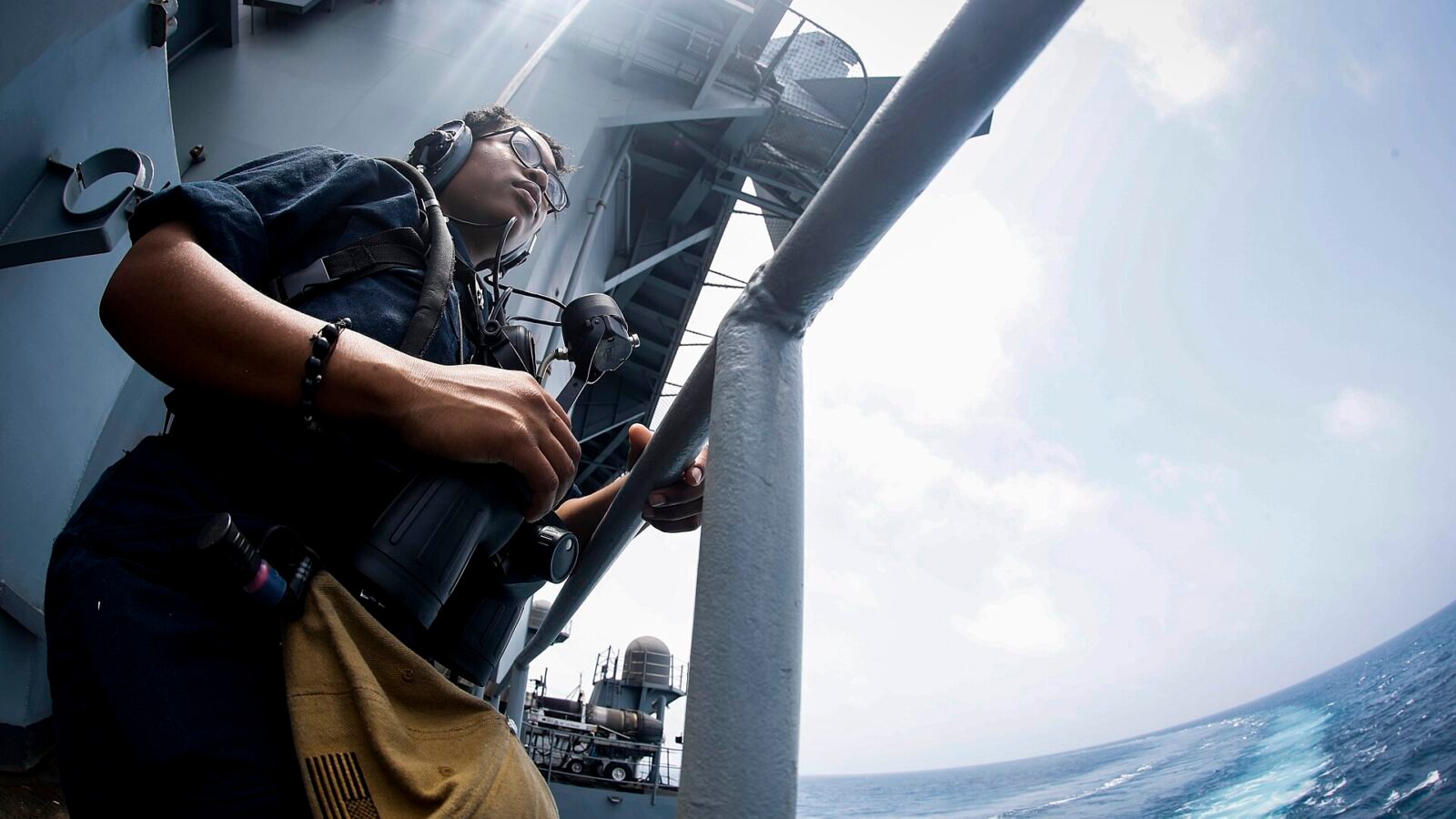
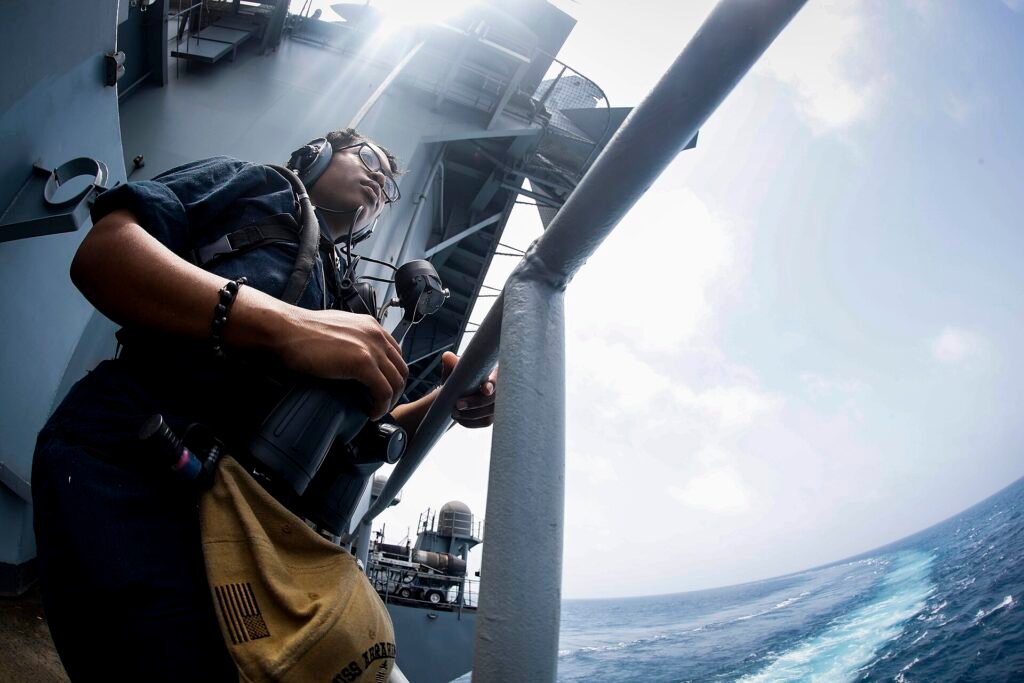
The USS Abraham Lincoln's extended deployment underscores a persistent challenge for the US Navy: balancing global commitments with fleet maintenance and personnel well-being.
What just happened
The USS Abraham Lincoln aircraft carrier strike group has concluded an unusually lengthy deployment, drawing attention to the sustained operational tempo of the US Navy. While specific details regarding the duration or its implications for individual crew members remain undisclosed by official channels, the prevailing narrative suggests a period of heightened strain. Such protracted missions are understood to exert considerable pressure on personnel welfare, equipment maintenance cycles, and ultimately, the overall operational readiness of a carrier and its accompanying vessels. This instance is being scrutinised as a contemporary example of the challenges inherent in maintaining a global naval presence.
The context for this extended deployment is a complex tapestry of geopolitical demands, ranging from maintaining stability in contested maritime zones to projecting power in response to emergent crises. Aircraft carriers, by their nature, are deployed as symbols of national resolve and as platforms for rapid response. However, the continuous cycle of deployment, maintenance, and training requires an intricate balance of resources, personnel, and strategic planning. Any deviation from standard deployment lengths can ripple through this system, affecting everything from crew retention to the long-term service life of the vessel.
Why it is contested
The significance of the USS Abraham Lincoln's deployment is subject to considerable debate among defence strategists and policy analysts. On one side, it is viewed as an isolated, albeit challenging, operational necessity, a testament to the flexibility and resilience of the US Navy in meeting unforeseen demands. Proponents of this view argue that such instances, while not ideal, are within the established parameters of naval operations and do not fundamentally undermine the fleet's capabilities. They might point to historical precedents of lengthy deployments during periods of global tension, framing the current situation as a continuation of a long-standing pattern of adapting to strategic imperatives.
Conversely, a strong counter-argument posits that this deployment is symptomatic of a deeper, systemic issue: an overstretched naval force attempting to meet an expanding array of global commitments with insufficient resources. This perspective suggests that the repeated reliance on extended deployments degrades not only individual platforms and personnel but the entire naval enterprise. It raises questions about the long-term sustainability of the US Navy's global posture, its ability to attract and retain skilled personnel, and its capacity to surge forces effectively in a major conflict. The core of the contestation lies in whether this event is an anomaly or an indicator of a structural vulnerability.
The competing narratives
One dominant narrative frames the USS Abraham Lincoln's extended deployment as a necessary, if demanding, execution of strategic policy, demonstrating the US's unwavering commitment to its allies and interests abroad. This perspective often highlights the inherent flexibility of naval assets, particularly aircraft carriers, to adapt to evolving threats and maintain a continuous presence in critical regions. The strongest objection to this reading is that it risks normalising conditions that are ultimately unsustainable. If such deployments become routine, the cumulative effect on human capital and matériel could compromise readiness more profoundly than any immediate strategic gain.
The rival interpretation contends that the deployment is a clear symptom of a naval force operating at or beyond its sustainable capacity. This narrative suggests that the US Navy is being compelled to make difficult trade-offs between maintaining forward presence, ensuring adequate rest and training for its crews, and conducting essential maintenance and modernisation. The most potent objection to this view is that it might underestimate the inherent resilience and adaptability of a professional military force. Critics might argue that while challenging, the Navy routinely navigates such pressures and that occasional extensions do not automatically equate to a fundamental breakdown of capability or strategy. The tension remains between viewing this as an unavoidable strain or a warning sign of strategic overextension.
What to watch next
Future naval deployment patterns will offer critical insights. Will similar extended deployments become more frequent across the fleet, or will there be a demonstrable return to more standardised schedules? The US Navy's official communications regarding recruitment, retention rates, and maintenance backlogs will also be telling. Any qualitative shift in these metrics could either corroborate or challenge the narrative of systemic overstretch. Furthermore, observe the trajectory of congressional appropriations for naval shipbuilding and personnel support; a significant increase could indicate an official recognition of under-resourcing, while flat or declining budgets might suggest a different assessment of the current state of readiness.
The bottom line
The USS Abraham Lincoln's recent deployment has forced a re-examination of the US Navy's operational tempo and its long-term implications. Is this an instance of a highly capable force demonstrating its inherent flexibility in meeting global demands, or does it expose a deeper vulnerability in the face of persistent strategic commitments? The answer hinges on whether this event is an outlier or a harbinger of a new normal for naval operations, requiring a fundamental reassessment of fleet size, personnel management, and global strategic priorities.
Source material: Al Jazeera – Breaking News, World News and Video from Al Jazeera