Kyiv strikes expose Ukraine’s air defence calculus
Trending Global
Recent attacks on Kyiv highlight the difficult choices Ukraine faces in allocating finite air defence assets amidst sustained Russian pressure.
What just happened
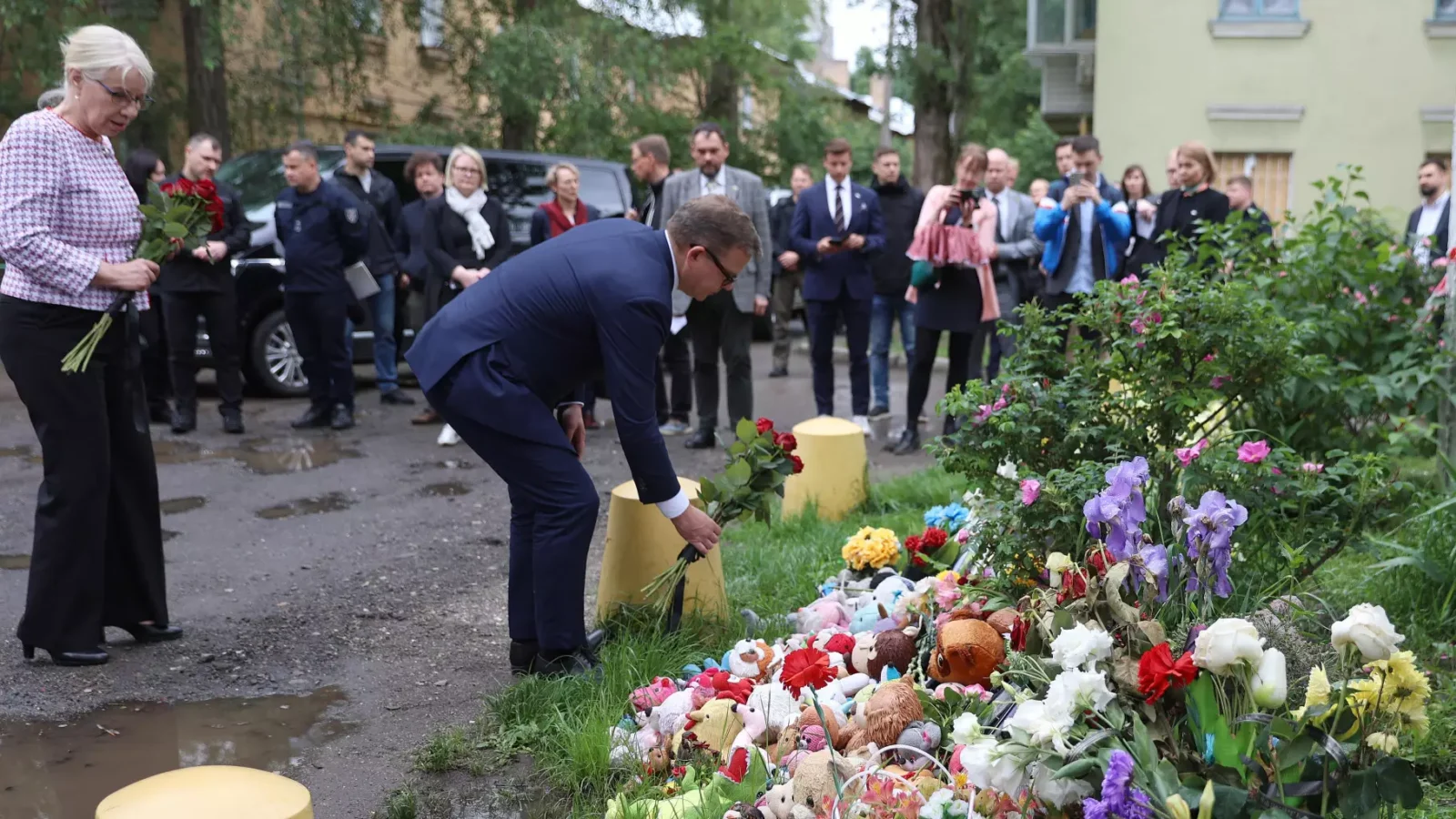
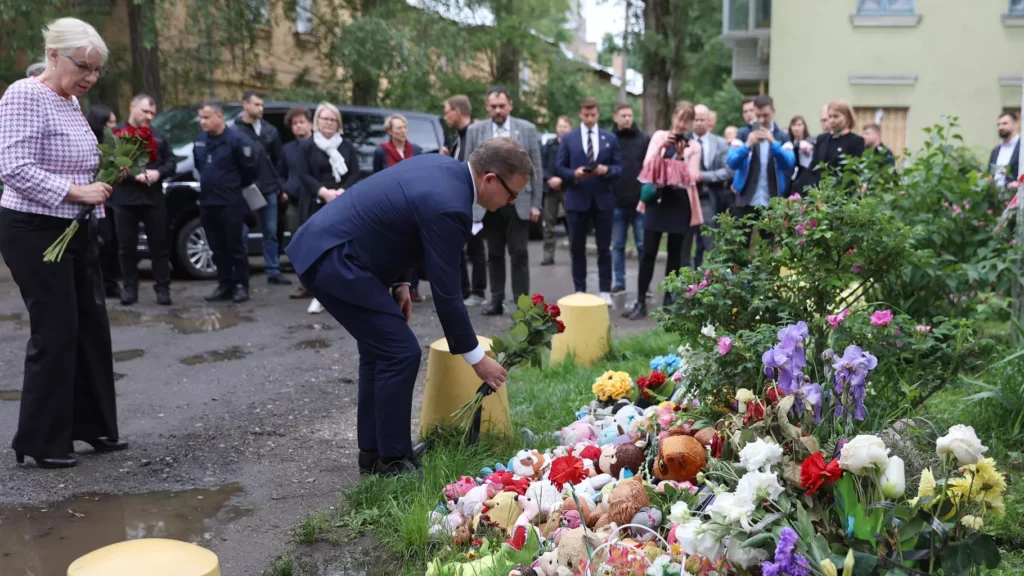
Kyiv endured a 'massive attack' on Thursday, resulting in at least 12 fatalities. Official reports confirm that the strikes targeted both apartment blocks and warehouses, indicating a broad assault on urban infrastructure. This event marks a significant escalation in the intensity or effectiveness of recent Russian aerial campaigns against the Ukrainian capital, drawing immediate attention to the state of Ukraine's defensive capabilities.
The nature of the targets – civilian residences and industrial facilities – suggests an intent beyond purely military objectives. Such attacks inevitably raise questions about the efficacy of existing air defence systems, particularly within a heavily defended urban centre like Kyiv. The scale of the damage and casualties points to either a saturation of defences or specific vulnerabilities exploited by the attacking forces.
Why it is contested
The interpretation of these strikes is sharply contested. On one side, the incident is presented as stark evidence of Ukraine's critical and worsening air defence shortages. Proponents of this view argue that the successful penetration of Kyiv's airspace by a significant number of projectiles, leading to substantial damage and loss of life, demonstrates an undeniable gap in protection. This perspective often highlights the urgency of increased Western military aid, particularly advanced air defence systems and interceptor missiles, to prevent further such occurrences.
Conversely, another reading suggests that while the attacks are severe, they may not solely reflect a deficit in overall air defence capacity but rather a deliberate and painful strategic prioritisation. This view posits that Ukraine is forced to make difficult choices, allocating its most capable air defence assets to protect front-line military positions or critical energy infrastructure, potentially leaving major urban centres like Kyiv with a reduced, though still substantial, defensive umbrella. The decision, in this interpretation, is not one of neglect but of unavoidable trade-offs in a protracted conflict with finite resources.
The competing narratives
The dominant narrative following the Kyiv strikes centres on the notion of an acute, systemic shortage of air defence. This perspective is bolstered by repeated Ukrainian pleas for more advanced systems and ammunition from Western partners. The argument here is that without a substantial and immediate increase in supplies, Ukraine's cities will remain increasingly vulnerable, impacting civilian morale and the country's economic capacity. The strongest objection to this reading is that it risks oversimplifying the operational reality, potentially framing every successful attack as a complete failure of defence rather than an inevitable outcome of a prolonged and high-intensity air war where no defence is absolute.
An alternative narrative, less frequently articulated publicly but circulating among defence analysts, suggests that Ukraine's air defence strategy involves calculated risk. Given finite resources, the deployment of expensive interceptors and sophisticated systems must be optimised. If critical military assets, logistics hubs, or energy infrastructure are deemed higher priority for defence than parts of Kyiv's urban fabric at a given moment, then a successful strike on the latter, while tragic, represents a managed, albeit painful, consequence of strategic allocation. The strongest objection to this interpretation is its perceived lack of empathy for civilian casualties and its potential to downplay the very real need for robust urban protection. It also relies on the assumption of perfect information and rational decision-making in a highly dynamic and stressful environment, which may not always hold true.
What to watch next
The immediate aftermath of these strikes will likely see renewed pressure on Western allies to accelerate and expand deliveries of air defence systems. Observing the quantity and type of new commitments, as well as the speed of their deployment, will be crucial. Any significant shift in the rhetoric or policy of key Western suppliers could indicate a recalibration of their assessment of Ukraine's needs.
Domestically, attention will turn to whether Ukraine publicly adjusts its air defence deployment strategy, either by reallocating existing assets or by making more explicit public statements about prioritisation. The frequency and success rate of subsequent Russian aerial attacks on Kyiv and other major cities will also serve as an operational indicator of whether any adjustments, either by Ukraine or its allies, have altered the defensive calculus. The long-term sustainability of Western material support, particularly for high-cost interceptors, remains an open question that these events bring into sharper relief.
The bottom line
The Kyiv strikes force a critical reassessment of Ukraine's air defence posture: are these incidents indicative of an unmanageable deficit, or do they reflect the grim reality of strategic choices made under duress? The distinction is not merely academic, shaping both international aid priorities and Ukraine's long-term resilience.
Source material: BBC News