Gaza Recoveries: A Test of Narrative Control Amidst Unfolding Conflict
Trending Global
The recovery of 50 bodies in Gaza intensifies the struggle over casualty accounting and the interpretation of the conflict's long-term human cost.
What just happened
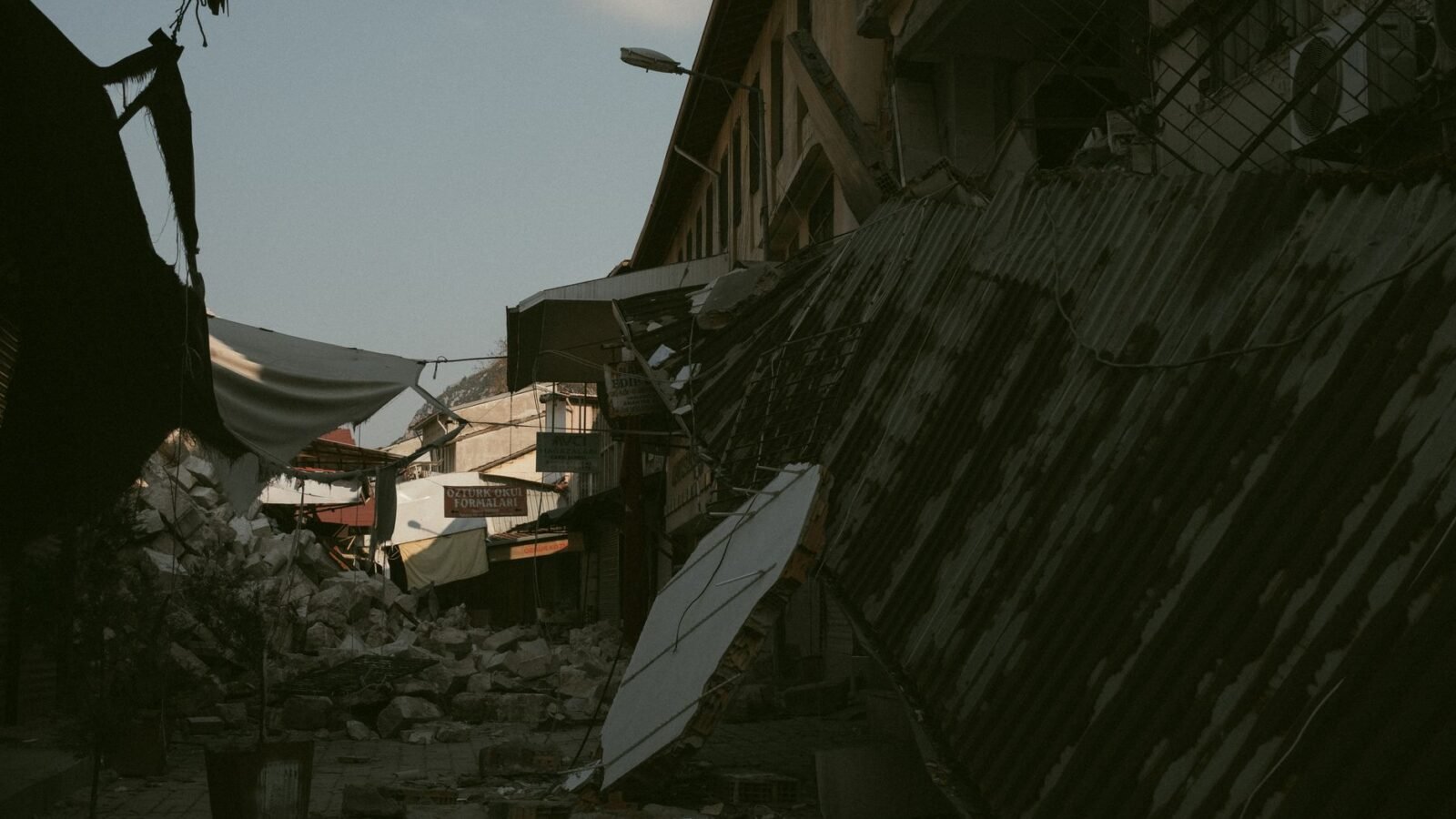
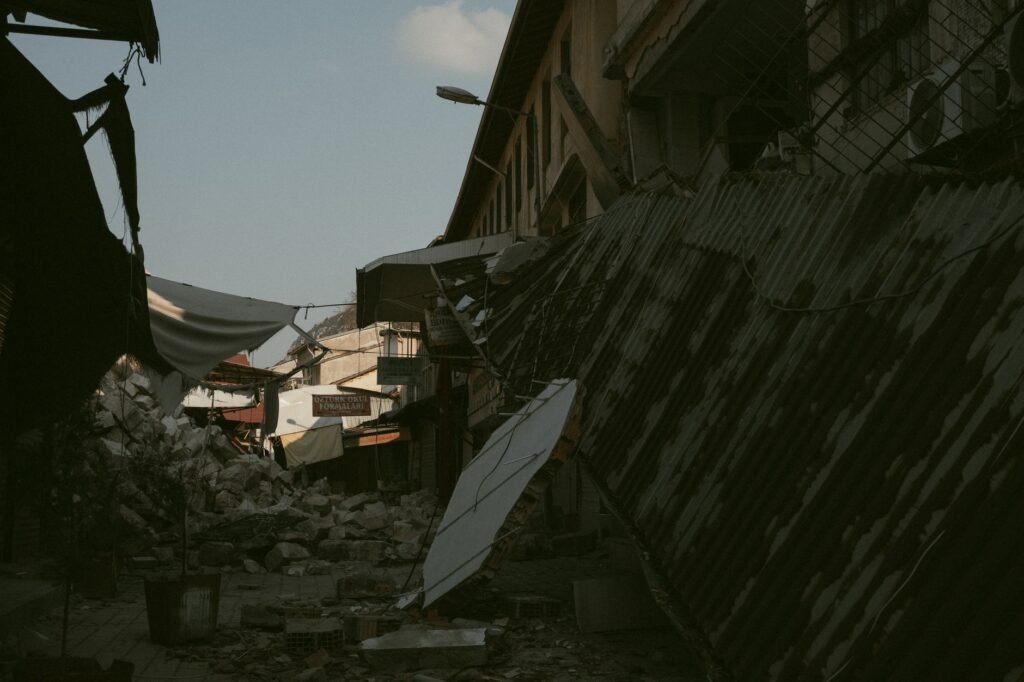
A funeral was held in Gaza for 50 Palestinians whose bodies were recently extricated from the extensive rubble left by the conflict. This event is not merely a local observance of grief; it represents a tangible manifestation of the conflict's lingering physical aftermath, bringing to public attention the ongoing process of discovering and identifying those lost. The recoveries underscore the scale of destruction, where individuals remained buried for an extended period, suggesting the immense challenge of comprehensive search and rescue operations amidst the prevailing conditions.
Why it is contested
The recovery of these bodies immediately injects new data into an already contentious debate surrounding casualty figures and their attribution. The precise number of fatalities in Gaza has been a point of significant dispute, with various international bodies and belligerent parties offering differing tallies and methodologies. Each new discovery, particularly of a significant number of individuals, reopens questions about the completeness of previous assessments, the accuracy of reporting, and the broader narrative framing of civilian harm. The contestation extends beyond mere numbers to the very definition of a 'casualty' and the implied responsibility for their deaths.
The competing narratives
One dominant interpretation frames these recoveries as further evidence of indiscriminate force and widespread devastation, arguing that the prolonged period of burial reflects a profound humanitarian crisis and an inability to conduct timely recovery operations due to the intensity of hostilities. This narrative emphasises the long-term suffering of the civilian population and seeks to hold specific actors accountable for the extensive loss of life and infrastructure. The strongest objection to this reading often centres on the operational complexities of urban warfare, asserting that collateral damage, while tragic, is an unavoidable consequence of military operations conducted in densely populated areas, particularly when combatants operate from within civilian structures. This counter-argument suggests that attributing all civilian deaths solely to one party overlooks the multifaceted nature of conflict dynamics.
An alternative narrative posits that while tragic, these recoveries are a natural, albeit grim, part of post-conflict assessment, and that the numbers, while significant, do not necessarily alter the fundamental understanding of the conflict's character. This view might focus on the challenges inherent in any conflict zone for accurate real-time casualty tracking and suggests that such discoveries, while distressing, are an expected outcome of the gradual clearing of damaged areas. The primary objection to this perspective is that it risks normalising or downplaying the human cost, potentially deflecting from calls for thorough investigation into specific incidents. Critics argue that framing these deaths as merely 'expected' can inadvertently diminish the urgency for accountability and the prevention of future civilian harm, particularly when the sheer volume of destruction is considered.
What to watch next
The immediate focus will be on whether these recoveries prompt a re-evaluation or refinement of official casualty statistics by international bodies and humanitarian organisations. The methodology used to incorporate these newly identified individuals into broader datasets will be critical. Beyond the numbers, observers will be scrutinising the political reactions: will these discoveries lead to renewed international pressure for investigations into specific incidents, or will they be absorbed into the existing, often stalemated, discourse surrounding the conflict? The extent to which these events influence public opinion, both regionally and internationally, will also be a key indicator of their long-term impact on policy and diplomacy.
The bottom line
The funeral for 50 recovered Palestinians in Gaza is more than a solemn ceremony; it is a flashpoint in the ongoing struggle over how the world understands the conflict's human toll. The critical question remains: will these grim discoveries merely reinforce existing narratives, or will they compel a substantive re-engagement with the calculus of conflict, forcing a deeper reckoning with the unquantifiable costs of prolonged devastation?
Source material: Al Jazeera – Breaking News, World News and Video from Al Jazeera