Colombia’s President Espriella and the Seismic Test of New Leadership
Trending Global
The immediate aftermath of a significant earthquake in Bogota offers President Espriella an early, high-stakes leadership test.
What just happened
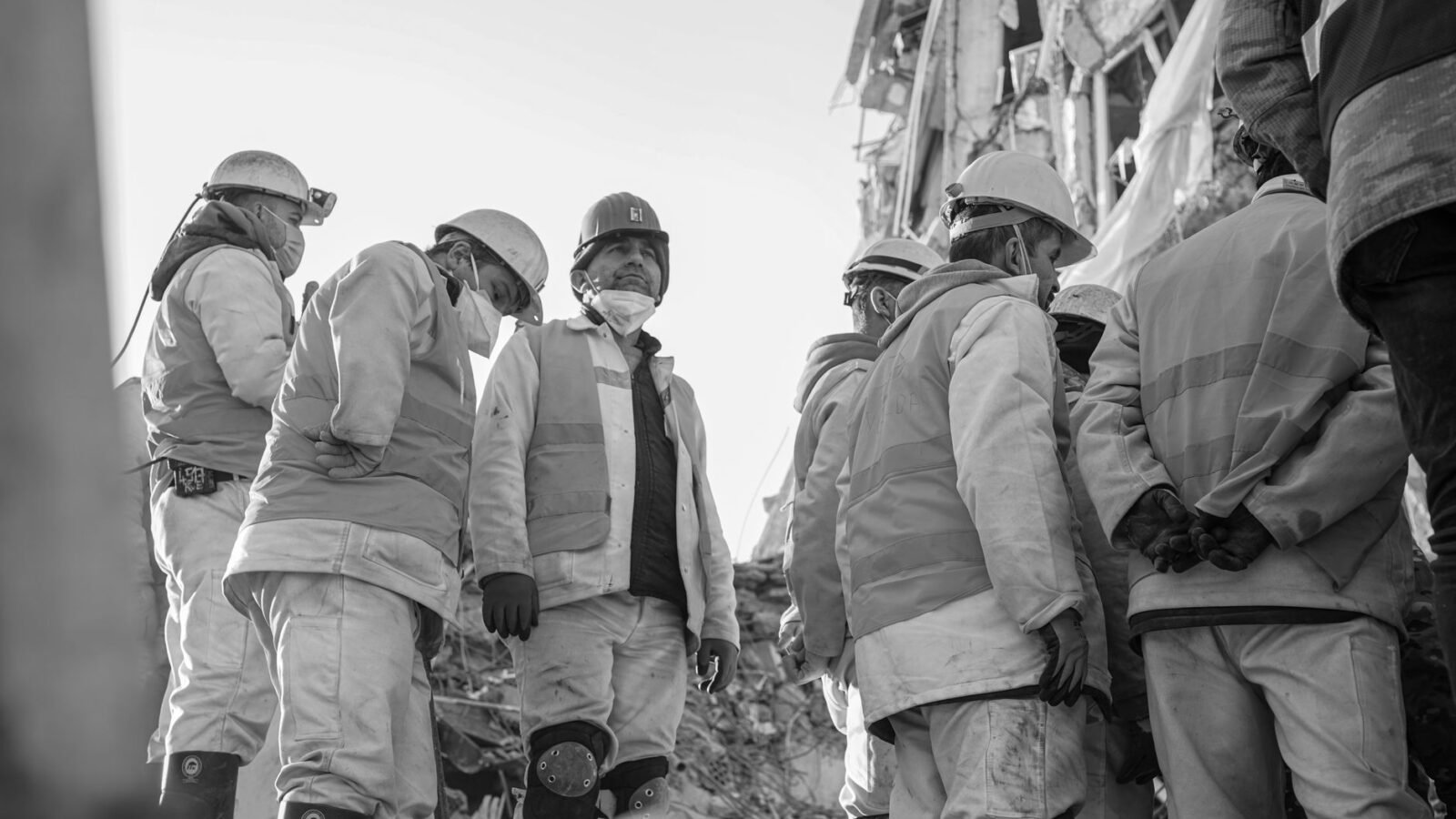
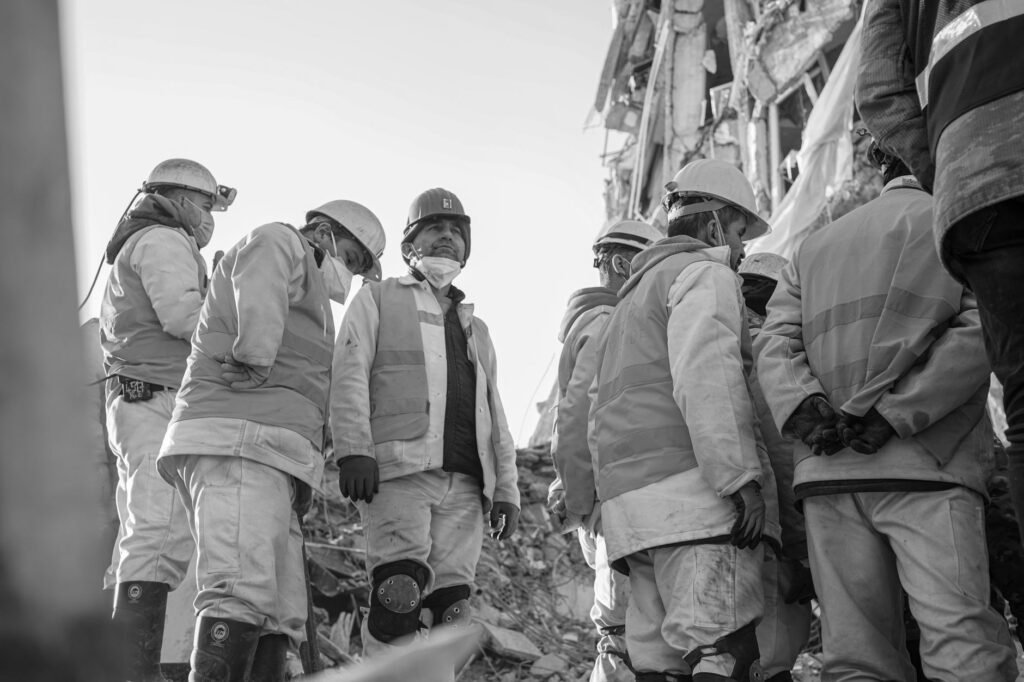
Following a significant earthquake impacting Bogota, Colombia's recently inaugurated President Espriella has announced his direct leadership of emergency rescue operations. This immediate and highly visible engagement places the executive at the forefront of the disaster response, bypassing established protocols that might typically delegate such operational command to local authorities or dedicated emergency management agencies. The president's personal involvement signals a clear intent to project decisive leadership in a moment of national crisis, aiming to reassure a population grappling with the immediate aftermath of seismic activity.
Why it is contested
President Espriella's decision to personally lead the emergency efforts is not merely an act of governance; it is a political statement, and one that carries inherent risks and potential rewards. For a newly installed leader, a major natural disaster presents an immediate and unavoidable crucible. The contestation arises from whether this direct, hands-on approach represents a shrewd consolidation of authority and public trust, or a premature overextension of executive capacity that could backfire if the response falters. Such a move invariably invites scrutiny not just of the relief efforts themselves, but of the underlying political calculus.
The competing narratives
One prevailing interpretation posits that President Espriella's direct assumption of command is a strategic masterstroke, designed to cement his image as a strong, empathetic, and action-oriented leader. In this view, a new president must seize early opportunities to define their mandate, and a national crisis offers an unparalleled stage. By placing himself at the epicentre of the response, he seeks to bypass potential bureaucratic inertia, demonstrate accountability, and forge a direct connection with citizens in distress. The strongest objection to this reading is that it assumes a flawless execution of the relief effort. Any perceived misstep, delay, or failure in coordination, amplified by the president's direct involvement, would not merely be an operational failure but a direct indictment of his personal leadership, potentially undermining his nascent administration at its most vulnerable point.
An alternative narrative suggests that this move is a high-risk gamble, potentially exposing the president to the unpredictable chaos inherent in disaster management. By centralising command at the presidential level, Espriella risks blurring the lines of responsibility and potentially sidelining experienced emergency professionals whose expertise might be more critical in the initial hours. This approach could also divert presidential attention from broader governance priorities just as his administration is finding its footing. The strongest objection to this perspective is that inaction or a perceived lack of direct engagement from the top could be interpreted as detachment or weakness, particularly in a region where strong executive leadership during crises is often expected. The political cost of appearing disengaged might outweigh the operational risks of direct involvement.
What to watch next
The immediate focus will be on the efficacy and speed of the emergency response under President Espriella's direct command. Observers will be looking for clear signs of efficient resource deployment, effective communication with the public, and tangible progress in rescue and recovery efforts. Beyond the immediate crisis, the political implications will unfold over the coming weeks. Will this moment be leveraged to push through urgent legislative priorities, or will it consume political capital that could otherwise be spent on his broader policy agenda? The degree to which the administration can transition from emergency management to a coherent reconstruction plan will also be critical. The long-term impact on public trust and presidential approval ratings will offer a retrospective measure of the success or failure of this high-stakes decision.
The bottom line
President Espriella's decision to personally lead the earthquake response in Bogota has cast his early presidency into an immediate, unforgiving spotlight. It is an act that could either define his administration with a narrative of decisive leadership and empathy, or it could expose it to the inherent unpredictability of natural disaster management, diverting focus and potentially eroding public confidence. The true measure of this gamble will not be in the initial optics, but in the sustained, effective delivery of aid and the subsequent political fallout. Does this crisis represent an opportunity to solidify a new mandate, or a premature test of an administration still finding its footing?
Source material: Al Jazeera – Breaking News, World News and Video from Al Jazeera