Ukraine Strikes Ozon Warehouses: A New Front in Economic Warfare?

Trending Global
Attacks on Ozon facilities across southern Russia raise questions about Kyiv's evolving strategy for internal disruption and Moscow's resilience.
What just happened
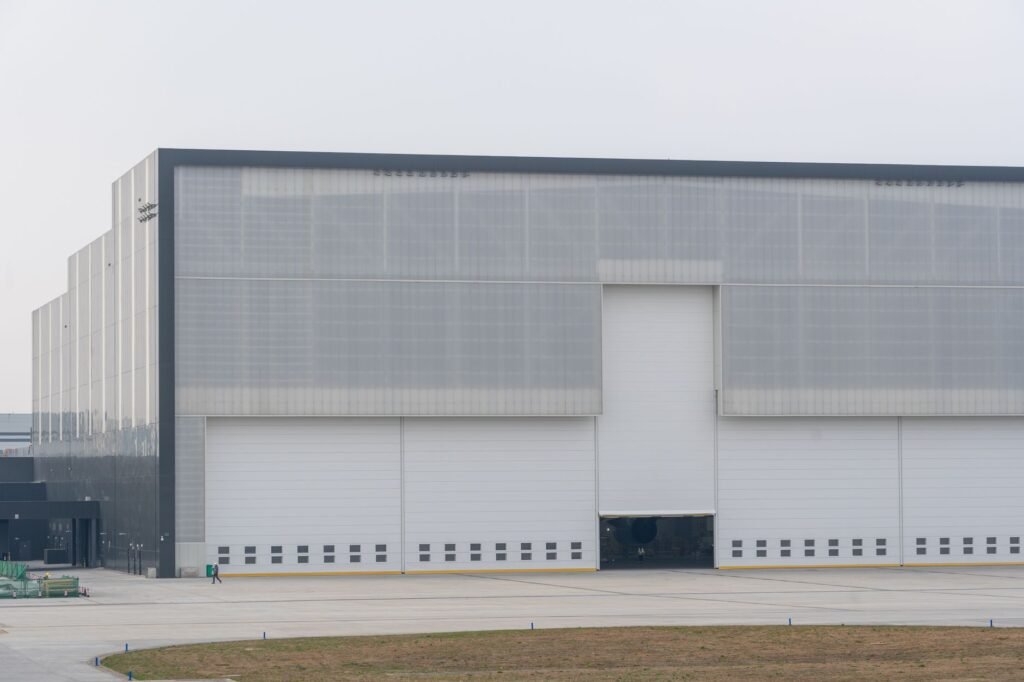
In a notable shift, Ukraine has reportedly targeted warehouses belonging to Ozon, Russia's second-largest online retailer, in overnight strikes across southern Russia. Facilities in regions including Dagestan and Krasnodar were affected. This action represents a departure from the more common targeting of military infrastructure or energy installations, directing attention instead towards civilian-facing economic distribution networks. The strikes underscore an evolving operational calculus by Kyiv, signalling a willingness to extend the theatre of disruption deeper into the Russian domestic economy and potentially impacting consumer goods supply chains.
Why it is contested
The strategic rationale behind these strikes is subject to considerable debate. One interpretation posits that the attacks aim to inflict economic pain and foster internal dissent by disrupting daily life and consumer access. Yet, the immediate material impact of damaging a few warehouses on a national economy the size of Russia's is unlikely to be catastrophic. This leads to a counter-argument: that the primary objective is psychological, demonstrating Kyiv's reach and Moscow's inability to fully protect its civilian infrastructure, thereby eroding public confidence. The efficacy of either objective through such means remains unproven, and the potential for these strikes to galvanise Russian public support for the war, rather than undermine it, cannot be dismissed.
The competing narratives
One dominant narrative suggests these strikes are an attempt to impose a significant economic cost on Russia, forcing a diversion of resources from the war effort towards domestic protection and reconstruction. Proponents of this view argue that sustained pressure on civilian logistics will eventually degrade the broader economic base supporting the conflict. The strongest objection to this reading is that the targeted assets, while significant to consumer convenience, are not critical to the military-industrial complex. Russia's economy has also demonstrated considerable resilience under sanctions, suggesting that isolated damage to commercial warehouses may not translate into strategic economic leverage.
A rival interpretation posits that the attacks are primarily a psychological operation, designed to sow unease and demonstrate Ukraine's capacity to project power beyond the front lines. The aim here would be to erode public morale and challenge the Kremlin's narrative of stability and control. The objection to this is that such actions, while disruptive, might equally be perceived within Russia as acts of aggression against civilians, potentially hardening public resolve and increasing support for retaliatory measures, rather than weakening it. The long-term psychological impact of such strikes, especially if sporadic, is difficult to predict and could easily backfire.
What to watch next
The critical question moving forward is whether these strikes represent an isolated incident or the beginning of a sustained campaign targeting Russia's civilian economic infrastructure. Observing the pattern and frequency of future attacks will be key: a continuous, geographically dispersed campaign would lend credence to the economic disruption hypothesis, while sporadic, high-profile strikes might suggest a more pronounced psychological warfare component. Equally important will be Moscow's response, both in terms of defensive measures and any potential retaliatory actions. The nature of official Russian commentary regarding these incidents will also offer insight into how the Kremlin seeks to frame the narrative domestically and internationally. Furthermore, the reaction of international bodies and allied nations to this apparent expansion of the conflict's scope will be crucial in understanding the broader geopolitical implications.
The bottom line
The targeting of Ozon warehouses marks a notable, if ambiguous, development in the conflict. It compels a re-evaluation of Ukraine's strategic calculus and the potential for non-military infrastructure to become a more frequent target. The immediate economic impact is likely limited, but the long-term psychological and strategic ramifications remain to be seen. Does this signal a new phase of economic attrition, or is it primarily a message of defiance and capability? The answer will shape not only the conflict's trajectory but also international perceptions of its evolving nature.
Source material: BBC News