Indonesia Earthquake: Beyond the Immediate Aftermath in Flores
Trending Global
A 7.7-magnitude earthquake off Flores, Indonesia, prompts immediate search and rescue, but its long-term implications for the region remain open to interpretation.
What just happened
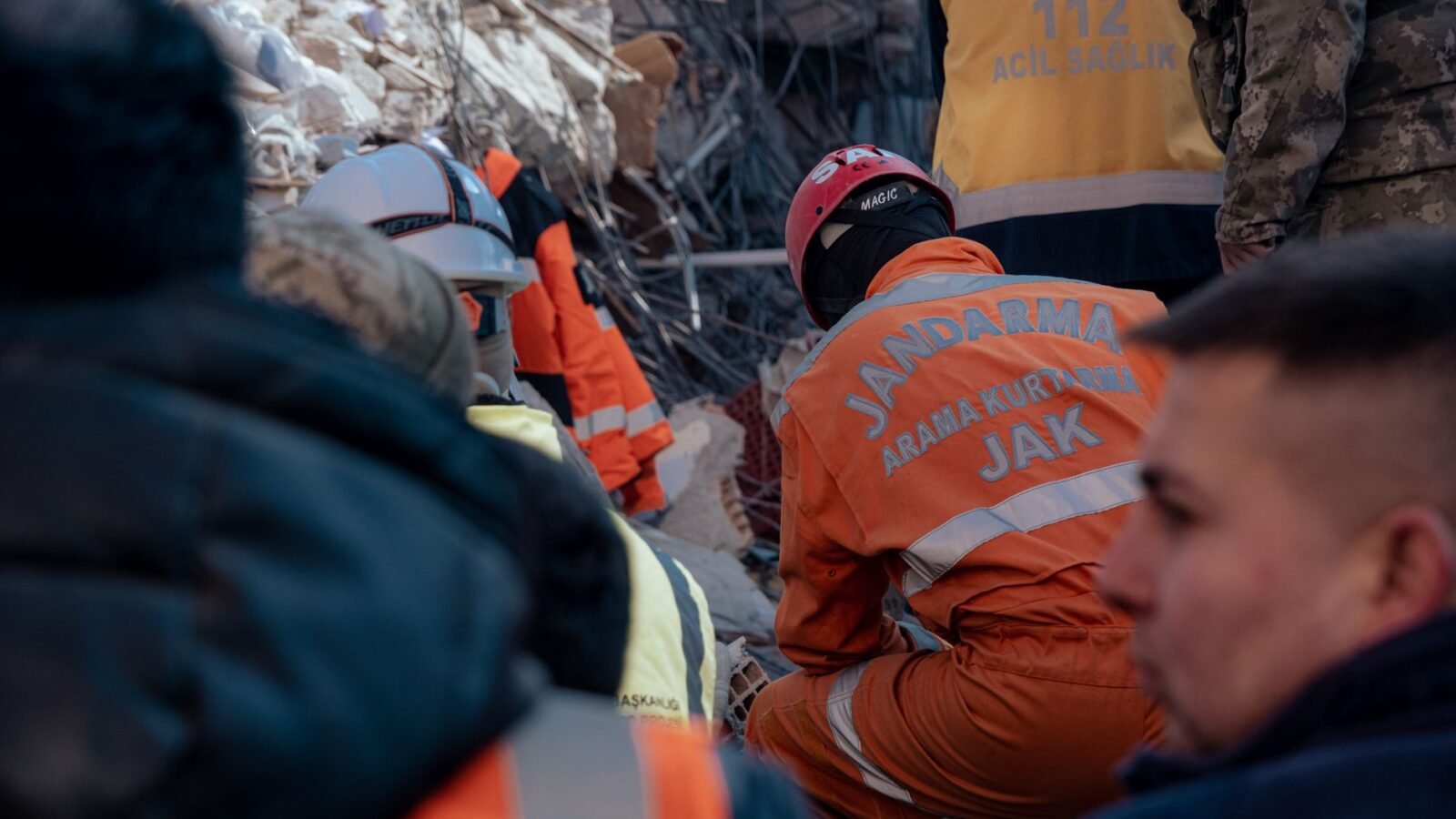
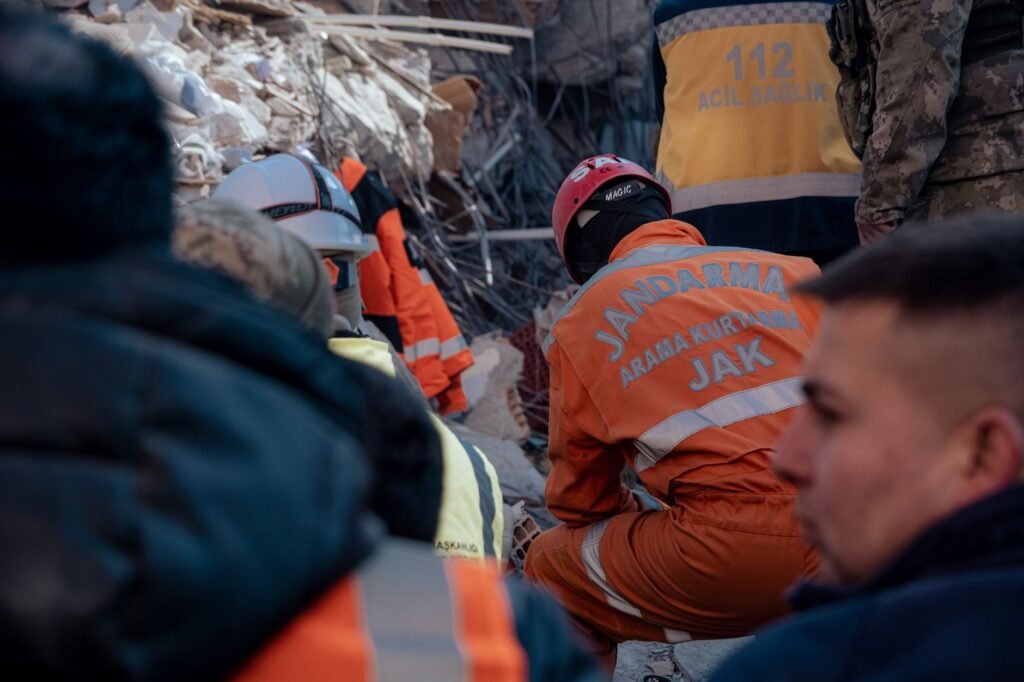
A 7.7-magnitude earthquake has occurred off the coast of Flores, an island in eastern Indonesia, resulting in at least 38 reported fatalities. Search and rescue operations are currently underway across the affected areas, focusing on locating survivors amidst potential structural damage. The seismic event underscores the persistent geological volatility of the Indonesian archipelago, situated within the Pacific Ring of Fire, a zone prone to frequent and powerful earthquakes and volcanic activity.
Why it is contested
The immediate aftermath of such an event typically focuses on humanitarian response, yet the broader implications for Indonesia's evolving disaster management capabilities are becoming a point of contention. While the official narrative often highlights improvements in early warning systems and coordinated relief efforts, critics question the practical efficacy of these systems, particularly in remote or less developed regions. The debate centres on whether the current incident represents an unavoidable natural catastrophe managed with growing competence, or if it exposes persistent vulnerabilities in infrastructure and rapid deployment that belie official assurances. The scale of the immediate damage and the speed of the recovery process will serve as critical indicators, but the underlying capacity for sustained, equitable reconstruction remains a subject of live debate among policy analysts and regional experts.
The competing narratives
One prevailing narrative posits that Indonesia has made demonstrable strides in its disaster preparedness and response mechanisms. Proponents of this view point to increased investment in seismological monitoring, the establishment of dedicated disaster relief agencies, and the development of national contingency plans over the past two decades. They argue that while the sheer power of a 7.7-magnitude earthquake will inevitably cause devastation, the comparatively low initial fatality count relative to past events of similar magnitude could indicate more effective early warning dissemination and improved public awareness campaigns, leading to faster evacuations and safer practices. The strongest objection to this reading is that initial casualty figures are often incomplete and subject to revision, particularly in geographically challenging regions where access is difficult. Furthermore, the effectiveness of any national system is ultimately determined by its weakest link, often at the local implementation level, which may not always align with central government directives or resource allocation.
Conversely, a rival interpretation suggests that despite official rhetoric and some structural improvements, Indonesia's disaster resilience remains fundamentally challenged, especially in its eastern provinces. This perspective highlights the persistent disparities in infrastructure development, healthcare access, and communication networks between the more developed western islands and the remoter eastern regions like Flores. Critics contend that while central policies may exist on paper, their execution is frequently hampered by bureaucratic inefficiencies, corruption, and a lack of consistent funding at the provincial and district levels. They would argue that any perceived success in disaster response may be more attributable to the resilience of local communities and informal networks than to state-led interventions. The primary counter-argument here is that such a position risks overlooking genuine, if incremental, progress in state capacity building and underestimating the logistical complexities inherent in managing a vast, archipelagic nation. It also risks attributing all shortcomings to systemic failure, rather than acknowledging the inherent unpredictability and destructive power of extreme natural events.
What to watch next
The immediate focus will remain on the search and rescue efforts, with particular attention to the identification and recovery of those still missing. Beyond this, observers will be scrutinising the speed and efficacy of the government's humanitarian aid distribution, the provision of temporary shelter, and the initial damage assessments. The deployment of resources to Flores will be a critical indicator: does it reflect a truly national response capability, or will it expose the perennial challenges of reaching remote islands? The long-term implications, however, extend to the political and economic spheres. How will reconstruction efforts be funded, and will they be transparent? The political capital invested in disaster preparedness will now be tested in the public eye, potentially influencing regional trust in central government initiatives.
The bottom line
The earthquake in Flores presents more than just a humanitarian crisis; it is a critical test of Indonesia's state capacity and its commitment to equitable development across its vast territory. While the immediate focus is on saving lives, the deeper question remains: does this event confirm a narrative of improving national resilience, or does it expose the enduring vulnerabilities that disproportionately affect its less developed regions? The coming weeks will reveal not just the scale of the damage, but the true operational reach of the Indonesian state.
Source material: BBC News